Learn how Speech Therapy helps children improve communication, speech clarity and confidence. Explore child-focused support in Wakad, Pune. Every child learns to speak and communicate at their own pace. Some children start talking early, while others may take a little longer to express their thoughts, pronounce words clearly or interact confidently with others.
If you have noticed that your child is having difficulty communicating, you may be wondering whether they need additional support. Speech therapy for kids can help children develop communication skills through age-appropriate activities, interaction and guided practice.
Table of Contents
At Kiddonia Preschool in Wakad, Pune, we understand that communication is an important part of a child’s overall development. A supportive environment can help children feel comfortable while they learn, express themselves and interact with others.
What Is Speech Therapy for Kids?
Speech therapy is a specialised form of support that focuses on a child’s speech, language and communication development.
Depending on the child’s individual needs, speech and language support may focus on:
- Pronouncing sounds and words more clearly
- Developing vocabulary
- Forming words and sentences
- Understanding and following instructions
- Expressing thoughts, needs and emotions
- Developing conversation skills
- Improving social communication
- Building confidence while communicating
The purpose is not simply to encourage a child to speak more. It is about helping them communicate in a way that is comfortable and meaningful for them.
How Do You Know If Your Child May Need Speech Support?
Children develop differently, so occasional difficulty with speech does not necessarily mean that a child needs therapy. However, parents may want to seek professional guidance if they notice ongoing communication difficulties.
Some signs may include:
- Speech that is difficult for others to understand
- Difficulty pronouncing certain sounds
- Limited use of words
- Difficulty putting words together into sentences
- Trouble understanding simple instructions
- Difficulty expressing wants or feelings
- Frustration when trying to communicate
- Difficulty participating in conversations or group activities
If you are concerned about your child’s development, speaking with a qualified professional can help you understand whether additional support may be appropriate.
How Can Speech Therapy Help Children?
Every child’s needs are different. Speech and language support can therefore be planned around the child’s age, abilities and communication goals.
1. Improving Speech Clarity
Some children find particular sounds difficult to pronounce. Age-appropriate practice can help children work towards clearer speech.
2. Developing Vocabulary
Children learn language through everyday conversations, stories, play and experiences. Interactive activities can encourage children to understand and use new words.
3. Building Sentence Skills
Children may need support moving from individual words to phrases and sentences. Activities can encourage them to communicate their thoughts more clearly.
4. Supporting Social Communication
Communication is not only about speaking. Listening, taking turns, responding to others and participating in conversations are also important skills.
5. Encouraging Confidence
When children are able to communicate more comfortably, they may feel more confident participating in classroom activities, play and everyday conversations.
Why Early Speech and Language Support Can Be Helpful
The preschool years are an important period for communication development. Children are constantly learning new words, understanding conversations and developing ways to interact with people around them.
Identifying communication difficulties early can help parents understand their child’s needs and explore suitable support when required.
Early support does not mean putting pressure on a child. It means giving them appropriate opportunities and guidance based on their individual development.
Speech Therapy in Wakad, Pune
Parents searching for speech therapy in Wakad, Pune often look for a safe and comfortable environment where their child can learn without feeling pressured. Searching for speech delay treatment in Wakad, Pune? Parents choose us for a safe, comfortable space where children build communication skills without pressure.
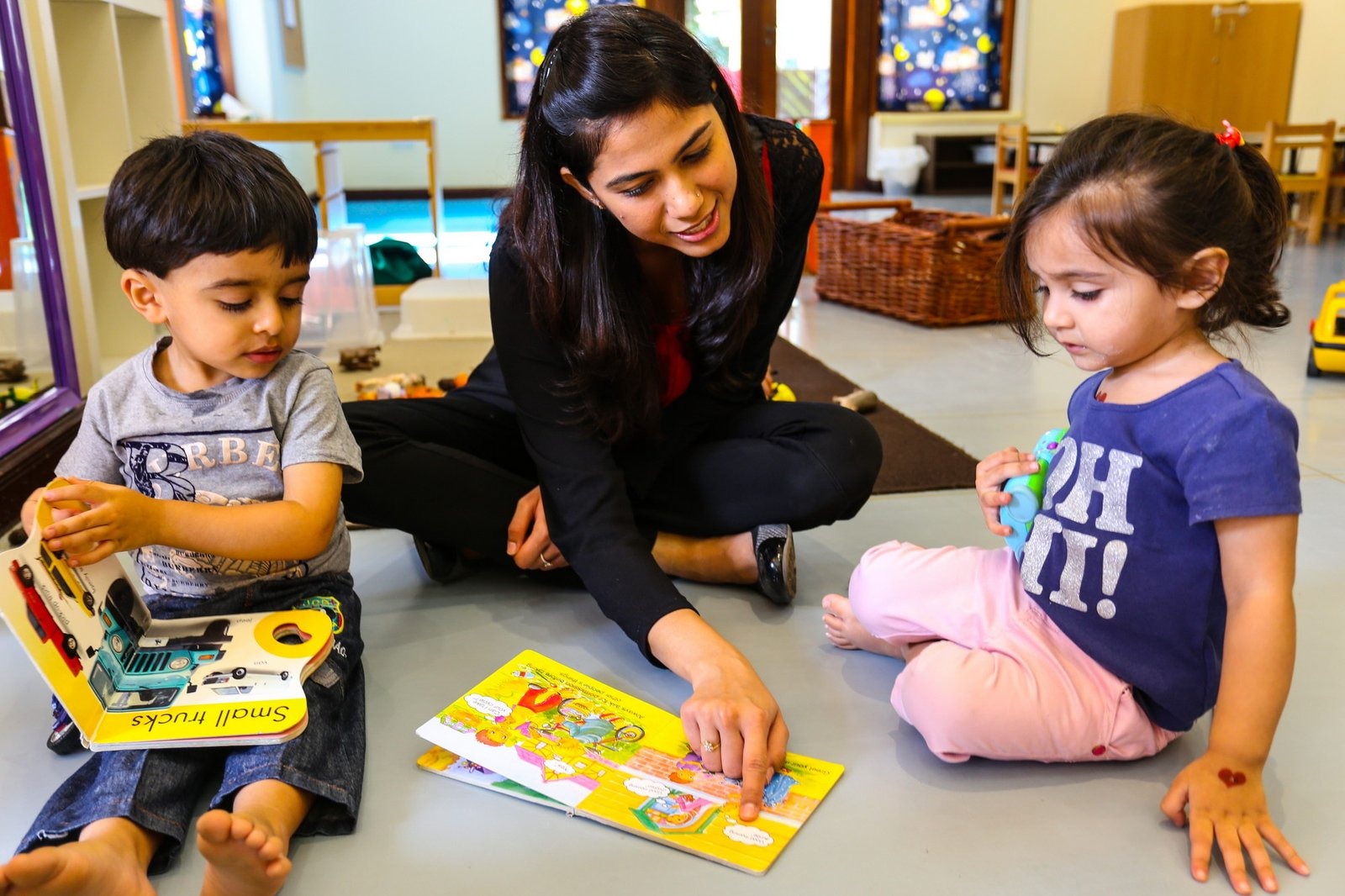
At Kiddonia Preschool, children are encouraged to learn through interaction, play and age-appropriate activities. Our child-focused approach recognises that every child has different strengths, learning styles and developmental needs.
Communication can also be encouraged naturally through classroom conversations, storytelling, songs, group activities and play.
How Parents Can Encourage Speech Development at Home
Parents play an important role in supporting communication development. Simple everyday activities can create more opportunities for children to listen and communicate.
Try to:
- Talk with your child during everyday activities.
- Read picture books together.
- Ask simple questions and give your child enough time to answer.
- Encourage your child to describe pictures, toys or experiences.
- Sing songs and nursery rhymes together.
- Introduce new words naturally during conversations.
- Listen patiently when your child is trying to communicate.
- Encourage communication instead of putting pressure on your child to speak perfectly.
Most importantly, make communication enjoyable. A relaxed conversation during play or story time can be just as valuable as a structured learning activity.
Speech Development Is More Than Just Speaking
Communication helps children do much more than say words. It allows them to express their needs, share feelings, build friendships, participate in learning and become more independent.
That is why speech and language development should be considered as part of a child’s overall development rather than as an isolated skill.
Conclusion
Every child has their own way and pace of learning to communicate. Some children may need more time and encouragement, while others may benefit from additional professional support.
The important thing is to understand the child’s individual needs and provide a positive environment where they feel comfortable expressing themselves.
At Kiddonia Preschool in Wakad, Pune, we believe children learn best when they feel safe, encouraged and understood. Through meaningful interaction, play and age-appropriate learning experiences, children can get more opportunities to develop their communication skills.
If you have concerns about your child’s speech or communication development, taking an early step to understand their needs can be helpful.
Frequently Asked Questions
1. What is speech therapy for children?
Speech therapy for children provides specialised support for speech, language and communication difficulties. It may focus on pronunciation, vocabulary, sentence formation, understanding language and social communication.
2. When should parents consider speech therapy for their child?
If a child consistently has difficulty communicating, speaking clearly, understanding language or expressing their needs, parents can consider discussing their concerns with a qualified speech and language professional.
3. Can speech therapy improve a child’s speech clarity?
Speech therapy may help children work on specific speech sounds and communication skills based on their individual needs and professional assessment.
4. Is speech therapy suitable for preschool children?
Yes. Speech and language activities can be adapted according to a preschool child’s age, developmental level and individual communication needs.
5. How can parents support speech development at home?
Talking regularly, reading together, singing rhymes, asking questions, listening patiently and encouraging everyday conversations can provide useful opportunities for communication development.
6. Where can I find child development support in Wakad, Pune?
Parents looking for child-focused developmental support in Wakad, Pune can connect with Kiddonia Preschool to understand the available support and discuss their child’s individual needs.