
Register Now!

    Child Development Support in Wakad, Pune

    Child Therapy Services in Wakad, Pune

    Every child is unique. At Kiddonia Preschool, we provide child-focused therapy and developmental support for children who may need additional help with communication, behaviour, sensory development, motor skills, learning or everyday activities.

    Our approach is centred around the child's individual strengths and needs, creating a caring environment where children can feel comfortable while developing meaningful skills, confidence and independence.

    • ABA Therapy
    • Occupational Therapy
    • Speech Therapy
    • Assessments
    • QABA Support
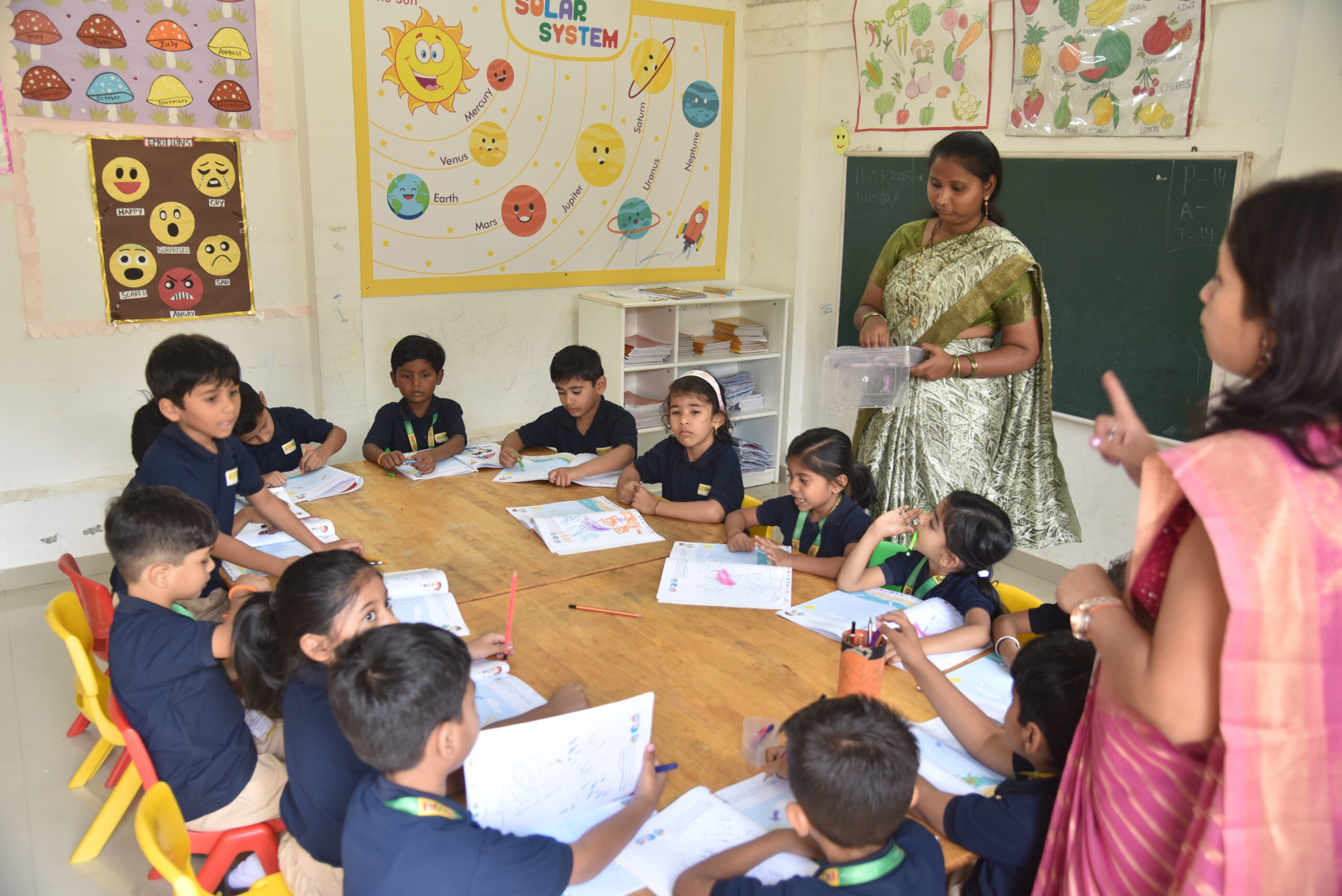
    Children participating in learning activities at Kiddonia Preschool
    Young child in a supportive learning environment
    Every Child Is Different Developmental goals should reflect each child's strengths, needs and individual pace.
    Service 01

    Applied Behavior Analysis (ABA) & Positive Behaviour Support

    Individual Goals

    Applied Behavior Analysis, or ABA, is an evidence-based approach that looks at how children learn and respond to different situations.

    ABA-based intervention can support skills such as communication, social interaction, learning, independence and positive behaviour. Goals should be planned according to the child's current abilities and individual needs.

    Support may also focus on understanding why a behaviour occurs, teaching useful alternatives and helping the child develop skills that can be used naturally at home, during learning activities and in social situations.

    Areas That May Be Supported

    • Communication
    • Social Interaction
    • Learning & Participation
    • Positive Behaviour
    • Daily Routines
    • Independence
    • Attention
    • Engagement

    Supporting Everyday Skills, Communication & Independence

    Different areas of development may require different kinds of support. Therapy should focus on skills that are meaningful in the child's everyday life.

    Service 02

    Occupational Therapy

    Helping Children Become More Comfortable and Independent in Daily Activities

    Occupational Therapy can help children develop the physical, sensory and functional skills they use during everyday activities.

    Depending on the child's needs, therapy may focus on coordination, fine motor development, sensory processing, self-care and participation in classroom or daily routines.

    Occupational therapy should be individualised around the child's functional needs rather than using the same activity plan for every child.

    • Fine Motor Skills
    • Hand-Eye Coordination
    • Sensory Processing
    • Motor Planning
    • Balance & Coordination
    • Self-Care Activities
    • Classroom Participation
    • Functional Skills
    Service 03

    Speech & Oral Placement Therapy

    Helping Children Express, Communicate and Connect

    Being able to communicate is an important part of a child's learning and social development.

    Speech and Oral Placement Therapy can support children who experience difficulties related to speech, communication or oral motor skills.

    Sessions should be planned around the child's current abilities and specific communication goals.

    • Speech Development
    • Functional Communication
    • Speech Sounds
    • Oral Motor Skills
    • Expressive Language
    • Receptive Language
    • Social Communication
    • Communication Confidence

    Every Child Needs an Individual Approach

    Two children may experience similar difficulties but require different support. The most appropriate therapy plan depends on the child's age, developmental profile, current abilities, everyday environment and individual needs.

    Assessments & Structured Behavioural Support

    Understanding a child's current strengths and developmental needs can help families and professionals plan appropriate support more clearly.

    Service 04

    Psychological & Developmental Assessments

    Getting a Clearer Picture of Your Child's Development

    When parents have concerns about a child's learning, behaviour, attention or overall development, an appropriate assessment can provide useful information about the child's current strengths and needs.

    Assessment information can help parents and professionals make more informed decisions about educational or therapeutic support.

    • Cognitive Abilities
    • Learning Skills
    • Attention
    • Behaviour Patterns
    • Emotional Development
    • Social Development
    • Developmental Skills
    • Support Needs
    Service 05

    QABA

    Supporting Quality in Behavioural Intervention

    QABA-related support is connected with structured, evidence-based behavioral intervention and professional standards in the field of Applied Behavior Analysis.

    Where applicable, services at Kiddonia can be planned around individual developmental goals and the child's specific areas of need.

    Our Focus

    • Child-Specific Goals
    • Structured Intervention
    • Skill Development
    • Behavioural Support
    • Progress Tracking
    • Parent Participation

    Which Service May Be Right for My Child?

    Parents often know that their child needs some additional support but may not know which service would be appropriate. This guide explains where different services may fit.

    Difficulty speaking or expressing needs
    Speech Therapy
    Speech sound concerns
    Speech & Oral Placement Therapy
    Sensory-related difficulties
    Occupational Therapy
    Difficulty with fine motor activities
    Occupational Therapy
    Behavioural challenges
    ABA / Behavioural Support
    Difficulty with social interaction
    ABA / Speech Support
    Developmental concerns
    Developmental Assessment
    Learning-related concerns
    Psychological Assessment
    Difficulty with everyday activities
    Occupational Therapy
    Communication and participation concerns
    Speech / ABA Support
    Important: This guide is for general understanding only. The most appropriate support depends on the child's age, abilities, developmental profile and individual concerns. A professional consultation or suitable assessment can help determine the appropriate next step.

    How Our Child Therapy Support Works

    At Kiddonia, children are supported through a structured process that considers their individual strengths, needs and developmental goals.

    A Simple, Child-Focused Approach

    Therapy planning begins with understanding the child and progresses through meaningful goals, intervention and regular review.

    01

    Initial Discussion

    We begin by listening to parents and understanding their concerns.

    02

    Understanding the Child

    Existing skills, strengths and areas requiring support are considered.

    03

    Assessment, When Required

    Relevant assessments may be recommended where appropriate.

    04

    Setting Developmental Goals

    Goals are planned around practical, meaningful and age-appropriate skills.

    05

    Therapy & Skill Building

    Structured and engaging activities are used to work towards relevant skills.

    06

    Reviewing Progress

    Goals can be reviewed and updated as the child's abilities and needs change.

    07

    Parent Guidance

    Families can receive guidance for supporting appropriate skills beyond therapy sessions.

    Why Choose Kiddonia for Child Development Support?

    A caring environment where children can learn at their own pace while developmental and everyday skills are supported together.

    Child-Friendly Setting

    Children are encouraged to feel comfortable, welcomed and involved in activities.

    Individual Attention

    Support is planned around each child's individual strengths, needs and learning style.

    Focus on Overall Development

    Communication, social interaction, behaviour, motor skills, learning and independence are considered together.

    Parent Partnership

    Parent communication can support better consistency between therapy and everyday routines.

    Engaging Activities

    Age-appropriate and meaningful activities can make developmental learning more engaging.

    Connection With Early Learning

    Developmental support can connect naturally with a child's wider early learning environment.

    Parents Play an Important Role

    Children spend much of their time with their families, making parents an important part of the developmental process.

    Parent Guidance Understand your child's developmental goals and the ways you can support them.
    Home Practice Where appropriate, simple activities and strategies can be continued at home.
    Regular Communication Keeping parents informed helps everyone work towards consistent developmental goals.

    Who May Benefit From Child Therapy Services?

    Child therapy or developmental support may be considered when parents notice ongoing concerns involving communication, behaviour, learning, sensory processing, motor skills or everyday independence.

    Speech and language difficulties
    Communication challenges
    Developmental delays
    Behavioural difficulties
    Sensory processing concerns
    Fine or gross motor difficulties
    Social communication challenges
    Difficulty with self-care activities
    Learning-related concerns
    Attention and participation difficulties
    Challenges with everyday routines
    Difficulty building independence

    A Place Where Every Child Can Feel Supported

    Every child has their own strengths, interests and pace of development. At Kiddonia Preschool, we aim to provide a supportive space where children can develop important skills while feeling comfortable and encouraged. Whether your concern relates to speech, communication, behaviour, sensory processing, motor development, learning or overall development, our team can help you understand the available support and the next appropriate step.

    Book an Appointment

    Child Therapy Services at Kiddonia

    What child therapy services are available at Kiddonia?

    Kiddonia provides child-focused support services including ABA, occupational therapy, speech and oral placement therapy, psychological or developmental assessments and QABA-related support, depending on availability and professional provision.

    How can I find out which therapy is suitable for my child?

    The appropriate service depends on your child's individual concerns and developmental needs. A consultation or suitable assessment can help identify the appropriate next step.

    Does my child need an assessment before starting therapy?

    This depends on the service and the child's individual situation. In some cases, an assessment may be recommended before developing therapy goals.

    Can a child receive more than one type of therapy?

    Yes. Depending on individual needs, children may benefit from support in more than one developmental area. The appropriate combination should be determined by qualified professionals.

    How long does child therapy continue?

    There is no single duration that works for every child. Therapy duration depends on the child's goals, needs, progress and professional recommendations.

    Are parents involved in therapy?

    Parent involvement can be an important part of the child's developmental journey. Parents may receive guidance on ways to support appropriate skills and routines at home.

    Can parents visit Kiddonia before enrolling their child?

    Parents can contact Kiddonia to discuss available services and enquire about arranging a visit or consultation.

    Can I discuss my child's concerns before choosing a therapy?

    Yes. Parents can first discuss the areas they are concerned about so the available services and appropriate next steps can be explained more clearly.

    Need Help Understanding the Right Next Step?

    Contact Kiddonia Preschool to discuss child therapy, developmental support or assessment services available in Wakad, Pune.