Learn how Behavioral Therapy may support communication, emotional regulation, social skills and daily routines in children in Wakad, Pune. Every child communicates in their own way. Sometimes, children may find it difficult to manage emotions, follow routines, communicate their needs or adjust to changes in their environment. For parents, understanding these behaviors can be challenging, especially when they happen frequently or affect everyday activities.
Behavioral therapy for children can provide structured, child-focused support to help children learn appropriate ways to communicate, respond to situations and participate in daily routines.
Table of Contents
At Kiddonia Preschool in Wakad, Pune, we understand that behavior is often connected to a child’s individual needs, communication abilities, environment and stage of development. A supportive approach can help children learn new skills without making them feel pressured or judged.
What Is Behavioral Therapy for Children?
Behavioral therapy is an approach that focuses on understanding behaviors and helping children develop useful skills through structured, age-appropriate strategies.
Depending on the child’s individual needs, support may focus on:
- Following simple instructions
- Communicating needs appropriately
- Managing emotions
- Developing social skills
- Improving attention during activities
- Following daily routines
- Learning new behaviors
- Reducing behaviors that interfere with learning or participation
The specific approach should always be based on an individual assessment by an appropriately qualified professional.
When Might a Child Benefit From Behavioral Support?
Children can have difficult days and challenging behaviors. Occasional tantrums, frustration or difficulty following instructions are part of growing up.
Parents may consider seeking professional guidance when certain behaviors happen frequently, are difficult to manage or significantly affect the child’s everyday participation.
Some areas parents may notice include:
- Frequent or intense tantrums
- Difficulty following age-appropriate routines
- Difficulty transitioning from one activity to another
- Challenges with waiting or taking turns
- Difficulty communicating wants and needs
- Difficulty participating in group activities
- Frequent frustration during everyday tasks
- Difficulty managing changes in routine
- Behaviors that interfere with learning or social interaction
These signs do not automatically mean that a child requires behavioral therapy. Understanding the reason behind the behavior is an important first step.
Why Understanding the Reason Behind Behavior Matters
A child’s behavior often communicates something.
For example, a child may become upset because they cannot express what they want, find an activity difficult, feel overwhelmed by a change or do not understand what is expected of them.
Instead of looking only at the behavior, professionals may consider what happened before the behavior, what the child was trying to communicate and what happened afterward.
Understanding these patterns can help identify more appropriate ways to support the child.
How Can Behavioral Therapy Support Children?
The goals of behavioral support vary from child to child.
1. Developing Communication Skills
Children may sometimes use behavior to express needs when they do not yet have the communication skills to explain what they want.
Supporting communication can give children more appropriate ways to express themselves.
2. Building Social Skills
Children gradually learn skills such as sharing, taking turns, listening, responding to others and participating in group activities.
Structured activities can provide opportunities to practise these skills.
3. Supporting Emotional Regulation
Children are still learning how to recognise and manage emotions.
Age-appropriate strategies can help children learn ways to respond when they feel frustrated, disappointed or overwhelmed.
4. Supporting Daily Routines
Consistent routines can help children understand what is expected and what comes next.
Behavioral strategies may support children in participating more independently in everyday routines.
5. Encouraging Positive Participation
The goal is not simply to stop a particular behavior. It is also to teach children useful skills that help them participate in learning, play, communication and everyday activities.
Behavioral Therapy and Preschool Development
Preschool is an important environment for developing social, emotional and communication skills.
Children learn to interact with teachers and classmates, follow routines, participate in activities and manage transitions throughout the day.
A supportive preschool environment can complement professional behavioral intervention by providing regular opportunities to practise these skills naturally.
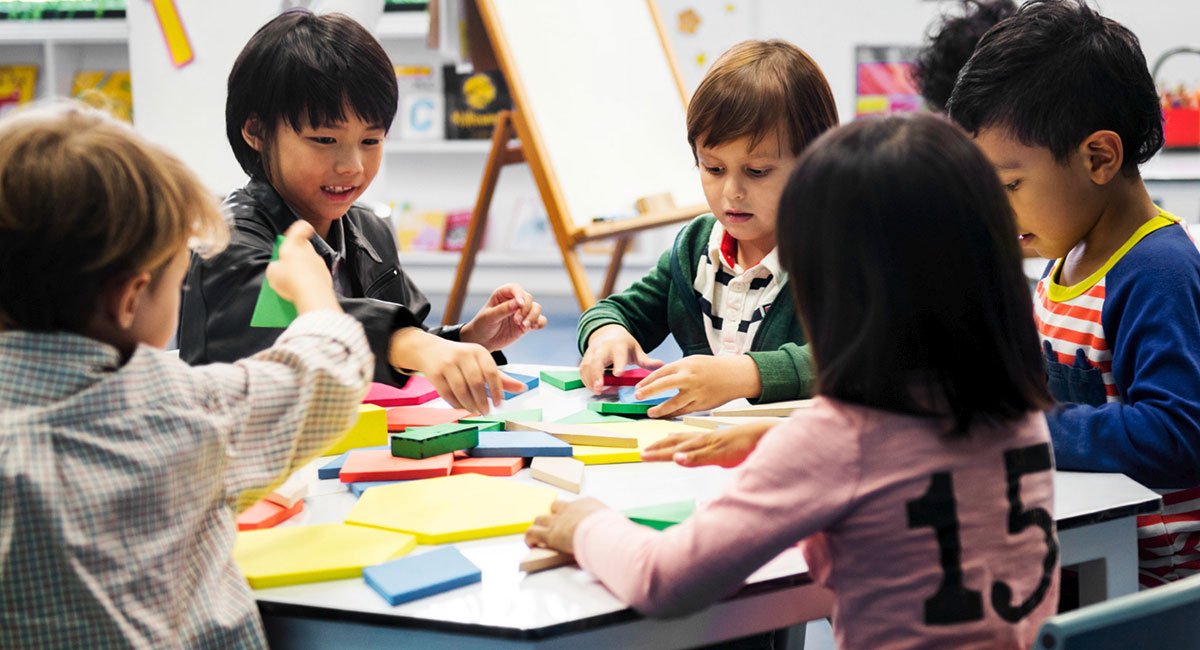
At Kiddonia Preschool, activities such as group play, storytelling, classroom routines and interactive learning can encourage children to develop social and communication skills in an age-appropriate environment.
How Parents Can Support Positive Behavior at Home
Parents can use simple, consistent strategies to support their child’s development.
Keep Expectations Clear
Use short and simple instructions that your child can understand.
Follow Predictable Routines
Regular routines can help children know what to expect during the day.
Notice Positive Behavior
When your child follows an instruction, communicates appropriately or completes a task, acknowledge the effort.
Give Choices
Offering two appropriate choices can help children feel involved while keeping expectations clear.
Stay Consistent
Children often respond better when parents and caregivers use similar expectations and responses.
Stay Patient
Behavior change takes time. Try to understand what your child is communicating rather than focusing only on stopping the behavior.
Behavioral Therapy for Kids in Wakad, Pune
Parents searching for behavioral therapy for kids in Wakad, Pune may be looking for support that understands their child’s individual needs rather than simply focusing on challenging behaviors.
At Kiddonia Preschool, Wakad, we believe children learn best in an environment where they feel safe, respected and encouraged.
Our child-focused approach supports learning through play, interaction, routines and age-appropriate activities. When a child requires specialised behavioral support, parents can discuss their concerns with an appropriately qualified professional to understand the most suitable approach.
Every Child Needs an Individual Approach
There is no single behavioral strategy that works for every child.
One child may need support with communication, while another may need help with transitions, social interaction or emotional regulation.
This is why understanding the child’s individual strengths, needs and environment is important when planning behavioral support.
The goal should be to help children develop useful skills that improve their participation and everyday experiences.
Conclusion
Children’s behavior is often connected to how they communicate, understand their surroundings and manage everyday experiences. When challenging behaviors happen regularly or interfere with learning and participation, understanding the reason behind them can be more helpful than simply trying to stop them.
Behavioral therapy for children can provide structured support based on a child’s individual needs and help develop skills related to communication, social interaction, routines and emotional regulation.
At Kiddonia Preschool in Wakad, Pune, we believe every child deserves patience, understanding and opportunities to learn in a supportive environment.
If you have concerns about your child’s behavior or everyday participation, speaking with an appropriately qualified professional can help you understand the next appropriate step.
Frequently Asked Questions
1. What is behavioral therapy for children?
Behavioral therapy is an approach that helps children develop useful behaviors and skills through structured, age-appropriate strategies based on their individual needs.
2. What behaviors can behavioral therapy support?
Depending on the child’s needs, support may focus on communication, social interaction, emotional regulation, following routines, attention and participation in everyday activities.
3. Does behavioral therapy mean punishing a child?
No. Appropriate child-focused behavioral support is not about punishment. It focuses on understanding behavior, teaching useful skills and encouraging positive ways of responding.
4. Can behavioral therapy help with tantrums?
Behavioral support may help parents and professionals understand patterns around frequent or intense tantrums and teach children more appropriate ways to communicate and manage situations.
5. Can parents support behavioral development at home?
Yes. Clear expectations, consistent routines, positive encouragement, simple choices and patient communication can support a child’s development at home.
6. Is behavioral therapy suitable for every child?
Not every child needs behavioral therapy. A qualified professional should assess the child’s individual needs and determine whether behavioral support is appropriate.
7. Where can parents find child development support in Wakad, Pune?
Parents looking for child-focused developmental support in Wakad, Pune can connect with Kiddonia Preschool to understand the available support and discuss their child’s individual developmental needs.