
Is your Child Cries before school every morning? Learn practical ways to manage preschool separation anxiety, school refusal and preschool adjustment.
Every morning, you hope your child will get ready for school without a fuss. But instead, the moment you mention school, the tears begin. “I don’t want to go,” your child says, holding onto you a little tighter. You may wonder whether they are scared, unhappy, or simply not ready to be away from you yet. For a young child, starting preschool is a big change, and crying can sometimes be their way of saying, “I need a little more time to feel comfortable.” Understanding what is behind those tears can make school mornings easier for both you and your child.
Table of Contents
It starts before you even leave the house.
You say, “Come on, it’s time for school,” and your child immediately says no. Then come the tears, the clinging, the refusal to get dressed, or maybe a very serious negotiation about why they absolutely cannot go today.
By the time you reach the school gate, you may be feeling tired, frustrated and guilty all at once.
You might even find yourself thinking, “Why is my child crying every morning? Are they unhappy at school? Should I stop sending them for a while?”
If this is happening in your home, take a breath. Your child’s tears do not automatically mean that they dislike school or that you are doing something wrong.
For a young child, going to preschool can mean leaving the safest and most familiar person in their world for several hours. Even when they know you are coming back, the actual moment of saying goodbye can still feel very big.
The good news is that there are simple things parents can do to make this transition easier.
Why Does My Child Cry Before School?
There isn’t always one clear reason.
One child may cry because they don’t want to leave Mum or Dad. Another may be worried about a teacher, a new classroom, using the bathroom alone or simply not knowing what will happen during the day.
And sometimes, the reason is surprisingly ordinary. Your child may be tired, hungry or simply having a difficult morning.
Understanding the possible reason behind the tears is more helpful than trying to make the crying stop immediately.
Separation can feel harder than school itself
Preschool separation anxiety is a common part of growing up for some children.
Your child may happily tell you about school at home but become upset when it is actually time for you to leave. This can be confusing for parents.
Think about it from your child’s point of view. At home, you are right there. At school, they have to trust that you will leave and come back later.
That trust takes time to develop.
The routine may still feel unfamiliar
Adults often underestimate how many little steps are involved in getting ready for school.
Wake up. Get dressed. Eat breakfast. Brush your teeth. Find your shoes. Pack the bag. Get into the car. Reach school. Say goodbye.
For a young child, that is a lot of transitions before the school day has even started.
If the routine changes every morning, the uncertainty can make things harder.
Your child may be worried about something they cannot explain
Preschoolers don’t always have the words to tell us what is bothering them.
Instead of saying, “I’m anxious about making friends,” they may simply say, “I don’t want to go.”
Instead of explaining that they are nervous about asking to use the toilet, they may suddenly refuse to enter the classroom.
This is why it helps to listen carefully without immediately assuming the worst.
What Can Parents Do When a Child Doesn’t Want to Go to School?
When your child is crying, your first instinct may be to convince them that school is fun.
Sometimes that works. Sometimes it makes things worse.
You don’t need to talk them out of their feelings. You can acknowledge them while still keeping the routine moving.
1. Acknowledge the tears instead of fighting them
Try something simple:
“I know you don’t feel like going today. Saying goodbye is hard sometimes. I’m going to help you get ready.”
That tells your child, “Mum or Dad understands me,” without suggesting that staying home is the only way to feel better.
Avoid saying:
“There’s nothing to cry about.”
There may be something to cry about from your child’s point of view, even if it seems small to you.
2. Don’t make the goodbye longer than it needs to be
This is difficult for many parents.
Your child is crying, so you give one more hug. Then another. You explain again that you’ll be back. Then your child cries harder, and you stay for another five minutes.
It is completely understandable.
But a long, uncertain goodbye can sometimes make the separation even harder.
Create a small goodbye routine that stays the same each day.
For example:
Hug → reassuring sentence → handover to teacher → leave.
You could say:
“I love you. You are safe. I’ll see you after school. Have a good day.”
Then leave calmly.
The first few times may feel incredibly difficult. Consistency can help your child learn what to expect.
3. Give choices, but don’t make school optional
Young children like having some control.
Instead of:
“Are you going to school today?”
try:
“Do you want to wear the blue shoes or the white shoes?”
Or:
“Would you like to carry your school bag or should I?”
The decision is about how they get ready, not whether school happens.
This small distinction can prevent a morning discussion from turning into a full negotiation.
4. Talk about school when everyone is calm
The school gate is probably the worst place to have a long conversation about why your child is anxious.
Try talking later in the day when your child is relaxed.
Instead of repeatedly asking:
“Did you cry at school?”
try:
“What did you enjoy today?”
or:
“What did you play with?”
You can also let your child use toys to act out a school day.
Sometimes a child will make a toy cry when the parent leaves, or make the teacher comfort the toy. That little bit of pretend play can tell you more than a direct question.
Make Preschool Adjustment Easier at Home
You don’t need a complicated parenting strategy.
Small, boring, predictable routines can actually be very helpful.
Keep the morning routine familiar
Try to follow roughly the same order every day:
Wake up → get dressed → breakfast → brush teeth → shoes → school.
You can even create a simple picture chart if your child enjoys visual reminders.
The aim isn’t to create a perfect morning. It is to help your child know what comes next.
Prepare things the night before
If mornings are already emotional, avoid adding unnecessary stress.
Keep the school uniform or clothes ready. Pack the bag. Keep shoes in the same place.
These little preparations mean fewer things to argue about when everyone is still waking up.
Pay attention to sleep
A tired child has less patience for anything, including school.
If bedtime has become inconsistent, try bringing back a calm evening routine. A story, quiet play and a regular bedtime can make the following morning easier.
Don’t use school as a punishment
Try to avoid statements such as:
“If you don’t behave, I’ll leave you at school.”
Even if you say it in frustration, your child may start connecting school with punishment.
Instead, keep school as a normal part of the day.
What If My Child Cries at the School Gate?
This is probably the moment parents find hardest.
Your child is holding onto your hand. Their eyes are full of tears. You can hear them saying, “Don’t go.”
Walking away can feel almost impossible.
Before you decide what to do, talk to the teacher and understand what usually happens after you leave.
Some children cry during the goodbye and then become involved in an activity shortly afterwards. Others need more time and support before they feel comfortable.
A teacher might help your child move straight into something they enjoy, such as:
- Drawing
- Blocks
- Puzzles
- Story time
- Music
- Sensory or hands-on activities
- Playing alongside other children
The important thing is to look beyond the few minutes at the entrance.
If your child settles, plays and participates once you leave, the crying at drop-off may be more about separation than about disliking the preschool itself.
What About First Day Preschool Anxiety?
The first few days can be emotional.
For some children, the tears begin on day one. For others, they appear after a week or two, once the excitement of something new wears off.
There is no single “correct” adjustment period.
Instead of comparing your child with another child who walked into school happily on the first day, watch your child’s own progress.
Are they becoming a little more comfortable?
Do they recognise their teacher?
Are they beginning to talk about classmates?
Are they starting to enjoy particular activities?
Even small changes can matter.
Preschool adjustment is a process, not a test that your child either passes or fails.
When Should Parents Look for Extra Support?
Most parents want to know when normal school reluctance becomes something they should take more seriously.
There isn’t one number of days that gives you the answer.
Look at the bigger picture.
If your child continues to experience intense distress around school, or if the difficulty is affecting eating, sleeping, communication, social interaction or everyday activities, it is worth talking with the preschool team.
You can also speak with a qualified child-development professional if you have concerns about your child’s overall development, communication, behaviour, emotional regulation or ability to participate in everyday activities.
For parents exploring additional developmental support, child developmental therapy may be worth discussing with an appropriately qualified professional when it is relevant to the child’s individual needs.
Seeking guidance does not mean that something is “wrong” with your child. Sometimes parents simply need a better understanding of what their child is experiencing and what support might help.
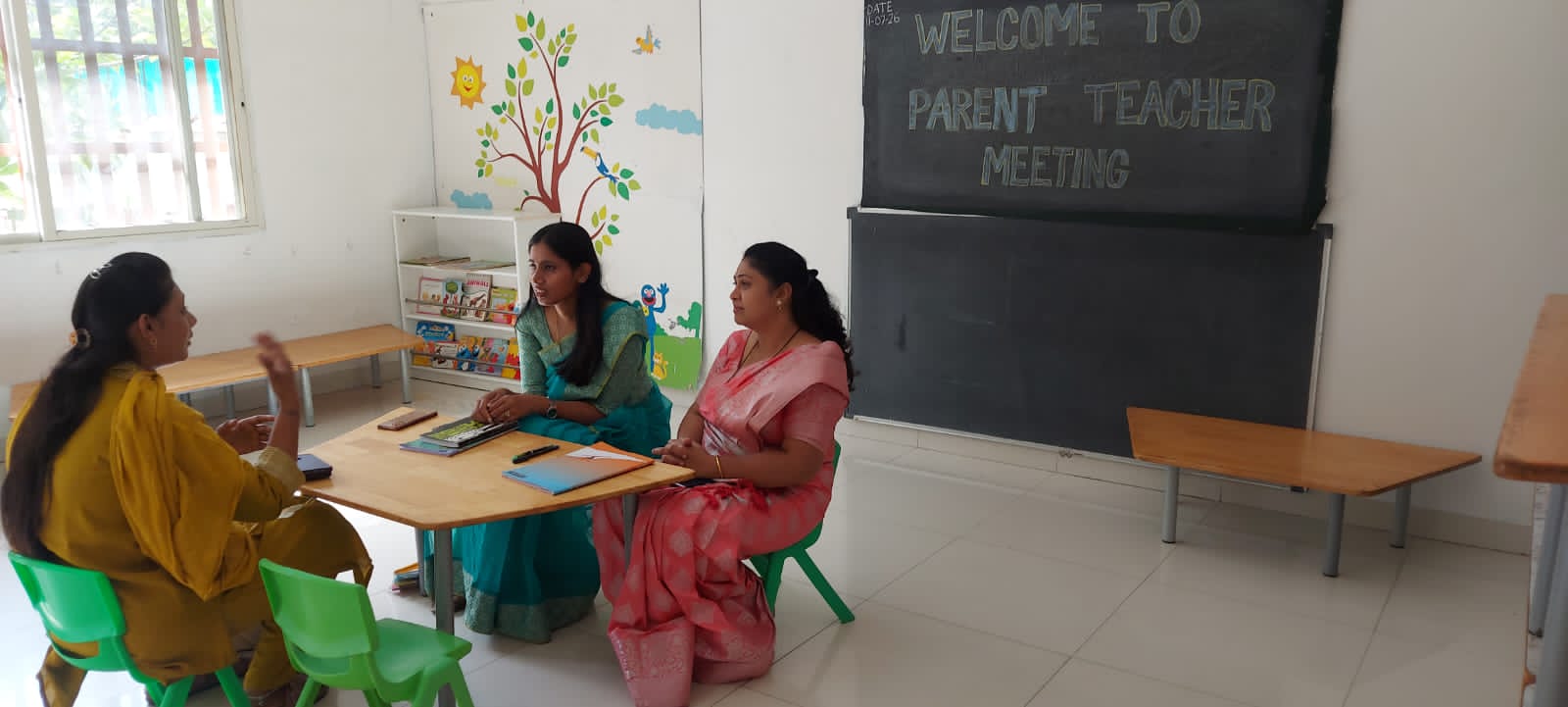
Talk to the Teacher Instead of Guessing
Parents see the tears before school.
Teachers see what happens after you leave.
That makes your child’s teacher an important part of understanding the situation.
Ask questions such as:
- Does my child settle after I leave?
- What activities do they enjoy?
- Do they interact with other children?
- Are there particular parts of the day they find difficult?
- Do they ask about going home?
- Is there anything we can practise at home?
This conversation can change your understanding of the whole situation.
You may discover that your child spends the morning happily playing after a difficult five-minute goodbye.
Or you may learn that there is a particular part of the day that is making them uncomfortable.
Either way, you have something useful to work with.
A Supportive Preschool Environment Matters
Children don’t all adjust in the same way.
Some walk into a new classroom without looking back. Others need a few extra days, familiar faces and plenty of reassurance.
A calm and welcoming environment can give children the space they need to gradually build confidence.
Best Kiddonia Preschool and daycare centres Wakad in Pune provides an early-learning environment where children can participate in play, activities and age-appropriate learning experiences while becoming familiar with classroom routines.
For parents, the important thing is not simply finding a place where a child “doesn’t cry.” A more useful question is whether the environment gives the child opportunities to feel safe, participate, communicate and gradually become more independent.
Your Child Doesn’t Need to Have Perfect Mornings
There will probably be mornings when everything goes smoothly.
And there will probably be mornings when the shoes somehow disappear, breakfast becomes an argument and your child starts crying before you’ve even found the school bag.
That’s okay.
Your child is learning something bigger than simply “going to school.” They are learning how to separate from you, trust another adult, enter a new environment, make friends and handle uncomfortable feelings.
You don’t have to make every tear disappear.
Stay calm when you can. Keep the routine predictable. Make goodbye simple. Listen to what your child is trying to tell you. And keep communicating with the teacher.
Most importantly, don’t judge yourself by one difficult school morning.
For a young child, becoming comfortable with school is a journey. Your patience and steady reassurance can be one of the most reassuring parts of that journey.
FAQs
Is it normal for a child to cry every morning before school?
It can happen, particularly during a new school transition or a change in routine. What matters is how your child behaves throughout the school day and whether things gradually improve.
Should I take my child home when they cry at school?
Not necessarily. If your child is otherwise well, regularly going home immediately after crying can make the separation cycle harder to change. Speak with the teacher and understand what happens after the goodbye before deciding what approach is best.
How long does preschool separation anxiety last?
There is no fixed timeline. Some children adjust quickly, while others need more time. A predictable routine, calm goodbyes and support from teachers can help.
What should I say when my child says, “I don’t want to go to school”?
Start by acknowledging the feeling.
You can say:
“I know you don’t want to go right now. You are feeling sad about saying goodbye. I’ll come back after school.”
Keep it short and reassuring rather than turning it into a long argument.
My child cries when I leave but is happy later. Should I worry?
Not necessarily. The transition itself may be the hardest part. Ask the teacher how your child behaves once you leave. If they settle, play and participate, that gives you useful information.
What if my child still refuses school after several weeks?
Talk to the teacher and look for patterns. If the distress remains intense or affects other areas of your child’s everyday life, consider speaking with a qualified child-development professional for individual guidance.