
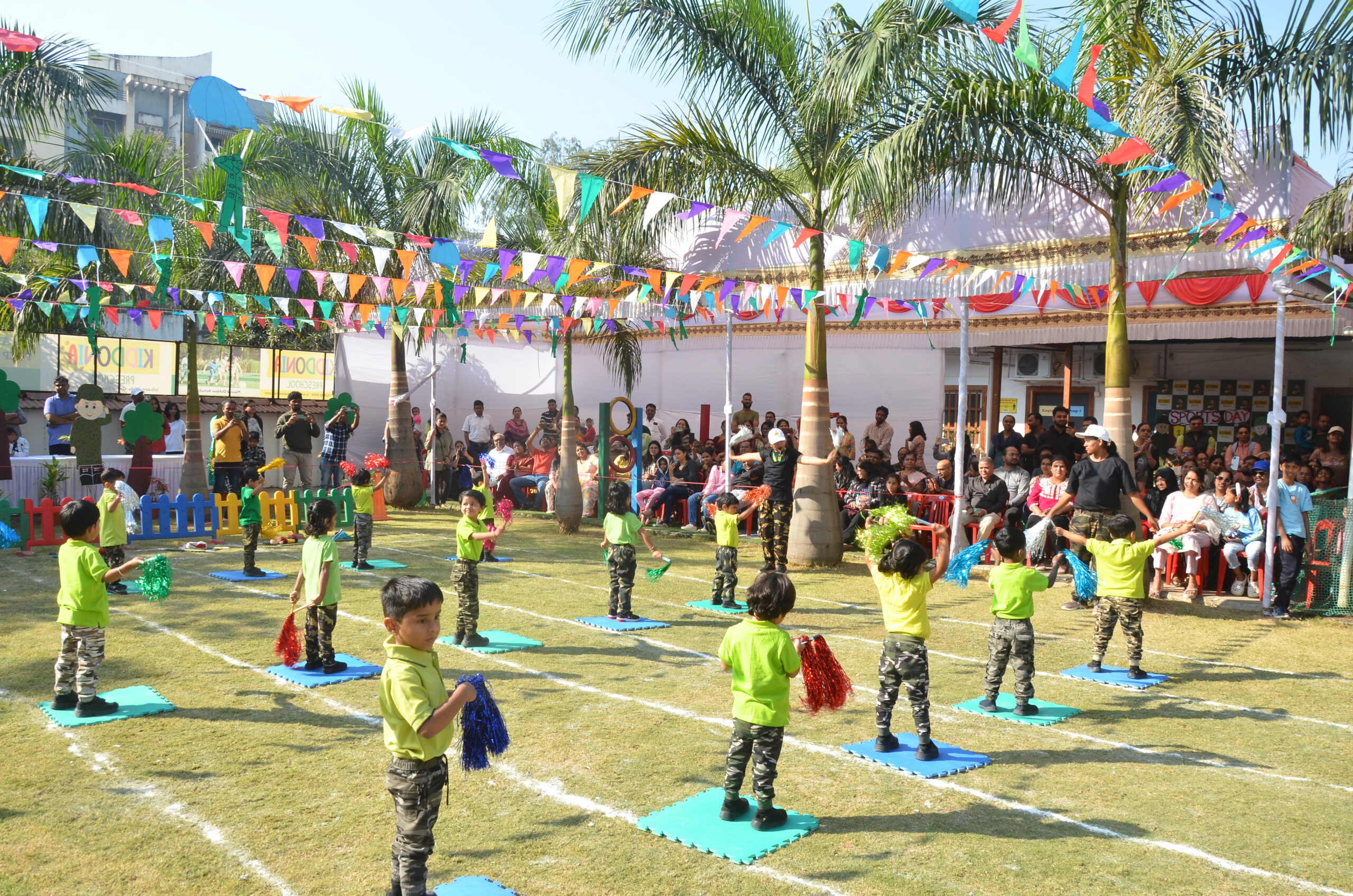
Discover 5 ways Reflex Integration Therapy may support balance, coordination, body awareness and movement in children in Wakad, Pune. Children learn about the world through movement. Crawling, walking, climbing, reaching, balancing and playing all give children opportunities to understand how their bodies work.
Sometimes, parents notice that their child finds certain movement or coordination activities more challenging than expected. They may have difficulty maintaining balance, coordinating both sides of the body or participating comfortably in some physical and classroom activities.
Table of Contents
In such situations, parents may come across Reflex Integration Therapy as one of the developmental approaches used by some professionals.
It is important to remember that every child is different. Reflex-related concerns should be assessed by an appropriately qualified professional rather than diagnosed based on online information.
What Are Early Reflex Patterns?
Babies are born with several automatic movement responses known as primitive reflexes. These responses are part of early nervous system development.
As children mature, many early reflex patterns become less prominent while voluntary movement and control develop.
Reflex Integration Therapy refers to movement-based approaches that aim to work with certain reflex patterns through specific activities. The methods can differ depending on the professional and therapeutic approach.
5 Ways Movement-Based Reflex Support May Help
1. Supporting Balance and Coordination
Children use balance and coordination during running, jumping, climbing, playing games and moving around their environment.
Movement-based activities may provide opportunities to practise controlled body movements and coordination according to the child’s individual abilities.
2. Encouraging Body Awareness
Children gradually learn how their body moves and where it is positioned in relation to objects and people.
Activities involving reaching, crawling, balancing and controlled movement can provide opportunities to develop body awareness.
3. Supporting Motor Planning
Some children may find it difficult to figure out how to complete a new movement or sequence of movements.
Age-appropriate movement activities can give children opportunities to practise planning, organising and completing physical actions.
4. Developing Bilateral Coordination
Many everyday activities require both sides of the body to work together.
For example, children may use both hands while opening a container, building with blocks, using classroom materials or getting dressed.
Movement and play activities can provide opportunities to practise using both sides of the body together.
5. Encouraging Participation in Everyday Activities
The ultimate focus of developmental support should be meaningful participation.
Children use movement skills when playing with friends, joining classroom activities, using playground equipment and completing age-appropriate daily tasks.
Supporting movement and coordination may help children participate more comfortably in activities that are important to them, depending on their individual needs.
What Might Parents Notice?
Parents may notice certain patterns in their child’s everyday activities, such as:
- Avoiding particular physical activities
- Frequent difficulty with balance
- Difficulty coordinating movements
- Struggling with activities that require both hands
- Finding new movement sequences challenging
- Needing additional help with certain age-appropriate tasks
- Becoming frustrated during physically demanding activities
These observations do not automatically indicate a reflex-related issue. Many factors can affect a child’s movement and development.
If concerns are persistent, a qualified professional can help assess the child’s overall development.
How Can Movement Be Encouraged Through Play?
Children do not always need structured exercises to experience useful movement.
Simple play activities can provide natural opportunities for movement and coordination.
Ball Play
Rolling, throwing and catching age-appropriate balls can encourage coordination and movement.
Obstacle Play
Simple supervised obstacle activities involving stepping, crawling or walking around objects can make movement enjoyable.
Dancing
Dancing to children’s songs can encourage rhythm, movement and body awareness.
Building and Floor Play
Crawling, reaching and playing with blocks on the floor can provide different movement experiences.
Outdoor Activities
Running, climbing and age-appropriate playground activities can encourage children to explore movement naturally.
Safety and supervision should always be considered, especially during activities involving climbing, balance or physical challenges.
Reflex Integration Therapy for Kids in Wakad, Pune
Parents searching for Reflex Integration Therapy for kids in Wakad, Pune may want to understand whether their child’s movement or coordination difficulties require additional developmental support.
At Kiddonia Preschool in Wakad, children are encouraged to learn through play, movement, interaction and hands-on experiences.
Our child-focused environment recognises that every child develops differently. If parents have concerns about coordination, movement or participation, discussing those concerns with an appropriately qualified professional can help identify suitable next steps.
Supporting Development Without Comparing Children
It can be tempting to compare a child’s physical skills with those of siblings, classmates or friends. However, development does not happen at exactly the same pace for every child.
A better approach is to observe the child’s own progress.
Ask questions such as:
- Is my child becoming more comfortable with movement?
- Are they trying new activities?
- Can they participate more independently?
- Are they showing interest in physical play?
- Do they need less assistance with everyday tasks?
Small improvements can be meaningful parts of a child’s developmental journey.
Conclusion
Movement is an important part of childhood. Balance, coordination, body awareness and motor planning help children participate in play, learning and everyday activities.
Reflex Integration Therapy is one of several movement-based approaches that some professionals may use when supporting children with specific developmental needs. The right approach depends on the individual child, so professional assessment is important.
At Kiddonia Preschool, Wakad, Pune, we believe children should have opportunities to learn and develop in an environment where they feel comfortable and supported.
Rather than comparing children with one another, focusing on their individual strengths, needs and progress can help create a more positive developmental journey.
Frequently Asked Questions
1. What is Reflex Integration Therapy?
Reflex Integration Therapy refers to movement-based approaches intended to work with certain early reflex patterns. Techniques and methods may vary between practitioners.
2. What are primitive reflexes in children?
Primitive reflexes are automatic movement responses present during early development. Many become less prominent as children mature and develop voluntary movement control.
3. Can Reflex Integration Therapy help with coordination?
Some practitioners use movement-based activities to support coordination, balance and motor control. Whether it is appropriate depends on the individual child and professional assessment.
4. Is Reflex Integration Therapy suitable for every child?
No. A developmental approach should be considered based on the child’s individual needs. Parents should seek assessment and guidance from an appropriately qualified professional.
5. Can parents practise reflex exercises at home?
Parents should not attempt specialised reflex exercises without appropriate professional guidance. General age-appropriate movement and play can be encouraged safely with supervision.
6. Where can parents find child development support in Wakad, Pune?
Parents looking for child-focused developmental support in Wakad can connect with Kiddonia Preschool to understand the available support and discuss their child’s individual developmental needs.