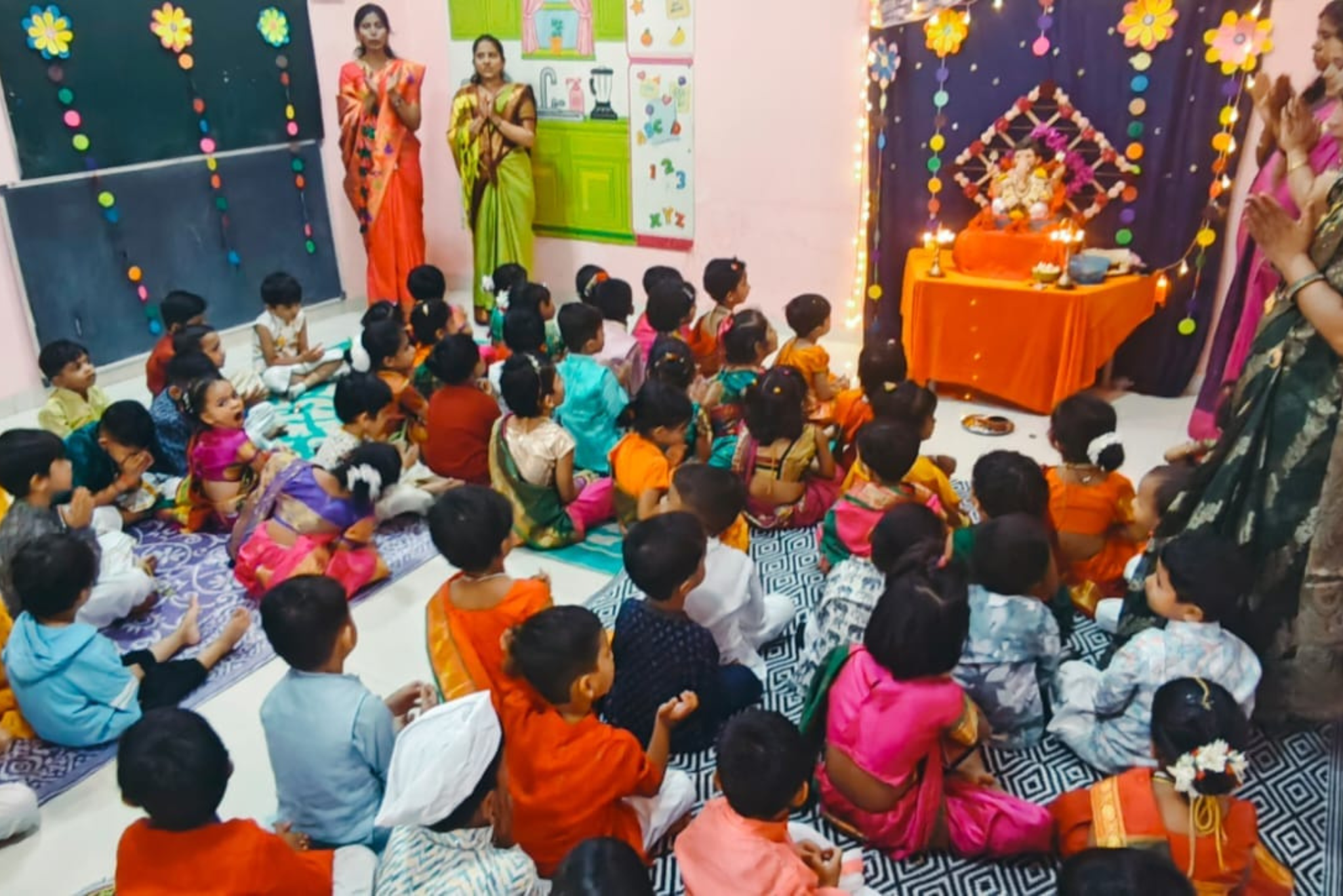
Early childhood is a magical time filled with curiosity, exploration, and rapid development. Nursery-aged children (typically 3–5 years old) learn best through play, hands-on experiences, and engaging activities that stimulate their senses. As parents, teachers, or caregivers, providing fun and educational activities can help children build essential skills such as language, motor coordination, creativity, and social interaction.
In this blog, we’ll explore 25+ fun and learning activities for nursery kids that are easy to organize and highly effective in promoting holistic development.
Why Fun-Based Learning Matters
At the nursery level, children are not ready for rigid academic structures. Instead, they thrive in environments where learning feels like play. Fun-based activities:
- Improve attention span
- Enhance creativity and imagination
- Build communication skills
- Develop fine and gross motor skills
- Encourage social interaction
Now, let’s dive into a variety of engaging activities.
1. Alphabet Treasure Hunt
Hide alphabet cards around the room and ask children to find them. Once found, they can identify the letter and say a word starting with it. This activity builds letter recognition and vocabulary.
2. Color Sorting Game
Provide colorful objects like blocks, beads, or toys. Ask children to sort them into groups based on color. This improves visual discrimination and categorization skills.
3. Storytelling Circle
Sit in a circle and narrate a story. Encourage kids to add their own twists or endings. This boosts imagination, listening skills, and confidence.
4. Finger Painting
Let children explore painting using their fingers. It’s messy but incredibly fun and helps develop sensory awareness and creativity.
5. Rhyming Songs and Actions
Teach simple rhymes with actions. This improves memory, rhythm, and language development.
6. Playdough Creations
Give kids playdough to create shapes, animals, or objects. It enhances fine motor skills and creativity.
7. Shape Matching Game
Use cutouts of shapes and matching boards. Kids match shapes to their outlines, improving spatial awareness.
8. Nature Walk
Take children outdoors and let them observe trees, flowers, and insects. Ask questions to encourage curiosity and observation skills.
9. Building Blocks
Provide blocks for stacking and building structures. This strengthens problem-solving skills and hand-eye coordination.
10. Musical Chairs
A classic game that encourages movement, listening, and quick thinking.
11. Flashcard Fun
Use flashcards with pictures, numbers, or letters. Keep sessions short and interactive to maintain interest.
12. Sand Play
Let children play with sand using molds and tools. It enhances sensory development and creativity.
13. Puppet Show
Use puppets to tell stories or let kids create their own. This activity boosts communication and imagination.
14. Counting with Objects
Use everyday items like fruits or toys to teach counting. Hands-on counting makes math more understandable.
15. Dance and Movement
Play music and let children dance freely. It improves coordination and physical fitness.
16. Matching Pairs Game
Create cards with matching pictures and ask kids to find pairs. This improves memory and concentration.
17. Water Play
Provide cups, spoons, and containers for water play. It teaches concepts like volume and improves motor skills.
18. Drawing and Coloring
Encourage children to draw freely or color within outlines. It enhances creativity and fine motor control.
19. Role Play Activities
Set up pretend play scenarios like a kitchen, shop, or classroom. Role play develops social and emotional skills.
20. Simple Puzzle Solving
Introduce age-appropriate puzzles. These improve problem-solving and cognitive skills.
21. Balloon Games
Use balloons for tossing, balancing, or passing games. It improves coordination and teamwork.
22. Memory Tray Game
Show a tray with objects, cover it, and ask children to recall items. This strengthens memory skills.
23. Clay Modeling
Using clay to shape objects helps develop finger strength and creativity.
24. Action-Based Learning
Combine learning with actions, like jumping while counting numbers or clapping for each letter.
25. Gardening Activity
Let kids plant seeds and water plants. It teaches responsibility and introduces basic science concepts.
26. Sensory Bins
Fill bins with rice, beans, or beads and hide small toys inside. Kids explore textures while searching for items.
27. Picture Talk
Show a picture and ask children to describe what they see. This enhances vocabulary and observation skills.
28. Obstacle Course
Set up a simple indoor or outdoor obstacle course. It promotes physical development and confidence.
29. Sorting by Size
Provide objects of different sizes and ask kids to arrange them from smallest to largest.
30. DIY Craft Activities
Use paper, glue, and safe scissors for simple crafts. This improves creativity and hand coordination.
Tips for Making Activities More Effective
To maximize the benefits of these activities, keep the following tips in mind:
1. Keep It Short and Engaging
Young children have short attention spans, so activities should be brief and dynamic.
2. Use Positive Reinforcement
Encourage children with praise and appreciation to boost confidence.
3. Be Patient
Every child learns at their own pace. Avoid pressure and allow them to explore freely.
4. Ensure Safety
Always supervise activities and use child-safe materials.
5. Encourage Participation
Make sure every child gets a chance to participate and express themselves.
Benefits of These Activities
Incorporating these fun and learning activities into daily routines can lead to:
- Improved language and communication skills
- Better motor coordination
- Enhanced creativity and imagination
- Stronger social and emotional development
- Increased confidence and independence
Conclusion
Learning in the nursery stage should be joyful, interactive, and meaningful. By integrating these 25+ fun and learning activities, you can create an enriching environment where children not only learn essential skills but also develop a love for learning.
Remember, the goal is not perfection but participation. When children enjoy what they are doing, learning happens naturally. So, embrace the mess, celebrate the small wins, and watch your little learners grow with confidence and curiosity.