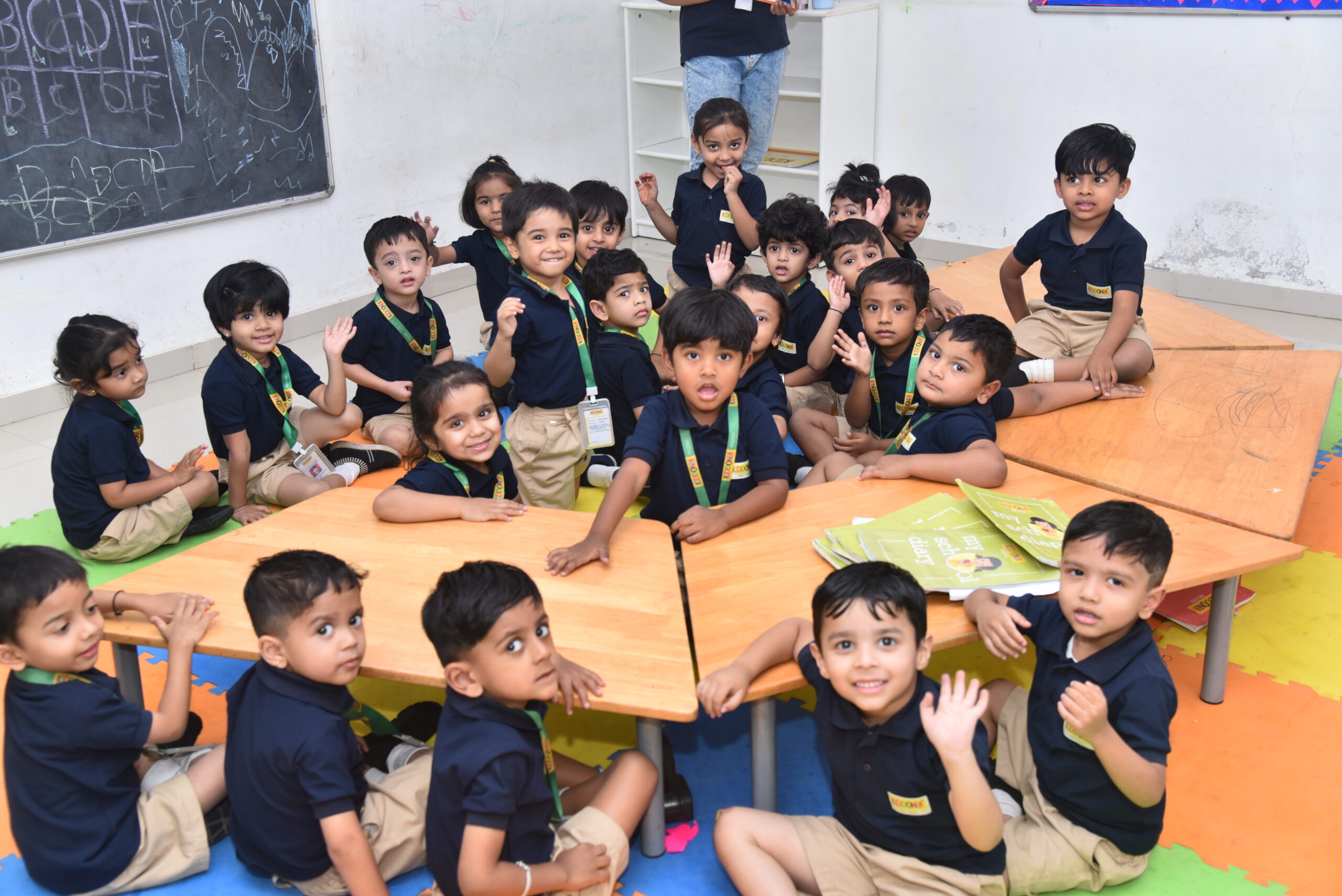
When it comes to early childhood education, parents often come across two commonly used terms: preschool and kindergarten. While they may seem similar at first glance, these two stages serve different purposes in a child’s developmental journey.
Understanding the difference between preschool and kindergarten can help parents make informed decisions about their child’s education and ensure they are prepared for future academic success.
What is Preschool?
Preschool is an early childhood education program designed for children typically between the ages of 2.5 to 4 years. It is often the first structured learning environment a child experiences outside the home.
Key Features of Preschool:
- Focus on play-based learning
- Emphasis on social and emotional development
- Introduction to basic concepts like colors, shapes, and letters
- Flexible and less structured environment
- Shorter school hours
What Children Learn in Preschool:
Preschool is all about exploration and discovery. Children learn through activities such as storytelling, singing, playing, and hands-on crafts. The goal is not academic achievement but developing foundational skills, including:
- Communication and language skills
- Sharing and cooperation
- Basic motor skills
- Curiosity and creativity
What is Kindergarten?
Kindergarten is a more formal stage of education, usually for children aged 4 to 6 years, depending on the country and education system. It often serves as a bridge between preschool and primary school.
In many places, kindergarten is considered the first official year of school.
Key Features of Kindergarten:
- More structured and curriculum-based
- Focus on academic readiness
- Introduction to reading, writing, and basic math
- Fixed schedule with longer school hours
- Classroom routines similar to primary school
What Children Learn in Kindergarten:
Kindergarten prepares children for formal schooling by introducing academic concepts in an engaging way. Learning areas include:
- Alphabet recognition and phonics
- Writing simple words and sentences
- Basic mathematics (counting, addition, shapes)
- Following instructions and routines
- Problem-solving and critical thinking
Preschool vs Kindergarten: Key Differences
Here’s a clear comparison to help you understand how preschool and kindergarten differ:
| Aspect | Preschool | Kindergarten |
| Age Group | 2.5 – 4 years | 4 – 6 years |
| Focus | Play-based learning | Academic readiness |
| Structure | Flexible and informal | Structured and routine-based |
| Curriculum | Basic concepts | Reading, writing, math |
| Duration | Shorter hours | Longer school day |
| Goal | Social & emotional development | Preparation for primary school |
Teaching Approach
Preschool Approach:
Preschools use a child-centered approach, where learning is guided by the child’s interests. Teachers act as facilitators, encouraging exploration rather than instruction.
Kindergarten Approach:
Kindergarten uses a more teacher-led approach, balancing play with structured lessons. Children are gradually introduced to classroom discipline and expectations.
Social Development Differences
- Preschool: Focuses on helping children interact, share, and express emotions. It builds confidence in a new environment.
- Kindergarten: Builds on those skills by encouraging teamwork, responsibility, and independence.
Academic Expectations
- Preschool: No pressure to achieve academic milestones. Learning is informal and fun.
- Kindergarten: Children are expected to recognize letters, numbers, and begin basic reading and writing.
Which One is More Important?
Both preschool and kindergarten play crucial roles in a child’s development, but they serve different purposes:
- Preschool lays the foundation for learning through play and social interaction.
- Kindergarten builds on that foundation and prepares children for formal education.
Skipping preschool is possible, but it may make the transition to kindergarten more challenging for some children, especially in terms of social skills.
How to Choose the Right Option
When deciding between preschool and kindergarten (or choosing when to enroll your child), consider the following:
1. Child’s Age and Readiness
Every child develops at their own pace. Some may be ready for structured learning earlier, while others need more time to adjust.
2. Social Skills
If your child hasn’t had much interaction with peers, preschool can help them develop essential social skills.
3. Learning Style
Children who enjoy structured activities may adapt quickly to kindergarten, while others may benefit from the play-based approach of preschool.
4. School Requirements
Some schools require preschool experience before entering kindergarten, so it’s important to check admission criteria.
Benefits of Preschool
- Builds confidence and independence
- Encourages curiosity and creativity
- Improves communication skills
- Helps children adjust to group settings
Benefits of Kindergarten
- Prepares children for primary school
- Develops early academic skills
- Teaches discipline and routine
- Enhances problem-solving abilities
Common Misconceptions
“Preschool is just babysitting”
This is not true. Quality preschool programs are carefully designed to promote early learning and development.
“Kindergarten is too early for academics”
Kindergarten introduces academics in a fun and engaging way, making learning enjoyable rather than stressful.
Conclusion
While preschool and kindergarten may seem similar, they are distinct stages in a child’s educational journey. Preschool focuses on play, exploration, and social skills, while kindergarten emphasizes academic readiness and structured learning.
Both are equally important in shaping a child’s future. By understanding their differences, parents can make the best choice for their child’s needs and ensure a smooth transition into formal education.
Ultimately, the goal is to create a positive and supportive learning experience that nurtures a child’s natural curiosity and love for learning.