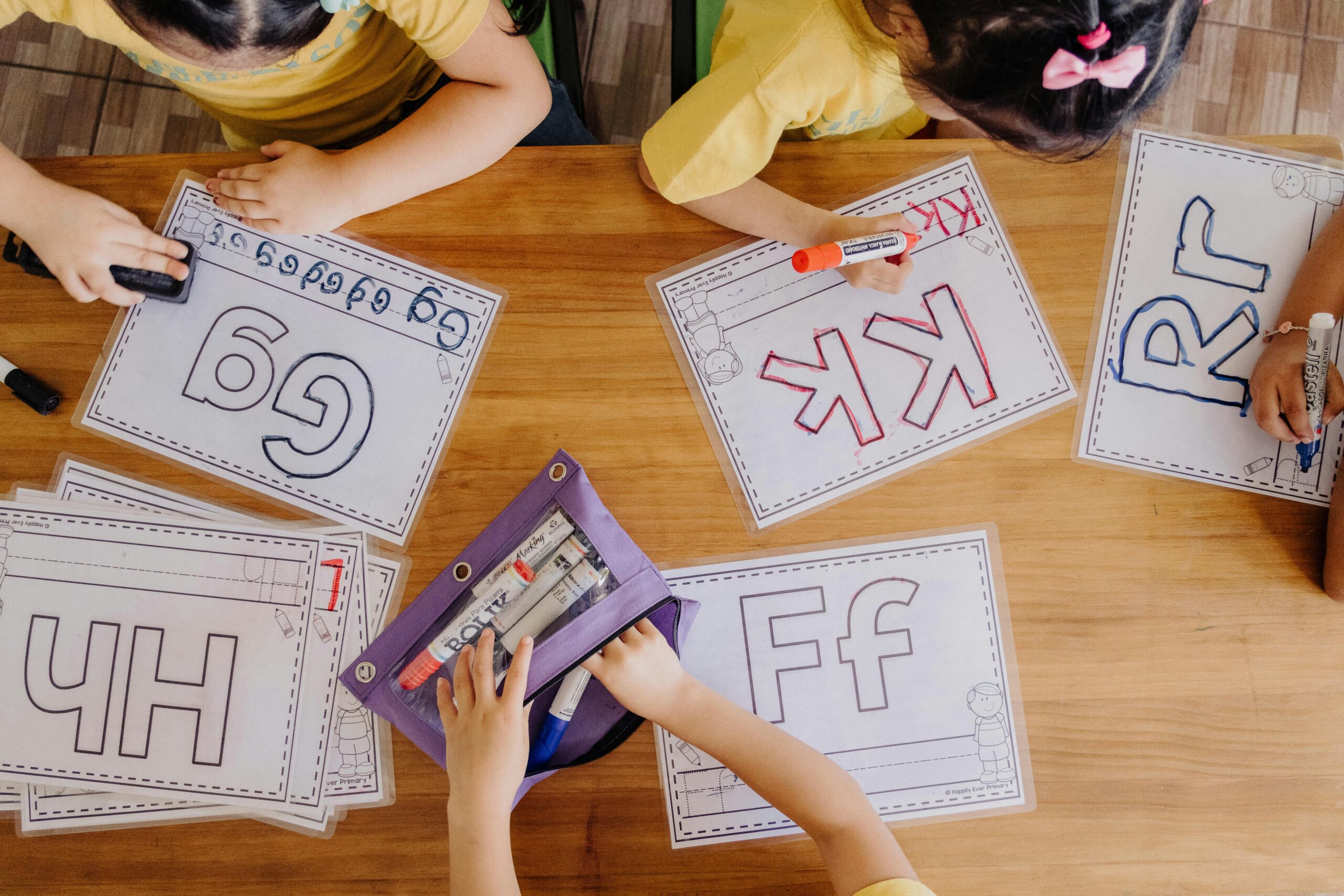
Learning the alphabet is one of the first and most important steps in a child’s early education. For preschool kids, the key to effective learning is making it fun, interactive, and engaging. When children enjoy the process, they are more likely to remember letters and develop a strong foundation for reading and writing.
In this blog, we’ll explore 10 fun alphabet activities for preschool kids that combine play with learning and can be easily done at home or in the classroom.
1. Alphabet Treasure Hunt
Turn learning into an adventure by hiding alphabet cards around the room or outdoor area. Ask children to find a specific letter or collect as many letters as they can.
How it helps:
- Improves letter recognition
- Encourages movement and excitement
- Builds memory skills
2. Letter Matching Game
Create pairs of uppercase and lowercase letters on cards. Mix them up and let children match the correct pairs.
How it helps:
- Teaches letter identification
- Strengthens visual memory
- Introduces letter relationships
3. Alphabet Art and Craft
Assign a letter and ask kids to create something related to it. For example, “A” for apple using paper and colors.
How it helps:
- Boosts creativity
- Reinforces letter-sound association
- Develops fine motor skills
4. Sing Alphabet Songs
Music is a powerful learning tool. Singing alphabet songs helps children remember letters in sequence.
How it helps:
- Improves memory and recall
- Builds rhythm and pronunciation
- Makes learning enjoyable
5. Sensory Writing Tray
Fill a tray with sand, salt, or flour and let children trace letters using their fingers.
How it helps:
- Enhances sensory development
- Improves letter formation
- Builds muscle memory
6. Alphabet Puzzle Play
Use alphabet puzzles where each piece represents a letter. Kids fit the letters into the correct slots.
How it helps:
- Develops problem-solving skills
- Reinforces letter shapes
- Improves hand-eye coordination
7. Letter of the Day Activity
Focus on one letter each day. Plan activities around that letter—words, objects, songs, and drawings.
How it helps:
- Deepens understanding of each letter
- Expands vocabulary
- Creates structured learning
8. Alphabet Story Time
Read storybooks that highlight specific letters or sounds. Pause and ask children to identify letters they hear.
How it helps:
- Improves listening skills
- Builds vocabulary
- Connects letters with real words
9. DIY Alphabet Flashcards
Create colorful flashcards with letters and pictures. Use them for quick, interactive learning sessions.
How it helps:
- Strengthens visual learning
- Encourages repetition
- Makes learning portable and flexible
10. Alphabet Movement Game
Combine physical activity with learning. For example, jump when you hear a certain letter or form letters using body movements.
How it helps:
- Improves coordination
- Keeps kids active and engaged
- Reinforces letter recognition
Tips for Teaching the Alphabet Effectively
To make these activities more impactful, keep these tips in mind:
1. Keep It Playful
Avoid pressure. Let children explore letters in a relaxed and fun environment.
2. Use Repetition
Repetition helps reinforce learning, but keep it varied to avoid boredom.
3. Be Patient
Every child learns at their own pace. Celebrate small achievements.
4. Encourage Interaction
Ask questions, involve kids in discussions, and let them express themselves.
5. Use Everyday Examples
Point out letters in books, signs, or objects around them to make learning practical.
Benefits of Alphabet Activities
Engaging children in alphabet activities helps in:
- Building early reading skills
- Improving communication and vocabulary
- Enhancing memory and concentration
- Developing fine motor skills
- Boosting confidence and independence
Conclusion
Teaching the alphabet doesn’t have to be boring or repetitive. With these 10 fun alphabet activities for preschool kids, learning becomes an exciting journey filled with creativity and exploration.
The goal is to create a positive learning experience that encourages children to love letters and words from an early age. When kids enjoy what they’re doing, they naturally become more curious and eager to learn.
Try these activities regularly, mix them up, and most importantly—have fun learning together!