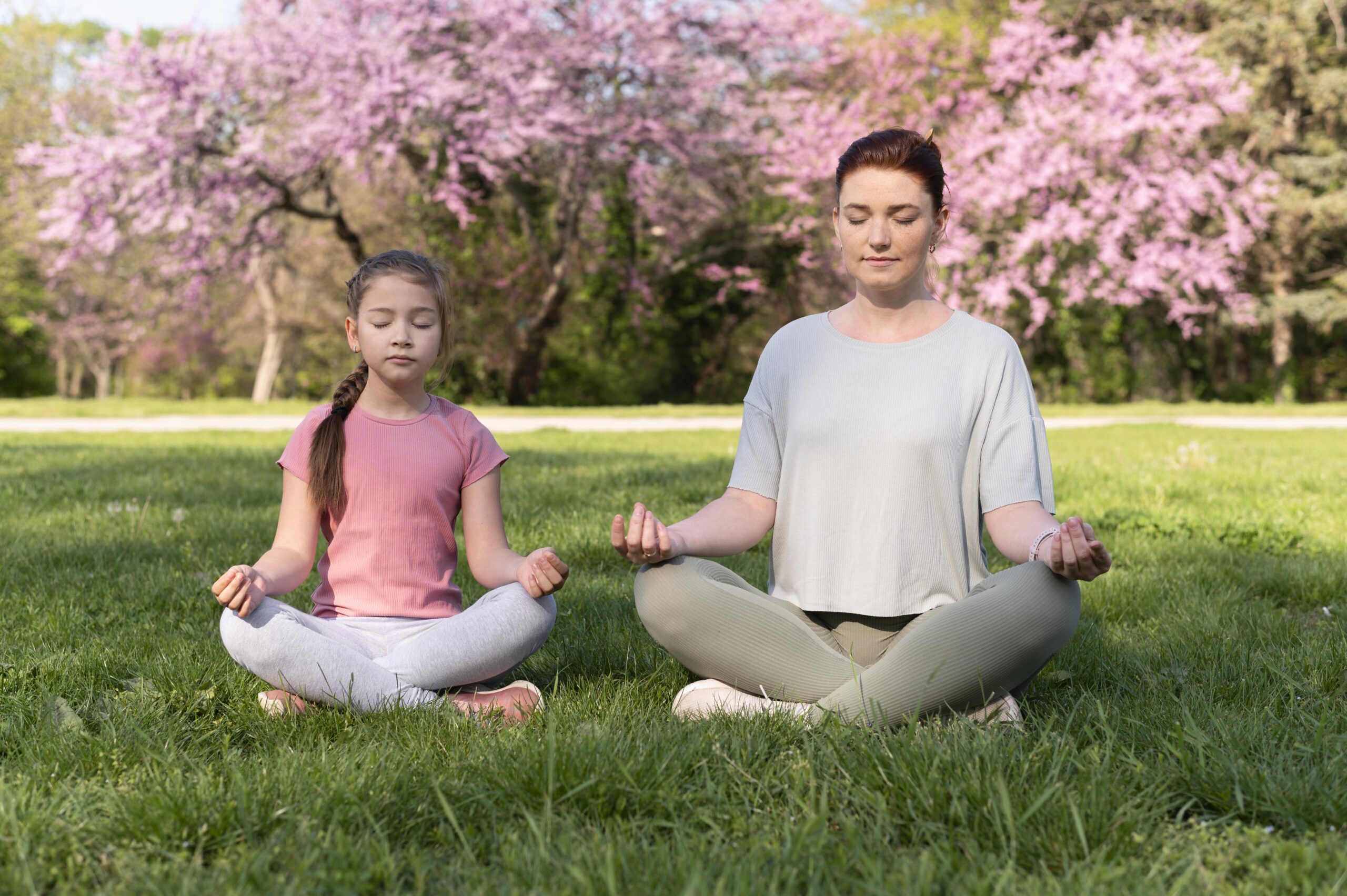
In today’s fast-paced and screen-filled world, introducing children to calming and healthy habits from an early age is more important than ever. One such powerful practice is yoga. While often associated with adults, yoga can be incredibly beneficial—and fun—for preschoolers too!
Yoga for preschoolers is not about perfect poses or strict routines. Instead, it focuses on playful movement, imagination, and relaxation, helping young children develop both physically and emotionally.
In this blog, we’ll explore easy yoga poses for preschoolers along with their benefits and tips to make yoga enjoyable for little ones.
Why Yoga is Important for Preschoolers
Preschool children (ages 3–5) are full of energy and curiosity. Yoga helps channel that energy in a positive way while supporting overall development.
Key Benefits of Yoga for Preschoolers:
- Improves flexibility and balance
- Enhances focus and concentration
- Supports emotional regulation
- Boosts confidence and self-awareness
- Encourages mindfulness and relaxation
- Strengthens muscles and coordination
Yoga also helps children learn how to calm their minds and bodies—an essential life skill.
10 Easy Yoga Poses for Preschoolers
Here are some simple, safe, and fun yoga poses that preschoolers can easily practice:
1. Mountain Pose (Tadasana)
How to do it:
- Stand straight with feet together
- Keep arms by the sides or raise them overhead
- Take deep breaths
Benefits:
- Improves posture
- Builds body awareness
- Encourages calm breathing
2. Tree Pose (Vrikshasana)
How to do it:
- Stand on one leg
- Place the other foot on the inner thigh or calf
- Bring hands together like a tree
Benefits:
- Improves balance
- Enhances concentration
- Builds confidence
3. Cat-Cow Pose
How to do it:
- Get on hands and knees
- Arch the back (cat), then dip it down (cow)
- Move slowly with breathing
Benefits:
- Improves flexibility
- Relieves tension
- Encourages coordination
4. Butterfly Pose (Baddha Konasana)
How to do it:
- Sit with feet together
- Hold toes and flap knees like butterfly wings
Benefits:
- Stretches legs and hips
- Promotes relaxation
- Fun and engaging for kids
5. Cobra Pose (Bhujangasana)
How to do it:
- Lie on the stomach
- Place hands under shoulders
- Lift the chest like a cobra
Benefits:
- Strengthens the back
- Improves posture
- Opens the chest
6. Child’s Pose (Balasana)
How to do it:
- Kneel and sit back on heels
- Stretch arms forward and rest forehead on the ground
Benefits:
- Promotes relaxation
- Calms the mind
- Reduces stress
7. Downward Dog Pose
How to do it:
- Start on hands and knees
- Lift hips up to form an inverted “V”
Benefits:
- Strengthens arms and legs
- Improves flexibility
- Energizes the body
8. Frog Pose
How to do it:
- Squat down with feet apart
- Place hands on the ground
- Pretend to hop like a frog
Benefits:
- Builds leg strength
- Improves coordination
- Adds a playful element
9. Lion Pose (Simhasana)
How to do it:
- Sit comfortably
- Open mouth wide, stick out tongue, and roar
Benefits:
- Releases tension
- Encourages expression
- Fun stress-reliever
10. Happy Baby Pose
How to do it:
- Lie on the back
- Hold feet and gently rock side to side
Benefits:
- Stretches hips
- Promotes relaxation
- Feels playful and soothing
Tips for Teaching Yoga to Preschoolers
To make yoga sessions enjoyable and effective, follow these simple tips:
1. Keep It Short and Fun
Preschoolers have short attention spans. Limit sessions to 10–15 minutes.
2. Use Stories and Imagination
Turn poses into a story—like becoming trees, animals, or mountains. This keeps kids engaged.
3. Avoid Perfection
Focus on participation, not perfect posture. Encourage effort and creativity.
4. Practice in a Safe Space
Ensure enough room for movement and use soft mats or carpets.
5. Include Breathing Exercises
Teach simple breathing like “smell the flower, blow the candle” to help kids relax.
Creating a Simple Yoga Routine
Here’s a quick sample routine for preschoolers:
- Start with Mountain Pose (deep breathing)
- Move to Tree Pose (balance)
- Try Cat-Cow Pose (stretch)
- Add Butterfly Pose (fun movement)
- End with Child’s Pose (relaxation)
This simple flow keeps children active while helping them wind down.
Benefits Beyond Physical Health
Yoga is not just about movement—it also supports emotional and mental growth.
Emotional Benefits:
- Helps children manage anger and frustration
- Builds patience and self-control
- Encourages positive behavior
Mental Benefits:
- Improves focus and attention span
- Enhances memory
- Supports better learning in school
Conclusion
Yoga is a wonderful way to introduce preschoolers to healthy habits that can last a lifetime. With simple poses, playful techniques, and a relaxed approach, children can enjoy yoga while developing important physical, emotional, and mental skills.
The key is to keep it fun, imaginative, and pressure-free. When yoga feels like play, children naturally embrace it and look forward to practicing it every day.
So roll out a mat, strike a pose, and let your little ones explore the joyful world of yoga!