Preschool is often a child’s first step into the world of structured learning. For many parents, it may seem like preschool is just about playtime—but in reality, it is a crucial stage where children develop essential skills that form the foundation for lifelong learning.
So, what exactly do children learn in preschool? The answer goes far beyond alphabets and numbers. Preschool focuses on holistic development, helping children grow socially, emotionally, physically, and cognitively.
Let’s explore the key areas of learning in preschool and why they are so important.
1. Social Skills
One of the most important things children learn in preschool is how to interact with others.
Key Social Skills Include:
- Sharing and taking turns
- Making friends
- Working in groups
- Understanding rules
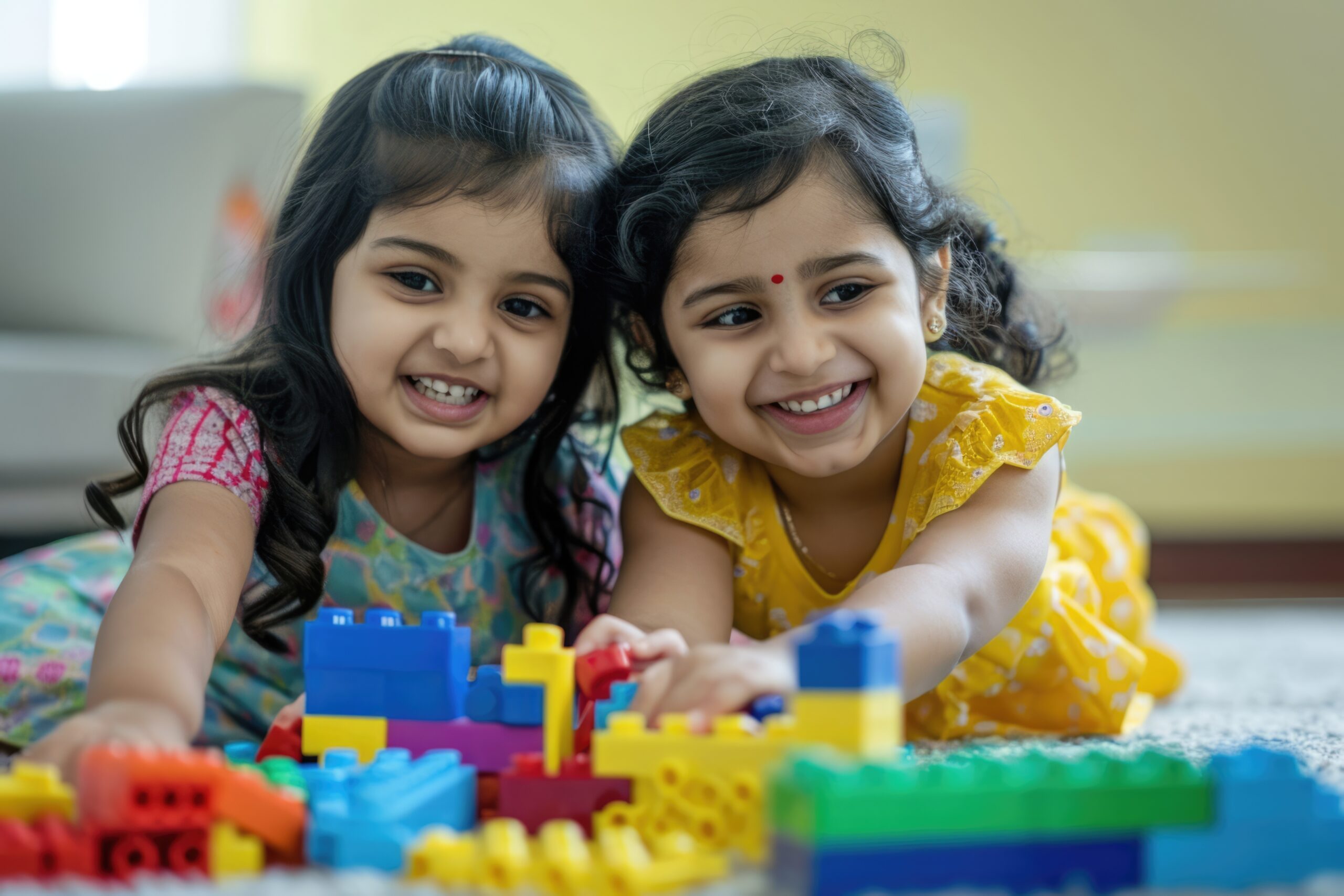
Through group activities, games, and playtime, children learn how to cooperate and build relationships.
2. Emotional Development
Preschool helps children understand and manage their emotions.
What They Learn:
- Expressing feelings in a healthy way
- Developing empathy for others
- Handling frustration and disappointment
- Building self-confidence
Teachers guide children to recognize emotions and respond appropriately, which is essential for personal growth.
3. Language and Communication Skills
Preschool is a critical time for language development. Children are constantly exposed to new words, sounds, and ways of expressing themselves.
Learning Areas:
- Speaking clearly and confidently
- Listening and understanding instructions
- Vocabulary building
- Early reading and storytelling
Activities like storytelling, rhymes, and conversations help children improve their communication skills.
4. Early Literacy Skills
While preschool is not about formal reading, it introduces children to the basics of literacy.
Key Concepts:
- Recognizing letters and sounds
- Understanding that print has meaning
- Learning to hold books and turn pages
- Identifying simple words
These early experiences prepare children for reading and writing in later years.
5. Basic Math Skills
Preschool introduces simple math concepts in a fun and engaging way.
What Children Learn:
- Counting numbers
- Recognizing shapes
- Understanding patterns
- Comparing sizes (big/small, more/less)
These concepts are taught through games, songs, and hands-on activities.
6. Cognitive Development
Cognitive skills involve thinking, reasoning, and problem-solving.
Activities That Support Cognitive Growth:
- Puzzles and matching games
- Sorting and classifying objects
- Memory games
- Exploring cause and effect
Children learn to ask questions, think critically, and explore their surroundings.
7. Fine Motor Skills
Fine motor skills involve small muscle movements, especially in the hands and fingers.
Skills Developed Through:
- Drawing and coloring
- Cutting with safety scissors
- Playing with clay or playdough
- Threading beads
These activities help children prepare for writing and other daily tasks.
8. Gross Motor Skills
Gross motor skills involve larger body movements.
Activities Include:
- Running and jumping
- Climbing and balancing
- Dancing and physical play
- Outdoor games
These activities improve strength, coordination, and overall physical health.
9. Creativity and Imagination
Preschool encourages children to express themselves creatively.
Creative Activities:
- Art and craft
- Music and dance
- Role-playing and pretend play
- Storytelling
Creativity helps children think outside the box and build confidence.
10. Independence and Self-Help Skills
Preschool teaches children to become more independent.
Skills Learned:
- Washing hands
- Eating on their own
- Cleaning up after activities
- Following routines
These daily habits build responsibility and self-confidence.
11. Understanding the World Around Them
Children are naturally curious, and preschool helps them explore their environment.
Learning Includes:
- Identifying animals, plants, and objects
- Understanding weather and seasons
- Learning about family and community
- Basic science concepts
This helps children make sense of the world they live in.
12. Following Instructions and Routine
Preschool introduces children to structured routines.
What They Learn:
- Listening to instructions
- Completing tasks
- Transitioning between activities
- Understanding time and schedules
This prepares them for the structure of primary school.
Teaching Methods Used in Preschool
Preschool learning is designed to be engaging and enjoyable. Common teaching methods include:
- Play-based learning
- Activity-based learning
- Storytelling and songs
- Hands-on exploration
These methods ensure that children learn naturally without pressure.
Why Preschool Learning Matters
The skills children gain in preschool are essential for their future success. Preschool helps:
- Build a strong foundation for academics
- Improve social and emotional well-being
- Boost confidence and independence
- Encourage a love for learning
Children who attend preschool often adapt more easily to formal schooling.
Common Misconceptions About Preschool
“Preschool is just playtime”
While play is a major part of preschool, it is purposeful and educational.
“Children must learn to read and write in preschool”
Preschool focuses on preparing children for learning, not forcing academic milestones.
Conclusion
Preschool is much more than a place for children to spend time—it is a vital stage where they learn essential life skills that shape their future. From social interaction and emotional growth to early literacy and problem-solving, preschool provides a well-rounded foundation for developm