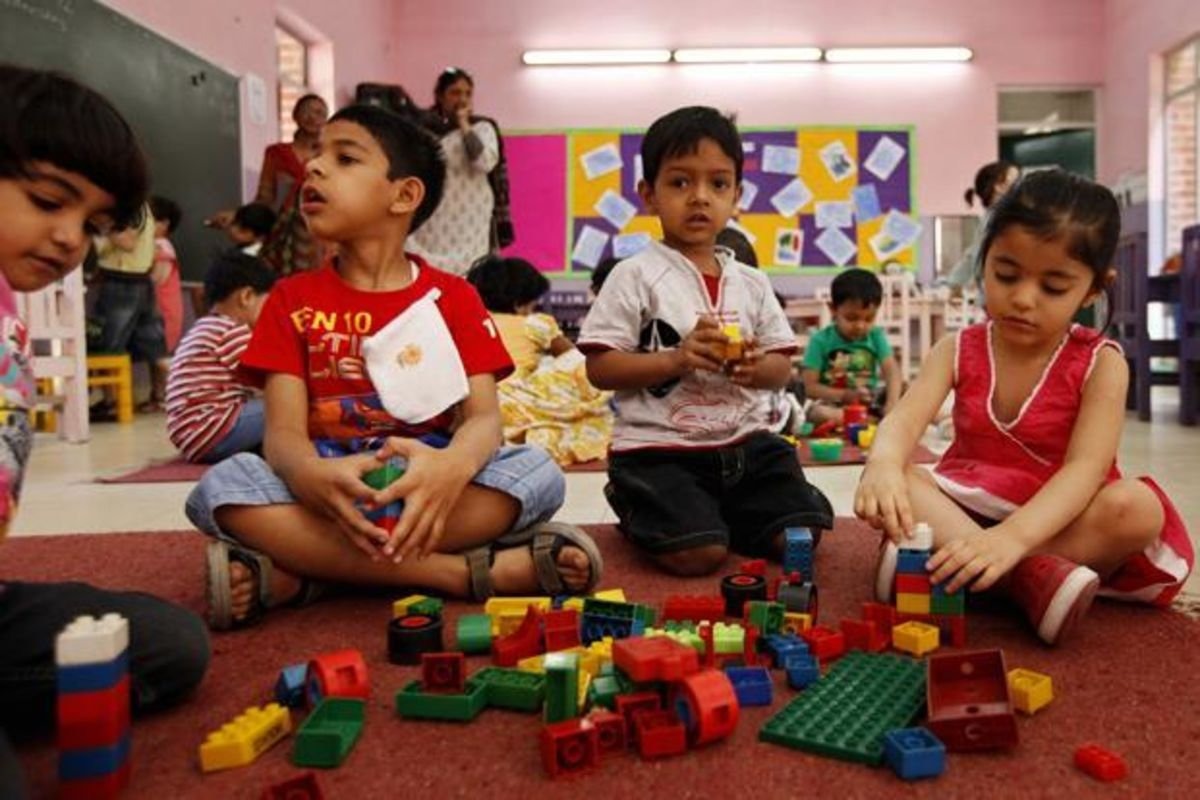
Discover fun and interactive learning activities for preschoolers that improve creativity, communication, motor skills, and early childhood development through playful education at home and school. Parents today are constantly searching for meaningful ways to keep young children engaged without depending too much on screens.
Preschoolers are naturally curious, energetic, and eager to explore the world around them. That curiosity creates the perfect opportunity for play-based learning activities that build important developmental skills while still feeling exciting and enjoyable. Research continues to show that children learn best when they actively participate through movement, imagination, creativity, and hands-on experiences.
Table of Contents
Many parents worry that learning at home has to look formal or academic. The truth is much simpler. A scavenger hunt can teach problem-solving. A sensory bin can improve fine motor skills. A pretend grocery store can develop language and counting abilities. Preschool learning does not need expensive equipment or complicated lesson plans. Some of the most effective activities use everyday household items and a little imagination.
At Kiddonia Preschool, the focus on playful and interactive learning reflects what child development experts have recommended for years. Children develop social confidence, emotional understanding, creativity, communication skills, and early literacy much faster when they are actively involved in learning rather than passively memorizing information. Fun and Interactive Learning Activities for Preschoolers.
Why Play-Based Learning Matters for Preschoolers
Play-based learning is far more than entertainment. It is one of the most effective ways for preschool children to understand concepts, develop confidence, and build foundational life skills. During the preschool years, a child’s brain develops rapidly, absorbing information through experiences rather than formal instruction. That is why playful learning activities often produce better long-term results than repetitive worksheets or passive screen viewing. Fun and Interactive Learning Activities for Preschoolers.
Studies from child development experts and educational researchers show that active play helps children improve memory, language development, problem-solving skills, emotional regulation, and social communication. When preschoolers engage in pretend play, sensory exploration, or creative movement, they are strengthening neural pathways in the brain while also learning how to interact with the world around them.
One major advantage of interactive learning activities is the reduction of excessive screen time. Parents everywhere are struggling with the challenge of keeping children entertained without relying on tablets or phones. Research suggests that too much screen exposure can reduce imaginative play and creativity in preschool-aged children. Hands-on activities create richer experiences because children touch, move, explore, ask questions, and solve problems independently.
Think about it this way. A screen shows a child how something works, but play allows them to discover it for themselves. That discovery process creates excitement and deeper understanding. Children remember what they actively experience. Whether it is stacking blocks, sorting colors, or pretending to run a restaurant, every playful activity contributes to cognitive and emotional development. Fun and Interactive Learning Activities for Preschoolers.
Parents do not need to become professional teachers to support learning at home. The goal is simply to create an environment where curiosity can thrive naturally. Even simple daily interactions can become educational opportunities when approached creatively.
Sensory Activities That Encourage Exploration
Sensory activities are among the best learning experiences for preschoolers because they engage multiple senses at the same time. Young children learn best when they can see, touch, hear, smell, and manipulate objects around them. Sensory play helps children improve fine motor coordination, concentration, creativity, and emotional calmness while also supporting brain development.
One of the easiest and most effective sensory activities is creating a sensory bin. Parents can fill a container with rice, beans, kinetic sand, water beads, pasta, or cotton balls. Hidden objects such as toy animals, letters, or numbers can then be added for children to discover. As children scoop, sort, and search through the materials, they strengthen hand muscles needed for writing while also improving focus and problem-solving abilities.
Water play is another fantastic sensory experience. Preschoolers are naturally fascinated by pouring, splashing, measuring, and mixing water. A simple bucket with cups, spoons, and floating toys can provide endless learning opportunities. Children begin understanding concepts like volume, weight, and cause-and-effect without even realizing they are learning.
Texture games also help children become comfortable exploring new sensations. Activities involving shaving cream, finger paint, play dough, slime, or textured fabrics encourage creativity and sensory awareness. Some children may initially hesitate to touch unfamiliar materials, but repeated exposure builds confidence and flexibility.
Outdoor sensory play adds another layer of exploration. Walking barefoot on grass, collecting leaves, smelling flowers, or listening to birds helps preschoolers connect with nature while developing observation skills. According to research, outdoor adventurous play supports both physical activity and emotional well-being.
Sensory learning activities work because they transform abstract ideas into physical experiences. Instead of simply hearing about shapes, colors, or textures, children experience them directly. That hands-on interaction creates stronger learning connections that stay with them much longer.
Literacy Activities for Early Reading Skills
Building early literacy skills does not mean forcing preschoolers to sit quietly and memorize letters for hours. The best literacy learning happens naturally through playful interaction, storytelling, singing, and conversation. Preschool children thrive when language becomes part of everyday fun rather than structured pressure.
One highly effective activity is the letter matching game. Parents can write letters on cards or sticky notes and ask children to match uppercase and lowercase letters around the house. Magnetic letters on the refrigerator also work wonderfully. Children enjoy physically moving and sorting the letters, which makes recognition easier and more memorable.
Storytelling activities are equally powerful. Reading picture books together introduces vocabulary, sentence structure, listening skills, and imagination. The magic happens when parents actively engage during reading time by asking questions, changing voices for characters, or encouraging children to predict what happens next. This transforms reading into an interactive conversation rather than a passive activity.
Puppet play is another creative literacy tool. Children often become more expressive when using puppets because it feels playful and imaginative. They begin creating their own stories, conversations, and emotional expressions. These activities strengthen communication skills while boosting confidence in language use.
Rhyming games also support phonics awareness. Singing nursery rhymes or creating silly rhyming words helps children recognize sound patterns in language. This becomes an important foundation for reading development later in school.
The key is consistency rather than perfection. Even short daily literacy activities create strong long-term benefits. According to experts in early childhood education, playful communication and cooperative play significantly improve language growth and social interaction skills.
Parents sometimes underestimate how much learning happens through ordinary conversation. Talking about grocery shopping, weather changes, animals, or bedtime routines exposes preschoolers to vocabulary and critical thinking naturally. Every conversation becomes a mini language lesson when children feel encouraged to ask questions and share ideas.
Math Activities That Feel Like Play
Math for preschoolers should feel exciting, visual, and interactive rather than intimidating. At this age, children learn mathematical thinking best through games, movement, and hands-on experiences. Everyday routines can easily become opportunities to introduce counting, patterns, shapes, sorting, and measurement concepts.
Counting activities are incredibly simple to include throughout the day. Parents can count toys while cleaning up, count fruit slices during snack time, or count steps while climbing stairs. Repetition through natural activities helps children understand numbers in a meaningful context instead of memorizing them mechanically.
Sorting games are another excellent math activity. Preschoolers love organizing objects by color, shape, size, or texture. Buttons, blocks, toy animals, or kitchen utensils can all become learning tools. While sorting objects, children develop categorization and logical thinking skills that support early mathematics understanding.
Shape recognition games can also be turned into playful adventures. A shape scavenger hunt around the house encourages children to identify circles, squares, triangles, and rectangles in real-world objects. Suddenly, math becomes part of their environment instead of something abstract.
Patterns are another important preschool math skill. Creating simple patterns using colored beads, snacks, or building blocks teaches prediction and sequencing. Children enjoy the challenge of figuring out what comes next, almost like solving a puzzle.
Board games designed for young children also encourage counting, turn-taking, and strategic thinking. Dice games especially help children recognize number patterns naturally. Even cooking activities can introduce measurement concepts through scooping, pouring, and comparing quantities.
The beauty of play-based math learning is that it removes fear and pressure. Children begin seeing numbers and shapes as part of daily life rather than difficult school subjects. This positive early relationship with math can influence confidence and curiosity for years to come.
Creative Arts and Craft Activities Fun and Interactive Learning Activities for Preschoolers
Art activities are much more than colorful entertainment for preschoolers. Creative expression helps children communicate thoughts, develop fine motor skills, strengthen imagination, and explore emotions. Every brushstroke, glued paper shape, or finger-painted masterpiece contributes to important developmental growth.
Painting activities are particularly beneficial because they encourage sensory exploration and hand coordination. Finger painting allows children to experience colors and textures directly while also building finger strength needed for writing. Watercolor painting introduces concepts like blending, layering, and experimentation. There is no “wrong” way for preschoolers to create art, which makes the experience emotionally safe and confidence-building.
Craft projects using household materials can become powerful learning opportunities. Empty cardboard boxes, toilet paper rolls, newspaper, bottle caps, and paper plates can transform into animals, rockets, houses, or puppets. These simple DIY projects encourage creativity while teaching children how to reuse everyday items imaginatively.
Cutting and pasting activities are excellent for improving hand-eye coordination. Preschoolers strengthen their fine motor control when using child-safe scissors, glue sticks, and stickers. These seemingly small actions prepare children for future writing and classroom tasks.
Art also encourages decision-making. Children choose colors, shapes, and materials independently, which helps develop confidence and problem-solving skills. Some children express emotions more easily through art than through words. A painting or craft project often reveals creativity and personality in ways adults may not expect.
Music and storytelling can easily be combined with arts and crafts activities. Children may paint scenes from favorite stories or create masks for pretend play. This cross-functional learning approach keeps engagement high while supporting multiple developmental areas simultaneously.
Research consistently supports the idea that playful creative experiences improve cognitive flexibility and emotional expression in young children. Art activities also create opportunities for meaningful parent-child bonding, which strengthens emotional security and communication Fun and Interactive Learning Activities for Preschoolers.
Outdoor Learning Activities for Preschoolers
Outdoor learning activities bring a completely different energy to preschool education. Fresh air, movement, sunlight, and natural exploration help children stay physically active while stimulating curiosity and imagination. Outdoor play is not only fun but also essential for healthy development.
Nature scavenger hunts are one of the easiest outdoor learning activities for preschoolers. Parents can create simple lists of items for children to find, such as leaves, flowers, rocks, birds, or sticks. This activity improves observation skills, vocabulary, concentration, and problem-solving abilities while encouraging appreciation for nature.
Gardening activities are another fantastic learning opportunity. Preschoolers enjoy planting seeds, watering flowers, and watching plants grow over time. Gardening introduces concepts like responsibility, patience, seasons, and basic science in a hands-on way. Children feel proud when they care for something successfully and observe real results from their efforts.
Obstacle courses in the backyard or park also support physical and cognitive development. Jumping, crawling, balancing, and climbing strengthen coordination and motor skills. Preschool children naturally love movement, and active play helps them release energy while building confidence.
Outdoor chalk games can combine learning with physical activity. Parents can draw letters, numbers, shapes, or hopscotch patterns for children to interact with. Suddenly, literacy and math become movement-based adventures instead of seated tasks.
According to preschool play research, children spend significant amounts of time benefiting from outdoor play experiences, especially adventurous and exploratory activities. (World Playground Research Institute) Outdoor learning environments also reduce stress and encourage social cooperation among children.
Nature has a calming effect that many indoor environments cannot replicate. Preschoolers often become more curious, creative, and emotionally balanced when given freedom to explore outdoors. Mud puddles, insects, leaves, and rocks may seem simple to adults, but to a preschooler, they are entire worlds waiting to be discovered.
Interactive Games That Build Social Skills
Social skills are some of the most important abilities preschoolers develop before entering formal schooling. Interactive games teach children how to communicate, cooperate, share, solve conflicts, and express emotions appropriately. These lessons often happen naturally during play.
Pretend play is especially powerful for social development. When children pretend to be doctors, chefs, teachers, or shopkeepers, they practice communication and empathy. They learn how conversations work, how roles function, and how to negotiate with others. Pretend play also encourages imagination while helping children process real-life experiences emotionally.
Role-playing activities can be simple yet highly educational. A pretend grocery store can teach counting, vocabulary, manners, and turn-taking all at once. A toy kitchen can inspire storytelling and cooperation between siblings or friends.
Group games also help preschoolers understand rules and teamwork. Activities like “Simon Says,” musical chairs, or simple relay races teach listening skills and patience. Children learn that games involve both winning and losing, which helps build emotional resilience.
Many educators emphasize that social-emotional learning during preschool years is just as important as academic readiness. Children who communicate effectively and cooperate well with others often adapt more successfully to classroom environments later.
Parents sometimes focus heavily on academic milestones like reading or counting while overlooking emotional and social growth. Yet the ability to share, express feelings, solve disagreements, and follow routines forms the foundation for long-term learning success.
Interactive games also strengthen family relationships. Laughing together during games creates emotional connection and positive memories. Children learn best when they feel emotionally secure and genuinely engaged in the activity.
Music and Movement Activities
Music and movement activities are incredibly effective for preschool learning because they combine rhythm, coordination, memory, language, and emotional expression all at once. Young children naturally respond to music with excitement and movement, making it an ideal educational tool.
Action songs are particularly beneficial because they combine physical movement with verbal instructions. Songs involving clapping, jumping, spinning, or animal movements help preschoolers improve listening skills and body coordination. Repetition in songs also strengthens memory and language development.
Dance activities allow children to express themselves freely while building balance and confidence. Preschoolers rarely worry about dancing “correctly.” They move instinctively, creatively, and joyfully. This freedom supports emotional expression while also improving physical health.
Rhythm games using homemade instruments can be both entertaining and educational. Pots, pans, containers filled with rice, or toy drums can help children explore sound patterns and timing. These activities strengthen auditory processing and concentration skills.
Music also helps children regulate emotions. Calm songs can support relaxation during transitions, while energetic songs encourage movement and excitement. Many preschool classrooms use music strategically throughout the day because children respond naturally to rhythm and repetition.
Movement-based activities are especially helpful for energetic preschoolers who struggle with sitting still for long periods. Active learning channels their energy productively rather than forcing unnatural stillness. Children often remember concepts better when movement is connected to the lesson.
Experts in early childhood development consistently highlight how playful physical engagement improves learning retention and attention spans in preschool-aged children. Music and movement transform learning into something children eagerly anticipate instead of resist Fun and Interactive Learning Activities for Preschoolers.
Simple Science Experiments for Preschoolers
Science activities for preschoolers should focus on curiosity, observation, and exploration rather than memorizing facts. Young children are naturally fascinated by how things work, making simple experiments incredibly exciting learning experiences.
Color mixing experiments are easy and visually engaging. Children can combine primary paint colors to discover new shades while learning about cause and effect. Watching blue and yellow become green feels almost magical to preschoolers. This sense of wonder encourages curiosity and experimentation.
Sink-or-float activities are another excellent science game. Parents can fill a tub with water and let children predict whether different objects will sink or float. Coins, leaves, plastic toys, sponges, and rocks all create opportunities for observation and discussion.
Cooking activities can also introduce scientific concepts. Mixing ingredients, observing texture changes, or watching ice melt helps children understand transformations and measurements. Everyday experiences become educational adventures when adults encourage exploration and questioning.
Science learning at this age is less about providing correct answers and more about encouraging curiosity. Questions like “What do you think will happen?” or “Why do you think that changed?” help preschoolers develop reasoning skills and confidence in exploring ideas independently Fun and Interactive Learning Activities for Preschoolers).
Conclusion
Fun and interactive learning activities help preschoolers develop essential skills while keeping education joyful and engaging. Children learn best when they can move, explore, create, imagine, and actively participate in the learning process. Sensory bins, storytelling games, outdoor adventures, music activities, pretend play, and simple science experiments all contribute to cognitive, emotional, social, and physical growth. Fun and Interactive Learning Activities for Preschoolers.
Play-based learning transforms ordinary moments into powerful educational opportunities. A scavenger hunt becomes a lesson in observation. A craft project strengthens motor skills. A pretend restaurant encourages communication and math concepts. These experiences build a strong foundation for future academic success while preserving the natural joy of childhood.
Parents do not need expensive materials or complicated lesson plans to support learning at home. What matters most is creating opportunities for curiosity, creativity, and meaningful interaction. Preschoolers thrive when learning feels playful, personal, and emotionally connected.
At Kiddonia Preschool, the emphasis on engaging and hands-on activities reflects the growing understanding that children learn most effectively through active participation and joyful exploration. By encouraging play-based learning at home and in preschool environments, parents can help children build confidence, independence, creativity, and lifelong enthusiasm for learning Fun and Interactive Learning Activities for Preschoolers.
FAQs
1. What are the best learning activities for preschoolers at home?
Some of the best activities include sensory bins, storytelling, letter matching games, scavenger hunts, painting, music activities, pretend play, and simple science experiments. These activities combine fun with skill development.
2. Why is play-based learning important for preschool children?
Play-based learning supports brain development, social skills, emotional growth, creativity, communication, and problem-solving abilities. Children learn naturally when they actively engage through play.
3. How can parents reduce screen time for preschoolers?
Parents can reduce screen time by introducing hands-on activities such as arts and crafts, outdoor games, puzzles, sensory play, storytelling, and interactive learning games that keep children engaged.
4. What skills do sensory activities develop in preschoolers?
Sensory activities improve fine motor skills, concentration, creativity, emotional regulation, hand-eye coordination, and problem-solving abilities while encouraging exploration and curiosity.
5. Are outdoor learning activities beneficial for preschoolers?
Yes, outdoor activities improve physical health, coordination, observation skills, creativity, emotional well-being, and social interaction while helping children connect with nature and stay active.