Children learn best when learning becomes part of their daily routine. Everyday activities like storytelling, drawing, organizing toys, singing, and group play help children develop important life skills naturally. At Kiddonia Preschool in Wakad, Pune, we encourage practical and playful learning experiences that support overall child development.
Many parents feel that learning only happens in classrooms or through books. However, children develop communication, creativity, problem-solving, and social skills through simple daily activities. A preschool environment that combines learning with real-life experiences helps children become active, confident, and independent learners.
Features:
- Social interaction and teamwork activities
- Fun and engaging classroom environment
- Activity-based learning approach
- Daily routine learning activities
- Storytelling and communication sessions
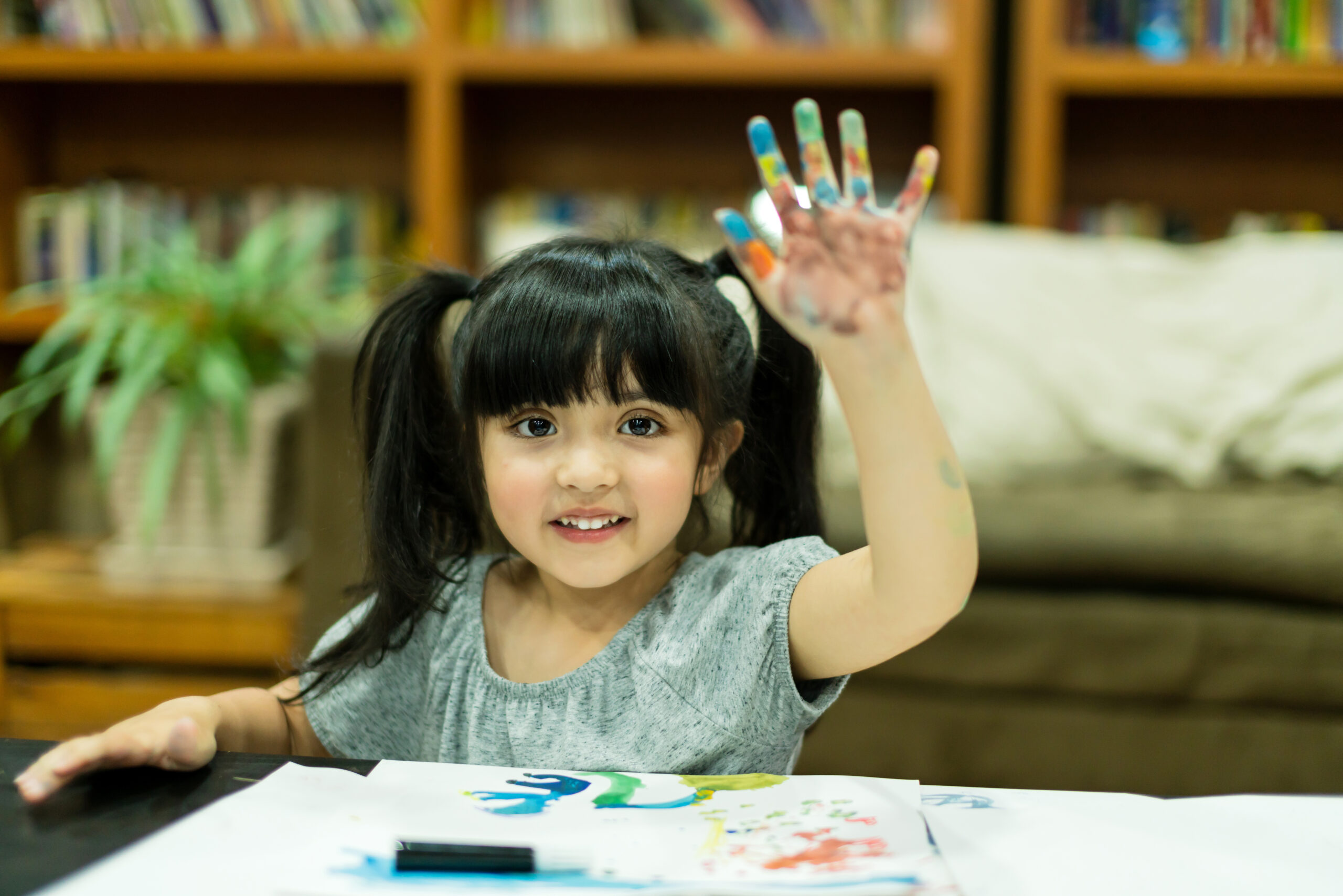
- Creative art and sensory play
We offer many programs for your child. These are::
- Playgroup & Nursery Programs
- Early Childhood Learning Activities
- Creative Development Sessions
- Interactive Indoor & Outdoor Play
- Preschool Skill Development Programs
Simple everyday experiences help children understand the world around them. When learning feels natural and enjoyable, children become more curious, confident, and emotionally strong while building skills for future success.
Looking for a preschool in Wakad, Pune that focuses on practical and joyful learning? Visit Kiddonia Preschool and help your child grow through fun everyday activities and interactive experiences.
#KidsLearning #EverydayLearning #PreschoolInWakad #ChildDevelopment #EarlyEducation #FunLearning #BestPreschoolPune #KiddoniaPreschool
Helping Children Learn Through Everyday Activities
Parents often believe learning only happens in classrooms, with books, worksheets, and structured lessons. The truth is far more exciting. Children absorb knowledge every single day through ordinary moments like helping in the kitchen, sorting laundry, watering plants, or walking through a grocery store. These small daily experiences quietly shape their language skills, emotional intelligence, creativity, memory, and confidence.
For modern parents, especially working families, this approach removes the pressure of turning home into a formal classroom. Instead of forcing learning sessions, everyday life itself becomes the teacher. A child counting tomatoes while shopping is learning math. A toddler helping fold clothes is improving motor skills and memory. A conversation during dinner builds communication and emotional awareness. These natural learning opportunities feel fun instead of stressful, which is exactly why children respond so positively to them.
For families looking for a playful and child-friendly early learning environment, Kiddonia Preschool encourages activity-based learning that supports curiosity, creativity, and confidence in young learners.
Why Everyday Activities Matter in Early Childhood
Childhood learning does not begin when a child enters school. It begins the moment they start interacting with the world around them. Young children constantly observe, imitate, question, and experiment with everyday situations. Something as simple as watching a parent prepare tea or organize groceries becomes a lesson in sequencing, memory, communication, and observation. Early childhood experts consistently explain that children learn faster when experiences are meaningful and connected to real life. This is why play-based and hands-on learning methods are becoming increasingly important in modern preschool education.
Research shared by (Kiddonia Preschool) highlights that everyday conversations, playful interactions, and routine tasks strengthen children’s thinking and emotional skills. Children develop stronger neural connections when they actively participate in activities instead of passively watching screens or memorizing information.
Think about how children learn to speak. Nobody sits them down with grammar books at age two. They learn by hearing conversations repeatedly during meals, shopping trips, bedtime stories, and family discussions. The same principle applies to almost every developmental skill. Repetition through natural routines builds familiarity, comfort, and confidence.
Parents often underestimate the educational power of small moments. A child stirring batter in the kitchen learns coordination and sequencing. Carrying vegetables from the shopping bag teaches responsibility and balance. Even choosing clothes for the day improves decision-making skills. These activities may look ordinary to adults, but for children, they are powerful learning laboratories filled with discovery.
How Children Naturally Learn Through Observation
Children are natural imitators. Before they can even fully communicate, they carefully observe facial expressions, gestures, tone of voice, and routines around them. This is one reason why everyday interactions shape a child’s personality and learning style so strongly. They are constantly collecting information from their environment like tiny scientists studying the world.
When parents include children in household activities, children begin understanding how things work in practical life. For example, a child watching a parent water plants starts learning responsibility and care. A child helping arrange dining plates understands patterns, order, and counting. These are not “formal lessons,” yet they quietly teach valuable life skills that remain useful forever.
Studies on child engagement in daily activities show that children who actively participate in routines often display stronger learning involvement and social behavior. This means learning becomes deeper when children are emotionally and physically involved in an activity rather than simply being instructed.
Observation-based learning also boosts emotional security. Children feel important when adults trust them with simple tasks. Imagine how proud a preschooler feels after helping mix salad ingredients or organize books. That sense of achievement creates confidence, independence, and motivation to explore more.
Parents sometimes worry that learning requires expensive toys or fancy educational products. The reality is simpler. A spoon, a bowl, vegetables, measuring cups, socks to sort, or even leaves collected during a walk can become meaningful educational tools. The world itself becomes the classroom.
Turning Household Chores into Learning Opportunities
Many parents see household chores as interruptions when caring for children. In reality, chores can become some of the most effective learning experiences for young minds. Children love feeling included in “grown-up” activities because participation makes them feel capable and valued. Instead of asking children to sit quietly while work gets done, involving them transforms ordinary moments into playful learning opportunities.
Cooking is one of the best examples. Measuring ingredients introduces early math concepts like counting, size, and quantity. Stirring ingredients improves hand coordination. Naming fruits and vegetables strengthens vocabulary. Following recipe steps teaches sequencing and memory. Even sensory development improves when children smell spices, touch dough, or hear sizzling sounds.
Cleaning activities are equally valuable. Wiping tables, arranging toys, or watering plants builds responsibility and organization skills. Laundry sorting teaches color recognition and matching. Folding clothes improves fine motor skills and concentration. Children are not just “helping”; they are learning through action.
Research on daily routines and preschool learning confirms that engagement in everyday activities positively affects developmental growth. (KIDazzle) Children become more attentive and socially involved when they actively participate in practical routines.The beauty of everyday learning is that it does not feel forced. Children experience joy because they are participating naturally. That excitement creates stronger memory retention compared to repetitive drills or passive learning methods.
Grocery Shopping as a Learning Adventure
A grocery store may look ordinary to adults, but to children, it is a giant classroom full of colors, numbers, textures, and choices. Every aisle offers opportunities for learning. Instead of rushing through shopping while children stare at screens, parents can transform the experience into an interactive educational activity.
Counting fruits helps children practice numbers naturally. Comparing prices introduces basic math understanding. Identifying shapes and colors strengthens observation skills. Asking questions like “Which fruit is bigger?” or “Can you find something green?” encourages critical thinking and language development.
Shopping trips are also excellent opportunities for communication. Parents who involve children in conversations during errands help build vocabulary and listening skills. A simple discussion about why apples are healthy or where milk comes from encourages curiosity about the world.
Experts emphasize that children learn better through real-life experiences than through isolated memorization exercises. When children physically touch, compare, choose, and discuss items, learning becomes memorable because it connects directly to experience.
Shopping can also teach emotional and social lessons. Waiting patiently in lines teaches self-control. Saying “thank you” to cashiers develops politeness and communication confidence. Helping carry small bags creates responsibility and teamwork. These lessons quietly prepare children for school environments and social interactions later in life.
Parents often feel they need extra time for educational activities. Grocery shopping proves otherwise. Learning can happen during activities families already do every week.
Developing Language Skills During Daily Routines
Language development is one of the most important parts of early childhood learning, and daily routines offer endless opportunities to strengthen communication naturally. Children learn words faster when they hear language connected to actions and emotions rather than isolated repetition. This is why talking during everyday activities matters so much.
A parent describing actions while cooking, cleaning, or dressing a child creates powerful language exposure. Sentences like “We are washing the carrots,” or “Let’s put the blue shirt in the cupboard,” help children connect words to meaning. These repeated verbal interactions expand vocabulary and comprehension over time.
Open-ended questions are especially effective because they encourage children to think and express ideas instead of giving one-word answers. Questions like “Why do you think the ice melted?” or “What should we cook today?” stimulate imagination and reasoning. Experts from recommend frequent conversations and storytelling during routines because they strengthen communication and emotional bonding.
Storytelling during daily tasks also boosts creativity. Parents can turn ordinary activities into mini adventures. Folding clothes can become a game about superheroes organizing costumes. Bath time can become an ocean exploration story. These playful interactions help children develop expressive language and imagination simultaneously.
One major advantage of routine-based communication is consistency. Children hear repeated patterns of language every day, which strengthens understanding naturally. Over time, these conversations improve pronunciation, confidence, listening ability, and emotional expression.
How Everyday Activities Improve Problem-Solving Skills
Children develop problem-solving abilities when they are allowed to experiment, make mistakes, and try again. Everyday activities provide perfect opportunities for this type of learning because real life constantly presents small challenges that children must navigate.
Imagine a child trying to stack containers in the kitchen. They quickly learn about balance, size, and structure through trial and error. A child helping set the dining table figures out where objects belong. While gardening, children learn why plants need water and sunlight. These moments encourage curiosity and reasoning in ways worksheets rarely can.
Hands-on experiences are especially effective because children learn by doing. Educational research consistently supports active participation as a stronger learning method compared to passive observation. (Connect Modules) Everyday activities encourage children to ask questions, test ideas, and develop independent thinking.
Parents play an important role here. Instead of immediately solving every problem, guiding children with supportive questions helps build confidence. For example:
- “What do you think will happen if we add more water?”
- “How can we make this tower stronger?”
- “Which container will hold more rice?”
These questions encourage children to think critically instead of depending entirely on adults for answers.
Problem-solving skills developed during childhood later influence academic performance, emotional resilience, and decision-making abilities. Everyday learning activities quietly prepare children for these future challenges while still feeling playful and enjoyable.
Emotional and Social Benefits of Daily Learning
Everyday learning is not only about academics. It also shapes emotional intelligence, confidence, and social behavior. Children who participate in routines often feel more secure because they understand their environment and know what to expect. Predictable routines create emotional stability, especially for preschool-aged children.
Recent reports highlight that routines help children feel emotionally safe and connected. (When children repeatedly participate in family activities, they develop trust, comfort, and belonging. Simple habits like bedtime stories, shared meals, and helping with chores become emotionally meaningful rituals.
Participation also boosts self-esteem. Imagine a child proudly telling relatives, “I helped make dinner!” That pride matters deeply. Children gain confidence when adults value their contributions. Even small responsibilities make them feel capable and important.
Social development improves too. Activities involving teamwork teach cooperation, patience, sharing, and communication. Cooking together requires listening and turn-taking. Grocery shopping encourages polite interactions. Group cleanup activities teach collaboration.
Research also suggests that engaged children often display improved prosocial behavior and learning outcomes. This means everyday participation supports both emotional growth and educational development simultaneously.
In many ways, family routines act like invisible threads weaving emotional security into a child’s daily life. These experiences create memories, strengthen relationships, and shape how children view themselves and others.
Reducing Screen Time with Hands-On Activities
Modern parents face one major challenge: excessive screen time. Phones, tablets, and television often replace interactive play because they provide quick entertainment. However, experts warn that reduced playtime can negatively affect language, literacy, and social development.
Hands-on activities offer a healthier alternative because they actively involve children’s minds and bodies. Building blocks, pretend play, cooking, gardening, drawing, and outdoor exploration encourage creativity and engagement far more effectively than passive screen watching.
Interestingly, surveys show children often enjoy interactive activities more than adults assume. Creative play, arts, crafts, and sensory experiences consistently rank among children’s favorite activities. This means reducing screen dependency does not require complicated strategies. Often, children simply need meaningful engagement.
Parents can make routines playful without spending money:
- Turn cleaning into a race
- Create treasure hunts during walks
- Use storytelling during bedtime
- Let children help prepare snacks
- Play counting games while shopping
These activities stimulate multiple senses simultaneously, which strengthens brain development. Unlike screens, hands-on experiences involve movement, communication, touch, and emotional interaction all at once.
The goal is not eliminating technology entirely. Balance matters. But children benefit most when real-world exploration remains the center of their learning experiences.
Role of Preschool in Supporting Everyday Learning
Preschool environments play a major role in extending the everyday learning approach beyond home routines. Quality preschools encourage activity-based learning where children explore, communicate, create, and solve problems through hands-on experiences rather than memorization alone.
At Kiddonia Preschool, children are encouraged to learn through interactive experiences that support creativity, communication, and emotional development. Preschool activities combined with home-based learning create consistency that helps children feel secure and confident.
Preschool routines often mirror everyday learning principles:
- Circle time improves communication
- Story sessions build imagination
- Art activities strengthen creativity
- Outdoor play develops coordination
- Group games encourage teamwork
Children benefit greatly when parents and preschool teachers work together. Research discussions among parents also highlight that the best learning happens when schools and families support each other instead of working separately.
A strong preschool environment does not replace parental involvement. Instead, it complements it. Home routines provide emotional security and real-life experiences, while preschool introduces structured social learning and guided exploration. Together, they create a balanced developmental foundation.
Simple Everyday Activities Parents Can Start Today
Many parents assume educational activities require complicated planning. The truth is that small consistent interactions often matter more than elaborate setups. The easiest way to encourage learning is by involving children in activities already happening daily.
Morning routines can become learning moments. Asking children to choose clothes teaches decision-making and color recognition. Counting toothbrush strokes introduces numbers. Talking about weather while getting ready improves observation and vocabulary.
Outdoor exploration is equally powerful. Nature walks encourage curiosity and sensory learning. Children notice birds, leaves, insects, sounds, and textures. These experiences improve observation skills and creativity while also supporting physical health.
The secret is consistency, not perfection. Children do not need nonstop entertainment or expensive educational kits. They need conversation, interaction, exploration, and opportunities to participate.
Learning hidden inside everyday life often becomes the most meaningful because children experience it naturally instead of feeling pressured.
Conclusion
Children learn best when learning feels natural, playful, and connected to real life. Everyday routines provide endless opportunities for growth without needing formal lessons or expensive educational tools. Cooking, shopping, cleaning, storytelling, gardening, and even simple conversations can quietly build language skills, confidence, memory, creativity, and problem-solving abilities.
Modern childhood often becomes overloaded with screens and structured schedules, yet some of the strongest learning experiences still happen in ordinary family moments. A child helping wash vegetables or organize toys may seem small to adults, but these moments shape independence, emotional security, and curiosity.
Parents do not need to become professional teachers. They simply need to invite children into daily life with patience, conversation, and encouragement. When children feel included, they learn naturally because curiosity is already built into childhood itself.
Preschools like Kiddonia Preschool further support this philosophy by creating playful, engaging environments where learning happens through exploration and interaction rather than pressure.
The most powerful classroom for a child is often not a classroom at all. It is the kitchen, the garden, the grocery store, the living room, and the everyday experiences shared with caring adults.
FAQs
1. Why are everyday activities important for child development?
Everyday activities help children develop language, motor skills, emotional intelligence, confidence, and problem-solving abilities naturally through real-life experiences.
2. How can parents make household chores educational?
Parents can involve children in cooking, cleaning, laundry sorting, gardening, and organizing tasks while encouraging counting, conversation, and observation.
3. Does play-based learning really improve academic skills?
Yes. Research shows that play-based and hands-on learning strengthen memory, creativity, communication, and cognitive development in young children.
4. How can parents reduce screen time through everyday learning?
Interactive activities like storytelling, outdoor play, pretend games, cooking, and creative arts provide engaging alternatives to screens while supporting development.
5. What role does preschool play in everyday learning?
Preschools support social interaction, communication, creativity, and structured exploration while reinforcing the learning children experience at home.