Parents do not just look for a daycare anymore. They look for a second home. A place where their child feels protected, loved, heard, and encouraged every single day. In today’s fast-moving world, choosing the right childcare center has become one of the biggest decisions families make. A safe and caring daycare environment is no longer considered a bonus. It is the foundation of healthy childhood development.
Modern daycare centers now focus on both physical safety and emotional well-being. Research and childcare standards in 2026 continue to highlight the importance of lower teacher-to-child ratios, proper hygiene practices, secure classroom layouts, and nurturing relationships between caregivers and children. According to recent childcare safety guidelines, smaller group sizes help children receive more personal attention, stronger supervision, and better emotional support.
For parents searching for trusted childcare options, centers like Kiddonia Preschool represent the growing shift toward holistic childcare environments that combine learning, safety, emotional care, and structured routines. Children thrive when they feel emotionally secure, and that sense of security begins with the environment around them.
Why Daycare Safety Matters More Than Ever
The meaning of childcare has changed dramatically over the last few years. Parents today are not only concerned about academics or basic supervision. They want reassurance that their child is emotionally supported, physically protected, and genuinely cared for throughout the day. A daycare center must feel warm and welcoming while also maintaining professional safety standards. Think about it this way. If a child spends eight to ten hours daily in a daycare environment, that place becomes a major part of their emotional world.
Modern childcare research safe environments help children become more confident, social, and emotionally stable. When children consistently experience positive interactions with caregivers, they begin building trust and emotional resilience at an early age. Experts also emphasize that emotional safety is just as important as physical security because children learn best when they feel calm and secure.
Parents are also becoming more aware of daycare licensing, staff qualifications, and classroom safety practices. Recent daycare checklists and childcare reports highlight that families now actively ask about staff background checks, emergency preparedness, hygiene routines, and classroom supervision policies before enrollment. This growing awareness is pushing quality daycare centers to raise their standards and provide environments where children can safely learn, play, and grow.
The Growing Expectations of Modern Parents
Today’s parents are deeply involved in their child’s development journey. They want transparency, regular updates, and confidence that their child is not simply being watched but truly nurtured. Many families now prioritize emotional warmth alongside structured learning programs. They look for caregivers who communicate patiently, encourage independence, and build genuine relationships with children.
This shift is important because early childhood experiences shape a child’s future behavior, learning habits, and social confidence. A caring daycare environment acts like fertile soil for a growing plant. Without proper care, even the strongest seeds struggle to bloom. Children need affection, consistency, and encouragement just as much as they need educational activities.
How Early Childhood Experiences Shape Development
Scientists and child development specialists continue to stress that the first five years of life are critical for brain development. During these years, children absorb emotional patterns, language skills, and social behaviors rapidly. A stressful or unsafe environment can affect their emotional growth, while a caring and predictable environment builds confidence and stability.
This is why quality daycare centers focus heavily on emotional regulation, social learning, and positive teacher-child interactions. Children who feel valued are more likely to participate in activities, develop communication skills, and build healthy friendships.
Understanding a Truly Safe Daycare Environment
A truly safe daycare environment goes far beyond locked doors and clean classrooms. Safety includes every detail that influences a child’s daily experience. From secure entrances to emotional reassurance, every part of the daycare setting contributes to a child’s comfort and protection.
Physical safety begins with thoughtful classroom design. Furniture should be child-friendly with rounded edges and age-appropriate materials. Electrical outlets must be covered, play areas should remain clutter-free, and emergency exits need to be accessible. Modern daycare safety checklists also recommend secure entry systems, visitor monitoring, and constant supervision to reduce risks.
At the same time, emotional safety matters equally. A child who fears being ignored or scolded may struggle socially and academically. Caring daycare centers create emotionally safe spaces by encouraging kindness, patience, and positive communication. Teachers guide children gently rather than using fear-based discipline methods.
Physical Safety Inside the Classroom
Classroom organization plays a huge role in childcare safety. Toys should be sorted by age group to avoid choking hazards. Cleaning supplies and medications must remain locked away from children. Nap areas should follow safe sleeping standards with proper bedding and ventilation.
Recent childcare licensing updates also emphasize the importance of fire evacuation plans, emergency preparedness kits, hygienic diaper-changing procedures, and clean sleeping equipment.These measures may seem simple, but together they create a secure environment that protects children daily.
Emotional Safety and Child Confidence
Children are emotionally sensitive, especially during their preschool years. They notice tone of voice, facial expressions, and caregiver reactions very quickly. A nurturing daycare environment helps children express themselves without fear of embarrassment or punishment.
Positive reinforcement is one of the most effective ways to build confidence in young children. Encouraging words, supportive guidance, and patient teaching create an atmosphere where children feel capable and valued. Over time, this emotional support strengthens self-esteem and social confidence.
Importance of Teacher-to-Child Ratios
One of the strongest indicators of daycare quality is the teacher-to-child ratio. Smaller ratios allow caregivers to give more attention, better supervision, and faster responses to children’s needs. Recent childcare research confirms that lower ratios improve safety, language development, emotional bonding, and learning outcomes.
Imagine one caregiver trying to manage too many toddlers at once. Even with the best intentions, it becomes difficult to respond immediately when a child needs comfort, assistance, or supervision. Smaller group sizes reduce stress for both children and teachers while creating calmer learning environments.
How Smaller Ratios Improve Childcare Quality
When caregivers have fewer children to supervise, they can focus more deeply on individual development. They notice emotional changes faster, support language growth more effectively, and create stronger personal connections with each child. This personalized care is especially important for infants and toddlers who require constant attention.
According to childcare safety recommendations, infants should ideally have one caregiver for every three or four babies, while preschool children require smaller groups for better supervision and social interaction. These ratios are not random numbers. They are designed around child development research and safety standards.
Hygiene and Health Practices in Daycare Centers
Children explore the world with their hands, curiosity, and endless energy. Because of this, hygiene practices in daycare centers are incredibly important. A clean environment protects children from illness while also teaching healthy habits from an early age.
Modern daycare centers now follow strict cleaning and sanitization procedures. Toys, furniture, washrooms, and sleeping areas require regular disinfection throughout the day. Health guidelines also recommend hygienic diaper-changing procedures, properly stored bedding, and safe food preparation standards.
Parents today are especially aware of infection control and illness prevention. A daycare that openly communicates health policies builds greater trust with families. Children also benefit because consistent hygiene routines help reduce the spread of common illnesses.
Daily Cleaning and Sanitization Standards
A quality daycare center should maintain visible cleanliness at all times. Floors must be cleaned regularly, toys sanitized daily, and shared surfaces disinfected frequently. Handwashing routines should become part of the child’s everyday schedule, especially before meals and after outdoor activities.
Children learn by imitation. When caregivers consistently model proper hygiene practices, children naturally begin adopting those habits themselves. This creates healthier routines both inside the daycare and at home.
Health Screening and Illness Prevention
Health screening policies are equally important. Many daycare centers now perform quick daily wellness checks to identify symptoms such as fever, cough, or unusual fatigue. Children who are unwell should remain at home to protect the larger group.
Recent childcare regulations also stress the importance of emergency preparedness and proper health documentation.These procedures help ensure that children receive immediate attention during medical situations while keeping the environment safe for everyone.
Creating Emotional Security for Young Children
Young children crave predictability. Routine helps them understand what comes next, which creates a feeling of emotional stability. In daycare settings, structured schedules help children feel calm, prepared, and secure throughout the day.
A predictable routine works almost like a roadmap for children. Morning greetings, snack times, learning activities, outdoor play, naps, and story sessions create consistency. When children know what to expect, anxiety decreases and confidence grows.
Emotional security also comes from relationships. Children build trust when caregivers respond warmly and consistently to their needs. This trust becomes the emotional foundation that supports learning, social interaction, and independence.
Predictable Routines and Structure
Children thrive in environments where routines remain consistent. Structured schedules reduce confusion and behavioral stress because children understand transitions and expectations. Even simple rituals like singing a cleanup song or reading before nap time create emotional comfort.
Caregivers also use routines to teach responsibility and independence. Over time, children begin understanding classroom expectations naturally instead of feeling constantly corrected.
Positive Communication Between Teachers and Children
The way caregivers speak to children matters deeply. Gentle tones, encouraging words, and active listening help children feel respected and understood. Positive communication teaches children how to express emotions appropriately while strengthening their confidence.
Children who receive emotional support are more likely to cooperate, participate socially, and adapt comfortably to new situations.
Role of Play in a Caring Daycare Environment
Play is not just entertainment for children. It is one of the most powerful learning tools in early childhood education. Through play, children develop creativity, communication skills, emotional intelligence, and problem-solving abilities.
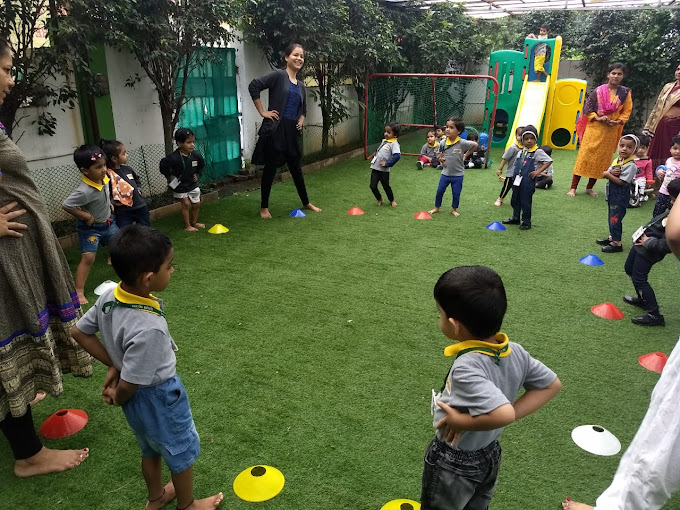
A caring daycare environment encourages both structured and free play activities. Teachers guide children through storytelling, sensory play, music, art, and outdoor games while also allowing opportunities for independent exploration.
Learning Through Play-Based Activities
Play-based learning keeps children engaged because it feels natural and enjoyable. Building blocks improve coordination and problem-solving skills. Pretend play strengthens imagination and communication. Group games teach patience, teamwork, and emotional regulation.
Children learn best when education feels exciting rather than forced. A quality daycare environment balances learning goals with joyful experiences.
Social and Emotional Growth Through Group Play
Group play teaches children how to interact with others respectfully. Sharing toys, waiting for turns, and solving conflicts are important social skills developed during early childhood.
Caregivers play a major role by guiding children through social interactions with patience and encouragement. Over time, these experiences help children become more empathetic and emotionally aware.
Safe Indoor and Outdoor Learning Spaces
Children need environments where they can explore safely and confidently. Indoor classrooms should encourage curiosity without exposing children to unnecessary risks. Outdoor spaces should allow active play while maintaining strong supervision standards.
Safe daycare design combines functionality with creativity. Bright classrooms, organized learning zones, secure play equipment, and comfortable nap spaces create positive learning experiences.
Child-Friendly Furniture and Equipment
Furniture should match children’s size and developmental needs. Shelves must remain stable, toys should be non-toxic, and play materials should be inspected regularly for damage.
Quality daycare centers also separate activities into designated zones such as reading corners, sensory play areas, and creative learning spaces.
Outdoor Safety Measures and Supervision
Outdoor play supports physical health, confidence, and social development. However, safety remains critical. Playgrounds should have soft surfaces, secure fencing, and age-appropriate equipment.
Constant supervision is essential because young children can move unpredictably. Proper staffing ratios outdoors help caregivers respond quickly during accidents or conflicts.
Parent Communication and Trust Building
Strong communication between parents and daycare providers creates better childcare experiences for everyone involved. Parents feel more confident when they receive regular updates about their child’s activities, mood, meals, and development.
Trust grows through transparency. Quality daycare centers openly discuss routines, safety procedures, and developmental milestones with families. Parents should feel comfortable asking questions and sharing concerns.
Daily Updates and Transparency
Daily communication can happen through conversations, apps, photos, or written reports. These updates help parents stay emotionally connected to their child’s daycare experience.
Transparency also builds accountability. Parents appreciate daycare centers that clearly explain policies, safety procedures, and classroom expectations.
Parent Involvement in Early Learning
Children benefit when parents and teachers work together as a team. Parent involvement strengthens consistency between home and daycare routines.
Simple activities like parent-teacher meetings, classroom events, or shared learning goals create stronger partnerships that support child development.
Choosing the Right Daycare for Your Child
Finding the right daycare can feel overwhelming because every center presents itself positively. Parents should focus on observing real interactions rather than marketing alone.
Watch how caregivers speak to children. Observe classroom cleanliness, emotional atmosphere, and supervision practices. A safe daycare environment should feel calm, organized, and welcoming.
Important Questions Parents Should Ask
Parents should ask questions such as:
- What are your teacher-to-child ratios?
- How do you handle emergencies?
- What hygiene and illness policies do you follow?
- How do caregivers communicate with parents?
- What learning methods do you use?
- How do you comfort upset children?
These conversations help parents make informed decisions based on safety, emotional care, and educational quality.
Conclusion
A safe and caring daycare environment shapes far more than a child’s daily routine (Kiddonia Preschool). It influences emotional confidence, social development, communication skills, and overall well-being. Children thrive when they feel protected, valued, and encouraged by the people around them.
Modern daycare centers must balance physical safety with emotional nurturing. Secure classrooms, proper teacher-to-child ratios, strong hygiene practices, structured routines, and loving caregiver relationships all work together to create healthy childhood experiences.
Parents deserve peace of mind knowing their child is spending the day in an environment built around safety, learning, kindness, and trust. When daycare centers prioritize both emotional and physical care, children gain the confidence to explore, learn, and grow into happy, capable individuals.
FAQs
1. Why are teacher-to-child ratios important in daycare centers?
Smaller teacher-to-child ratios improve supervision, emotional support, safety, and learning quality. Children receive more individual attention and stronger caregiver relationships.
2. What should parents look for during a daycare visit?
Parents should observe cleanliness, classroom organization, caregiver interactions, safety measures, staff behavior, and overall emotional atmosphere.
3. How do daycare routines help children?
Predictable routines create emotional stability and reduce anxiety. Children feel more secure when they understand daily schedules and expectations.
4. Why is emotional safety important in childcare?
Emotionally safe environments help children build confidence, communication skills, trust, and healthy social behaviors.
We Have an Caring Place For Young Children at Our Daycare in Wakad Pune
When you leave your child at a daycare you want to know they are safe and happy. This is what we do at Kiddonia Preschool in Wakad, Pune. We make sure your child gets the care they need. Our daycare is a place where children can play and learn.
Many parents who work worry about their child when they are at daycare. They want to know their child is safe and having fun. At our daycare we have people who care about your child. We have fun things for them to do and a safe place for them to play.
What We Offer:
• Our daycare is safe
•Our staff are kind and experienced
•We have special rooms for kids to play and learn
•We have cameras to keep an eye on everything
•We have fun activities for kids to do
•We have routines that are easy for kids to follow
Things We Do For You:
• We have daycare all day or just for part of the day
• We have preschool and daycare together
• We have fun things to do inside and outside
• We help kids when they are little
• We have times for kids to play and learn new things
You want your child to be loved and safe when you are not there. Our daycare helps kids feel good about themselves and makes them brave. You can feel good when you leave your child with us.
If you need a daycare in Wakad, Pune for your child come and see us at Kiddonia Preschool & Daycare. We care about your child. Want to help them learn and have fun.
#DaycareThatIsSafe #ChildcareYouCanTrust #DaycareInWakad #KidsAreImportant #ParentsWhoWork #PreschoolAndDaycare #HelpingKidsGrow #KiddoniaPreschool