Discover how preschool helps children develop strong social and communication skills through group activities, learning, play, and interaction Preschool Improves Social and Communication Skills. Learn why early childhood education is important for confidence and emotional growth. Preschool Improves Social and Communication Skills.
Parents often wonder whether preschool is really necessary before formal schooling begins. After all, children can learn colors, numbers, and nursery rhymes at home too. But preschool offers something far more valuable than academic basics. It creates a foundation for social growth, emotional confidence, and communication skills that shape a child’s future personality and success.
Table of Contents
Today, experts in early childhood education emphasize that the preschool years are critical for language development and social interaction. Recent studies show that many children entering school struggle with speech, emotional regulation, and peer interaction because they lack consistent group learning experiences. That is exactly where preschool becomes powerful. Through structured activities, storytelling, teamwork, and guided play, children learn how to express themselves clearly and connect with others naturally.
For parents exploring quality early education options like Kiddonia Preschool, understanding the social and communication benefits of preschool can make the decision easier and more meaningful. Preschool Improves Social and Communication Skills.
Why Early Childhood Development Matters
The first five years of a child’s life are often compared to laying the foundation of a house. If the base is strong, everything built afterward becomes stable and secure. During early childhood, the brain develops rapidly, forming connections that influence learning, behavior, emotional intelligence, and communication abilities. Researchers consistently highlight that children absorb language and social behaviors much faster during these early years than later in life.
Think about how quickly toddlers imitate adults. They copy gestures, words, facial expressions, and even emotional reactions. Preschool takes advantage of this natural learning phase by placing children in environments where positive social interactions happen daily. Instead of learning only from parents or siblings, children begin interacting with peers from different backgrounds and personalities. This exposure helps them adapt to group settings and become more socially aware Preschool Improves Social and Communication Skills.
Many parents notice that children who attend preschool become more confident while talking to others. They start greeting people independently, asking questions, and expressing their opinions openly. These may seem like small milestones, but they build the confidence needed for school and life. A child who learns to communicate early is often better prepared for teamwork, leadership, and emotional resilience later on.
Recent reports also reveal a growing concern among educators about children entering school with delayed communication skills and limited social exposure. (Kiddonia Preschool) Preschool addresses this challenge by encouraging constant interaction through play, storytelling, singing, and collaborative activities. In many ways, preschool acts like a social training ground where children practice communication naturally without pressure. Preschool Improves Social and Communication Skills.
The Brain Development Stage Before Age Five
Experts frequently refer to early childhood as the “golden period” of learning. During these years, children’s brains develop at an extraordinary speed. Language recognition, emotional understanding, memory, and social awareness all expand simultaneously. This is why preschool experiences often leave lasting impacts on personality and behavior.
A classroom environment stimulates multiple senses at once. Children hear stories, sing songs, participate in conversations, and observe how others communicate. These repeated interactions strengthen vocabulary and comprehension. Preschool also teaches children how to interpret tone, facial expressions, and gestures, which are essential parts of communication that many adults take for granted Preschool Improves Social and Communication Skills.
Why Social Skills Are Learned Early
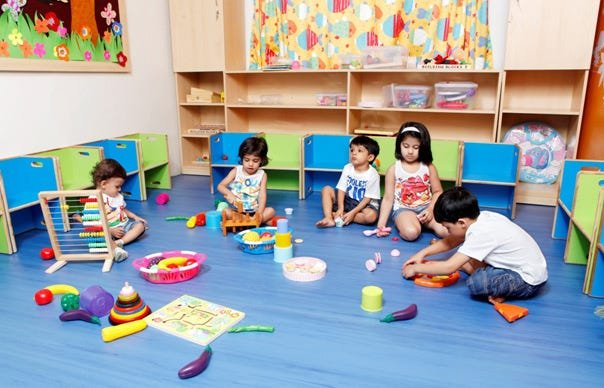
Social skills are not magically developed overnight. Children learn them through repeated experiences and observation. Preschool introduces routines that require cooperation and patience. Whether children are waiting for their turn on a slide or sharing crayons during art time, they are learning social responsibility in real time.
This early exposure helps children feel comfortable in group environments. They begin understanding personal boundaries, empathy, and respectful communication. Over time, these small daily interactions shape how children handle friendships and relationships throughout life Preschool Improves Social and Communication Skills.
What Children Learn in Preschool Beyond Academics
A common misconception is that preschool focuses mainly on alphabets, counting, and basic writing. While academics are certainly introduced, the real value of preschool lies in the development of interpersonal skills. Children learn how to function within a community, communicate effectively, and manage emotions constructively.
Imagine a child entering preschool for the first time. Initially, they may feel shy, clingy, or hesitant to speak. Within weeks, many children begin participating in activities, singing in groups, and making friends. This transformation happens because preschool creates safe opportunities for interaction. Teachers gently encourage participation while peers provide social motivation.
Play-based learning is especially powerful. Research shows that structured play improves social competence and collaborative skills among preschoolers. Kiddonia Preschool Activities like building blocks, role-playing, and group games require communication and cooperation. Children naturally learn to negotiate, solve problems, and express their ideas while having fun Preschool Improves Social and Communication Skills.
Preschool also introduces routines and discipline in a healthy way. Children learn to listen to instructions, follow schedules, and respect shared spaces. These experiences strengthen listening skills and improve their ability to process verbal communication. Over time, children become better at understanding conversations and responding appropriately. Preschool Improves Social and Communication Skills.
Learning Through Play
Children do not learn best by memorizing information at a desk for hours. They learn through curiosity, movement, and interaction. Preschool classrooms use games and imaginative play to teach communication naturally. A pretend grocery store activity, for example, encourages children to ask questions, answer politely, and engage in conversations Preschool Improves Social and Communication Skills.
These playful situations build language skills without children even realizing they are learning. It feels exciting rather than forced, which makes communication development more effective Preschool Improves Social and Communication Skills.
Building Confidence Through Interaction Preschool Improves Social and Communication Skills
Confidence grows through experience. Preschool provides daily opportunities for children to speak, perform, and interact. Whether introducing themselves during circle time or answering a teacher’s question, children practice expressing their thoughts publicly.
Over time, shy children often become more comfortable communicating with adults and peers alike. This confidence can positively affect academic performance and emotional well-being later in school Preschool Improves Social and Communication Skills.
How Preschool Improves Social and Communication Skills
One of the biggest advantages of preschool is the opportunity for children to interact consistently with peers. At home, children may primarily communicate with adults who naturally adjust conversations to suit them. In preschool, children encounter different personalities, communication styles, and emotional reactions. This diversity teaches adaptability and patience.
Sharing is one of the first social lessons preschoolers learn. Young children naturally want immediate access to toys and attention. Preschool helps them understand that others have needs too. Through guided interactions, teachers encourage children to wait patiently, share materials, and cooperate during activities.
Conflict resolution is another important skill developed in preschool. Disagreements are inevitable when children play together. Instead of avoiding these moments, preschool teachers use them as learning opportunities. Children are encouraged to use words instead of aggression to express frustration or solve misunderstandings. These experiences help build emotional intelligence and self-control.
Friendship formation also plays a significant role in social development. Children learn how to invite others to play, comfort upset classmates, and celebrate achievements together. These interactions strengthen empathy and emotional awareness, helping children understand feelings beyond their own perspective. Preschool Improves Social and Communication Skills.
Sharing and Taking Turns Preschool Improves Social and Communication Skills
For toddlers, waiting even thirty seconds can feel like forever. Preschool gradually teaches patience through games, classroom routines, and group tasks. Children begin realizing that cooperation creates a more enjoyable environment for everyone.
Simple actions like passing crayons or waiting in line teach valuable life lessons about fairness and respect.
Teamwork and Cooperation
Group projects encourage children to communicate ideas and listen to others. Whether building a puzzle together or participating in a dance activity, preschoolers discover the importance of collaboration.
These experiences prepare children for future academic and workplace environments where teamwork becomes essential.
Conflict Resolution Among Children
Conflict is actually an important part of social learning. Preschool helps children navigate disagreements constructively rather than emotionally. Teachers guide children toward using phrases like “Can I have a turn?” or “I didn’t like that.”
This communication practice helps children become calmer and more thoughtful in social situations. Preschool Improves Social and Communication Skills.
How Preschool Improves Communication Skills
Communication is more than simply speaking clearly. It involves listening, understanding emotions, interpreting body language, and expressing ideas confidently. Preschool strengthens all these abilities through constant interaction and structured learning experiences.
Storytelling is one of the most effective communication tools used in preschool classrooms. When teachers read stories aloud, children are introduced to new vocabulary, sentence structures, and emotional expressions. Asking children questions during stories encourages active participation and comprehension. Over time, children begin forming longer sentences and expressing ideas more clearly.
Circle time also plays a major role in communication development. During these sessions, children practice speaking in front of groups, listening attentively, and responding respectfully. These activities improve focus and conversational etiquette, skills that remain valuable throughout life.
Teachers also encourage self-expression through art, music, and pretend play. A child acting as a doctor during role-play learns how to ask questions, explain ideas, and interact socially. These imaginative scenarios strengthen verbal communication naturally and effectively.
Vocabulary Expansion Through Storytelling
Books expose children to words they may not hear regularly at home. Preschool storytelling sessions help children connect words with emotions, actions, and situations. This repeated exposure improves language fluency and comprehension.
Children who develop strong vocabulary skills early often become more confident readers and communicators later in school.
Listening and Understanding Instructions
Listening is an underrated communication skill. Preschool routines require children to pay attention to instructions and respond appropriately. Activities like games and classroom tasks improve concentration and comprehension simultaneously.
Strong listening skills help children succeed academically and socially because they learn how to process information effectively.
Encouraging Self-Expression
Many children struggle to explain emotions or ideas initially. Preschool creates supportive opportunities for expression through discussions, singing, storytelling, and creative activities.
The more children practice speaking openly, the more confident and emotionally secure they become.
Group Activities That Strengthen Communication
Preschool classrooms are filled with interactive experiences designed to promote conversation and cooperation. These activities create opportunities for children to communicate naturally rather than mechanically. Unlike memorized lessons, group interactions involve real emotions, reactions, and problem-solving situations.
Role-play is particularly effective because children immerse themselves in imaginative scenarios. Pretending to run a restaurant or act as firefighters encourages children to ask questions, negotiate roles, and explain ideas. This strengthens vocabulary and conversational confidence simultaneously.
Music and rhymes also contribute significantly to communication development. Songs improve pronunciation, rhythm, and memory. Children often feel more relaxed singing in groups, which encourages participation even among shy learners.
Interactive classroom discussions further enhance communication skills. Teachers ask open-ended questions that encourage children to think critically and express opinions. This process builds confidence while improving language structure and clarity.
Role-Play and Pretend Games Preschool Improves Social and Communication Skills
Pretend play allows children to explore communication creatively. A child pretending to be a shopkeeper learns how to greet customers, answer questions, and maintain conversations.
These playful interactions develop communication skills in a way that feels natural and enjoyable.
Music, Rhymes, and Circle Time
Songs and rhymes strengthen pronunciation and listening abilities. Repetition helps children remember words and sentence patterns more effectively.
Circle time also teaches children how to participate respectfully in group conversations, an essential life skill.
Interactive Classroom Discussions Preschool Improves Social and Communication Skills
Open discussions encourage children to express independent thoughts. Teachers often ask questions like, “How would you help a sad friend?” These conversations build empathy and emotional awareness alongside communication skills.
Children gradually become more comfortable sharing opinions and participating actively.
Emotional Development and Empathy in Preschool
Social and communication skills are closely connected to emotional development. Children who understand emotions are usually better communicators because they can express feelings appropriately and respond empathetically to others.
Preschool environments expose children to a wide range of emotions daily. One child may feel excited, another frustrated, and another nervous. Teachers help children recognize and discuss these emotions openly. This emotional vocabulary is incredibly important because children who can identify feelings are often better at managing them.
Empathy also develops through shared experiences and friendships. When a classmate falls or feels upset, children learn to comfort and support one another. These moments may seem simple, but they teach compassion and kindness in powerful ways.
Studies on preschool social-emotional programs show positive long-term effects on emotional understanding and behavioral adjustment. Kiddonia Preschool demonstrates that emotional learning during preschool years can shape future relationships and communication habits significantly.
Recognizing Emotions
Children often experience strong emotions without understanding them fully. Preschool teachers guide children toward identifying feelings like happiness, sadness, anger, and excitement.
This awareness improves emotional regulation and reduces frustration-driven behavior Preschool Improves Social and Communication Skills.
Building Friendships
Friendships teach children trust, cooperation, and empathy. Preschool creates countless opportunities for children to bond through play and shared activities.
These relationships help children feel emotionally secure and socially connected Preschool Improves Social and Communication Skills.
The Role of Teachers in Social Development
Preschool teachers play an essential role in shaping communication and social behavior. They act as role models, guides, and emotional supporters simultaneously. Children carefully observe how teachers speak, solve conflicts, and encourage participation.
Effective preschool educators use positive reinforcement to build confidence. Instead of criticizing mistakes harshly, they guide children patiently toward better communication habits. Research also highlights the importance of pedagogical communication skills among preschool teachers in supporting children’s development.
Teachers also encourage inclusive interactions. They help shy children join group activities and teach more outspoken children how to listen respectfully. This balanced guidance creates healthier classroom communication dynamics Preschool Improves Social and Communication Skills.
Guided Communication Techniques
Teachers often model polite language and active listening. Children imitate these behaviors naturally, improving their own communication skills over time.
Consistent guidance helps children develop respectful conversation habits early in life.
Positive Reinforcement and Encouragement
Praise and encouragement motivate children to communicate confidently. A supportive teacher can transform a hesitant child into an enthusiastic participant.
Positive experiences with communication build long-term self-esteem Preschool Improves Social and Communication Skills.
Choosing the Right Preschool for Your Child
Not all preschools offer the same environment or teaching philosophy. Parents should look for schools that prioritize emotional and social development alongside academics. A balanced preschool focuses on communication, creativity, and interactive learning rather than only worksheets and memorization Preschool Improves Social and Communication Skills.
Observe how teachers interact with children. Are conversations respectful and encouraging? Do children appear engaged and comfortable? These details often reveal the quality of the learning environment.
Schools like Kiddonia Preschool emphasize structured learning combined with play-based development, helping children build strong communication and social foundations during their most important developmental years. Preschool Improves Social and Communication Skills.
Features Parents Should Look For
A good preschool should include the following:
- Interactive learning activities
- Experienced and caring teachers
- Safe and welcoming classrooms
- Opportunities for teamwork and communication
- Balanced focus on academics and emotional growth
Parents should also consider class size, teaching methods, and overall classroom atmosphere before making a decision. Preschool Improves Social and Communication Skills.
Conclusion
Preschool is far more than a stepping stone to kindergarten. It is a powerful environment where children develop the social confidence and communication abilities that shape their future relationships and success. Through storytelling, role-play, teamwork, music, and guided interaction, preschool helps children learn how to express themselves clearly, build friendships, and understand emotions.
In today’s world, where communication and emotional intelligence matter more than ever, preschool provides children with essential life skills at the perfect stage of development. Children who attend quality preschool programs often become more confident, empathetic, cooperative, and expressive individuals.
For parents seeking a nurturing environment that supports overall growth, choosing the right preschool can make a lifelong difference in a child’s emotional and social journey Preschool Improves Social and Communication Skills.
FAQs
1. How does preschool help shy children communicate better?
Preschool provides regular opportunities for shy children to interact with peers and teachers in a supportive environment. Activities like storytelling, group games, and circle time gradually build confidence and communication comfort.
2. What social skills do children learn in preschool?
Children learn sharing, teamwork, empathy, patience, listening, cooperation, and conflict resolution. These skills are developed naturally through daily interaction and play.
3. Why is communication development important in preschool?
Strong communication skills help children express emotions, understand instructions, build friendships, and perform better academically. Early communication development also supports emotional confidence.
4. Are play-based activities effective for social learning?
Yes. Research shows that play-based activities improve social interaction, cooperation, and emotional understanding among preschoolers.
5. What should parents look for in a preschool?
Parents should choose a preschool with experienced teachers, interactive activities, a safe environment, and a balanced approach to academics, communication, and emotional development.