Discover the importance of creative activities in early childhood and how art, music, storytelling, and play help improve creativity, learning, communication, confidence, and overall child development in Creative Activities in Early Childhood.
Childhood is often compared to planting seeds in a garden. Whatever is nurtured during the early years tends to grow deeply and shape the future of a child. One of the most valuable seeds parents and educators can plant is creativity. Creative activities in early childhood are not just about making colorful paintings or singing nursery rhymes. They are powerful learning experiences that help children think independently, solve problems, express emotions, and communicate confidently. From finger painting and storytelling to pretend play and dancing around the room, every creative moment contributes to a child’s overall development.
Table of Contents
Recent studies continue to highlight the importance of creativity in preschool education. Research published in 2025 found that creative learning environments improve problem-solving ability, emotional growth, and social interaction among preschool children. Another study examining early childhood creativity between 2015 and 2025 showed that creativity strongly influences cognitive growth and lifelong learning habits. These findings confirm what many parents and teachers already observe every day: children learn best when they are encouraged to imagine, explore, and create freely.
In today’s world, many young children are exposed to screens and structured learning too early. While academics are important, creativity gives children the freedom to think beyond memorization. It allows them to ask questions, experiment with ideas, and develop curiosity naturally. This balance between learning and creativity is especially important in preschool education. Schools like Kiddonia Preschool focus on creating child-friendly environments where creativity becomes part of everyday learning. Through engaging activities and playful experiences, children build the confidence and skills needed for future success Creative Activities in Early Childhood.
Understanding Creativity in Early Childhood
What Creative Activities Mean for Young Children
Creative activities are experiences that encourage children to use their imagination and express themselves freely. These activities can include painting, drawing, singing, dancing, storytelling, building blocks, clay modeling, drama, and pretend play. Unlike structured academic tasks that often have one correct answer, creative activities allow children to think in multiple ways. A child drawing a purple elephant or pretending a cardboard box is a spaceship is not “wrong.” They are experimenting with imagination and developing original thinking.
For young children, creativity is a natural part of how they understand the world. Preschoolers are curious by nature. They constantly explore, touch, ask questions, and invent stories. Creative activities give them the freedom to process their experiences in meaningful ways. Art becomes a language before they fully develop vocabulary. Music becomes a way to express emotions. Pretend play becomes practice for real-life situations. These experiences help children connect thoughts, feelings, and actions together. Creative Activities in Early Childhood.
Experts in early childhood education emphasize that creativity is not limited to artistic talent. Every child is creative in different ways. Some children express creativity through movement, while others enjoy storytelling or building things. Encouraging different types of creative experiences allows children to discover their strengths naturally. Research in early childhood development also suggests that creative exploration supports innovation, flexible thinking, and emotional resilience later in life.
Why Creativity Matters During the Preschool Years
The preschool years are one of the most important stages of brain development. During this time, children rapidly absorb information and form habits that influence their future learning. Creativity helps strengthen neural connections in the brain by encouraging children to explore multiple ideas, test possibilities, and adapt to new situations. This process builds critical thinking skills in a natural and enjoyable way.
Children who regularly engage in creative activities often develop stronger communication and social skills. When children participate in group storytelling, pretend play, or music sessions, they learn how to interact with others, share ideas, and cooperate. They also gain confidence in expressing themselves. This self-confidence becomes especially valuable as children begin formal education and social interactions outside the home.
Creativity also gives children emotional freedom. Young children may not always know how to explain sadness, frustration, or excitement with words. Drawing, dancing, or role-playing allows them to release emotions safely. Many educators believe creative activities help children become emotionally balanced and more empathetic toward others. In fact, modern preschool programs increasingly integrate creative learning because it supports both emotional intelligence and academic readiness simultaneously.
How Creative Activities Support Brain Development
Building Cognitive and Problem-Solving Skills
Creative activities challenge children to think beyond routines. Imagine a child building a tower with blocks that keeps falling. Instead of giving up, the child experiments with balance, shape, and structure until it stands properly. This simple activity develops problem-solving ability, patience, and logical thinking without the child even realizing it. Creative experiences teach children that mistakes are part of learning rather than something to fear.
Studies in childhood creativity development reveal that children exposed to open-ended activities demonstrate stronger originality and flexible thinking skills over time.This is important because the future workplace and modern education systems increasingly value innovation and adaptability. Creativity trains children to approach challenges from different angles instead of relying only on memorized answers.
Hands-on activities also stimulate curiosity. When children mix paint colors, experiment with musical sounds, or invent stories, they naturally begin asking questions. Why does blue and yellow make green? What happens if I build the tower taller? These moments strengthen observation skills and scientific thinking. Creativity and learning are deeply connected. A child exploring through play is actually preparing for mathematics, science, communication, and social interaction in the future.
Strengthening Memory and Focus
Many parents assume creativity is only about fun, but it also supports concentration and memory development. Activities like puzzles, storytelling, drawing patterns, or singing songs require children to pay attention and remember sequences. Repeating lyrics, recognizing rhythms, and following storylines help strengthen cognitive processing skills.
Creative tasks often keep children engaged longer because they feel enjoyable rather than forced. A child may spend 30 minutes carefully painting or building with blocks because the activity feels exciting. This naturally improves attention span and persistence. Preschool educators frequently notice that children become more focused when learning involves imagination and hands-on participation instead of passive instruction.
Research into makerspaces and creative preschool environments also found improvements in self-efficacy and independent thinking among children who participated in hands-on learning activities. These environments encourage children to make decisions, test ideas, and remember previous experiences to solve new challenges. Over time, creativity becomes a tool that strengthens learning across all subjects.
The Role of Art in Child Development
Drawing, Painting, and Craft Activities
Art is often one of the first creative experiences children encounter. Give a toddler crayons and paper, and suddenly they begin expressing thoughts that words cannot fully explain. Drawing and painting allow children to communicate emotions, imagination, and observations about the world around them. Even simple scribbles are important because they represent early forms of communication and creative exploration.
Art activities also encourage independence. There is no single “correct” way to paint a tree or create a paper craft. Children learn to make choices about colors, shapes, and materials. This freedom boosts self-confidence and encourages originality. It also teaches children to appreciate their own ideas instead of constantly seeking approval from adults.
Research on artistic activities among children aged four to six found significant improvement in creativity, flexibility, and detailed thinking after regular participation in creative art programs. (Thai-Journal Online) Art becomes much more than decoration on a classroom wall. It is a developmental tool that shapes thinking patterns and emotional growth in lasting ways.
Fine Motor Skill Development Through Art
Creative art activities also support physical development, especially fine motor skills. Holding crayons, cutting paper, molding clay, and painting with brushes strengthen the small muscles in children’s hands and fingers. These skills are essential for everyday tasks such as writing, buttoning clothes, and using utensils.
Clay modeling, in particular, has gained attention in early childhood education because it improves coordination while encouraging imagination. Studies reviewing clay activities found strong connections between creative play and logical as well as imaginative thinking skills. Children squeezing, shaping, and rolling clay are not just playing. They are developing hand strength, control, and creativity simultaneously.
Parents sometimes underestimate how important these small activities are. A child tearing paper for crafts or stringing beads for jewelry may seem like simple fun, but these experiences build the foundation for future academic tasks such as handwriting and problem-solving.
Music and Movement in Early Learning
How Music Improves Language and Communication
Music is one of the most powerful creative tools in early childhood education. Songs, rhymes, and rhythm activities help children develop language naturally. Repeating lyrics improves vocabulary, pronunciation, and listening skills. Music also helps children recognize patterns and sequences, which supports reading readiness later on.
Children often remember information better when it is connected to rhythm or melody. Think about how easily children memorize alphabet songs compared to plainly spoken letters. Music activates different areas of the brain at the same time, making learning more engaging and memorable. It also encourages social participation because children sing, clap, and move together.
Creative music sessions additionally help shy children communicate more confidently. A child who hesitates to speak in conversation may happily sing along during group activities. Music creates a relaxed environment where children feel safe expressing themselves without fear of criticism. Creative Activities in Early Childhood.
Dance and Physical Coordination
Movement and dance are equally valuable in preschool development. Young children naturally love jumping, spinning, and moving to music. These activities improve balance, coordination, and body awareness. Physical creativity also supports brain development because movement strengthens connections between motor and cognitive functions.
Research on motor creativity among preschoolers found that playful movement activities improve imagination, fluency, and originality in children. Dance and movement also help children release energy in healthy ways, improving mood and reducing stress. Instead of sitting still for long periods, children learn through active exploration.
Group dance activities additionally teach cooperation and listening skills. Children follow instructions, coordinate with peers, and understand personal space while still having fun. These experiences build confidence and social awareness in a natural setting.
Pretend Play and Imagination
Role Play and Emotional Growth
Pretend play is one of the most important forms of creativity in early childhood. Whether children are pretending to be doctors, teachers, chefs, or superheroes, they are practicing real-world thinking skills. Role play helps children understand emotions, relationships, and social situations in a safe environment.
When children pretend to care for dolls or act out family situations, they learn empathy and emotional understanding. They begin recognizing how others might feel in different circumstances. Pretend play also encourages negotiation and communication when children create stories together.
Modern educators increasingly defend dramatic play in preschool classrooms because it supports emotional intelligence just as much as academic readiness. Discussions among early childhood educators often highlight concerns that overly structured learning limits opportunities for imagination and social growth. Children need opportunities to explore, invent, and express themselves through play.
Building Empathy Through Storytelling Creative Activities in Early Childhood
Storytelling is another powerful creative activity that shapes emotional and language development. Listening to stories helps children understand different characters, perspectives, and feelings. Creating their own stories encourages imagination and communication skills.
Children who participate in storytelling activities often become stronger listeners and more expressive communicators. They also develop empathy by imagining experiences outside their own lives. A story about friendship, kindness, or overcoming fear teaches emotional lessons in ways that lectures cannot.
Storytelling can also strengthen parent-child relationships. Reading bedtime stories together creates emotional connection while encouraging curiosity and imagination. These small moments often become lifelong memories that shape a child’s love for learning.
Creative Activities and Social Development
Teamwork and Collaboration in Preschool
Creative activities naturally encourage teamwork. Group art projects, pretend games, and music sessions teach children how to cooperate with others. They learn to share materials, wait for turns, listen to different ideas, and solve conflicts together.
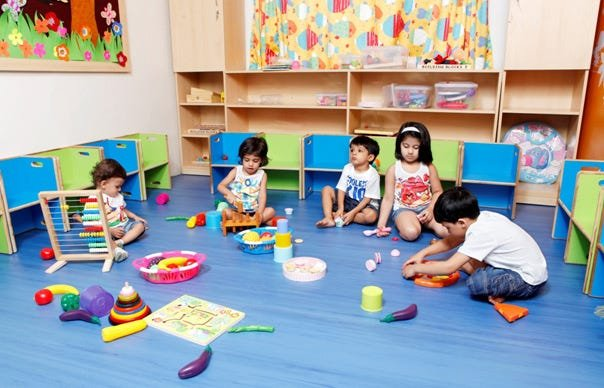
Preschool children are still learning how to interact socially. Creative group activities provide gentle opportunities to practice these skills without pressure. For example, building a block city together teaches negotiation and planning. Singing in groups teaches listening and coordination.
These experiences become the foundation for healthy social relationships later in life. Children who learn cooperation through creative play often adapt better to classroom environments and group learning situations.
Creative Activities in Early Childhood Learning Confidence Through Self-Expression
Creativity gives children a voice. When adults appreciate children’s artwork, stories, or ideas without harsh judgment, children develop confidence in their abilities. This confidence extends beyond creative tasks into academics, friendships, and daily interactions.
Children who feel heard and valued are more likely to participate actively in learning environments. They become comfortable asking questions, exploring ideas, and expressing opinions. This confidence is especially important during early childhood because it shapes how children view themselves as learners.
Supportive preschool environments encourage children to celebrate individuality rather than compare themselves constantly with others. Schools that prioritize creative exploration help children feel capable and emotionally secure. Creative Activities in Early Childhood.
Creativity and Emotional Well-Being
Managing Stress and Emotions Through Art
Creative activities provide healthy emotional outlets for young children. Art, music, and imaginative play help children process feelings they may not fully understand yet. A child who feels anxious or frustrated may release emotions through drawing or movement without needing complicated explanations.
Psychologists often describe creativity as therapeutic because it reduces stress and encourages emotional balance. Preschool classrooms that include creative play frequently observe calmer and happier children. Art and music create comforting routines that help children feel secure.
Children today are exposed to increasing academic pressure and screen time. Creative play provides a necessary balance by allowing children to relax, explore freely, and reconnect with hands-on experiences.
Encouraging Positive Self-Identity
Creative expression also helps children understand who they are. Every painting, story, or pretend game reflects personal thoughts and feelings. When adults encourage creativity without criticism, children learn that their ideas matter.
This positive self-identity strengthens resilience and independence. Children become more willing to try new experiences because they are less afraid of failure. Instead of focusing only on perfection, creativity teaches children to value exploration and effort.
A child who proudly shares a handmade craft or imaginative story develops emotional strength that supports future learning and relationships. Creative Activities in Early Childhood.
How Parents and Preschools Can Encourage Creativity
Simple Creative Activities at Home
Parents do not need expensive toys or complicated programs to encourage creativity. Simple activities often work best. Giving children paper, crayons, recycled materials, music, and storytelling time creates endless opportunities for imagination.
Choosing the Right Preschool Environment
A creative preschool environment can make a huge difference in a child’s development. Parents should look for schools that balance academics with play-based learning. Creative classrooms usually include art corners, music activities, storytelling sessions, and opportunities for free exploration.
Preschools like Kiddonia Preschool understand that young children learn best through engaging experiences. Instead of focusing only on worksheets and memorization, creative preschools encourage curiosity, imagination, and emotional growth alongside academics.
A good preschool nurtures the whole child. Creativity, communication, emotional well-being, and confidence are just as important as letters and numbers during the early years. Creative Activities in Early Childhood.
Conclusion
Creative activities are far more than entertainment for young children. They are essential building blocks for healthy cognitive, emotional, physical, and social development. Through art, music, movement, storytelling, and pretend play, children learn how to think independently, express emotions, communicate effectively, and solve problems confidently Creative Activities in Early Childhood.
Modern research continues to prove that creativity supports long-term success in education and life. Children who experience creative learning environments often become more curious, adaptable, empathetic, and resilient. In a world that increasingly values innovation and emotional intelligence, creativity is no longer optional in early childhood education. It is necessary.
Parents and educators have a shared responsibility to protect and encourage creativity during the preschool years. Simple moments like painting together, singing songs, telling stories, or pretending to run a toy restaurant may seem small today, but they shape confident and capable adults tomorrow.
FAQs
1. Why are creative activities important in preschool?
Creative activities help preschool children develop cognitive, emotional, social, and motor skills. They improve imagination, communication, and problem-solving abilities while making learning enjoyable.
2. What are examples of creative activities for young children?
Examples include drawing, painting, storytelling, singing, dancing, pretend play, clay modeling, puzzles, and building blocks.
3. How does creativity support emotional development?
Creativity allows children to express feelings safely through art, music, and play. It helps them understand emotions, build empathy, and manage stress naturally.
4. Can creative activities improve academic performance?
Yes. Creative experiences strengthen memory, concentration, communication, and critical thinking skills, all of which support academic success later in school.
5. How can parents encourage creativity at home?
Parents can encourage creativity by providing open-ended play opportunities, reading stories, singing songs, creating art together, and allowing children time for imaginative exploration without constant rules or pressure.