Discover how preschool helps children build curiosity, creativity, confidence, communication skills, and emotional growth through interactive early childhood learning experiences. Preschool Encourages Curiosity, Creativity, and Confidence in Early Childhood Curiosity in children
Every parent dreams of seeing their child grow into a confident, creative, and curious individual. The early years of childhood are like fertile soil where lifelong habits, emotional strength, and learning abilities begin to take root. Preschool plays a powerful role in shaping these qualities because it introduces children to the world beyond home in a safe, nurturing, and engaging way. Instead of focusing only on academics, modern preschools encourage children to ask questions, explore their surroundings, solve problems, and express themselves freely. These experiences become the building blocks for future success in school and life.
Table of Contents
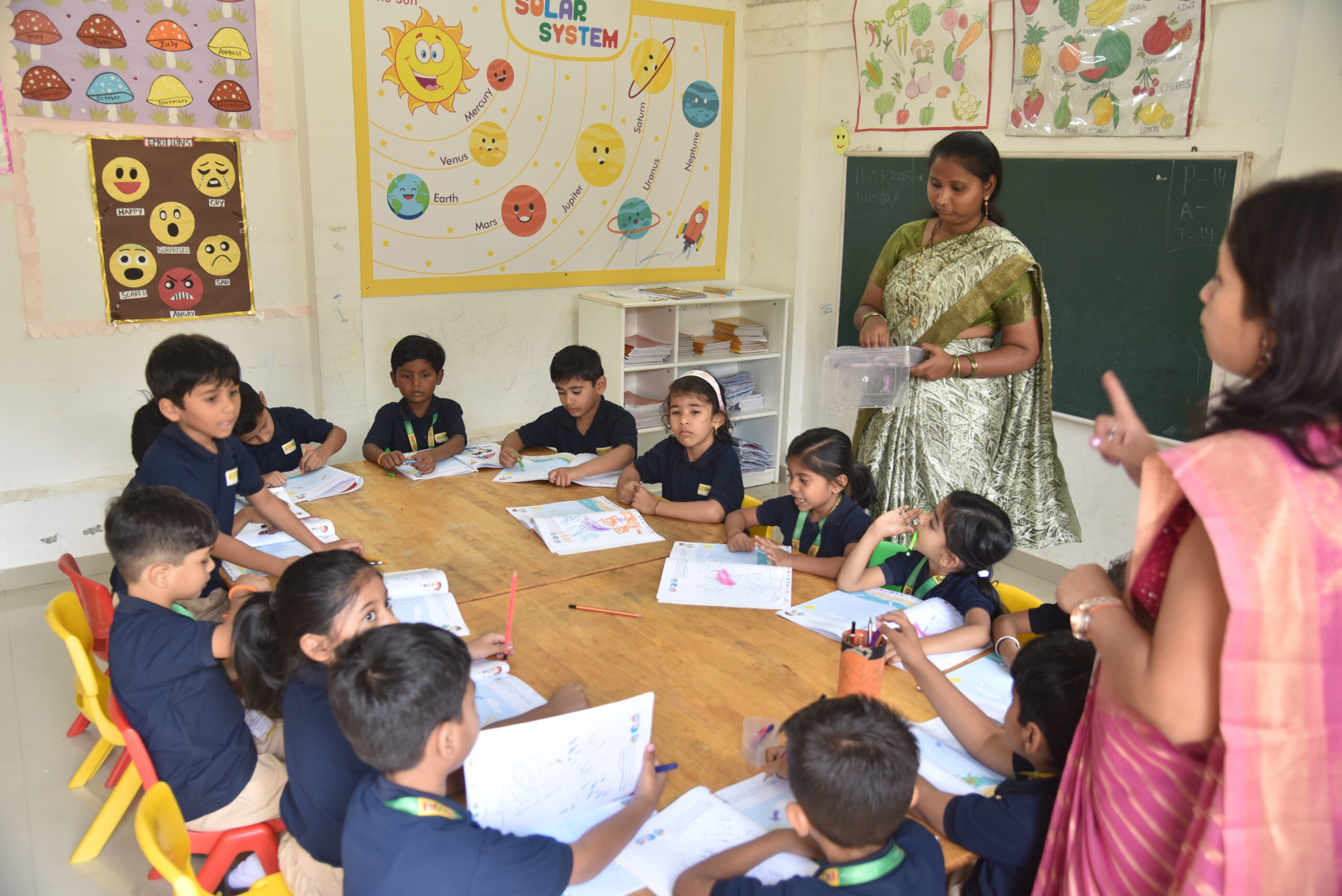
A quality preschool environment helps children discover that learning can be joyful rather than stressful. Through storytelling, role play, music, hands-on activities, outdoor exploration, and group interaction, children naturally become more curious about the world around them. They begin to understand how things work, why people behave differently, and how they can communicate their own ideas. Preschools also help children develop confidence by allowing them to try new things independently. Even simple activities like arranging blocks, singing a rhyme, or participating in a classroom game can make a child feel capable and proud. Parents in Pune who are searching for a nurturing and child-focused learning environment often explore Kiddonia Preschool for its engaging approach toward early childhood education. Located in Wakad, Pune, the preschool focuses on creating a joyful learning atmosphere where children can learn through creativity and exploration. Parents can also connect with the preschool through LinkedIn, Facebook, and YouTube to learn more about its educational philosophy and classroom activities.
Why Early Childhood Education Matters
The preschool years are among the most important stages in human development. According to child development experts, nearly 90% of a child’s brain develops before the age of five. During this period, children absorb information rapidly through observation, interaction, and experiences. Their minds are naturally curious, always searching for answers and new discoveries. This is why early childhood education is not just about teaching alphabets or numbers. It is about nurturing a child’s emotional, social, physical, and intellectual growth in a balanced way.
Children who attend a supportive preschool often develop stronger communication skills and better emotional understanding. They learn how to interact with classmates, follow routines, share toys, and express their feelings respectfully. These small but meaningful lessons shape their personalities over time. Think of preschool as a training ground where children slowly begin to understand the rhythm of the world around them. Every classroom activity, every conversation, and every playful moment contributes to their growth.
Parents often notice remarkable changes in their children after joining preschool. A shy child may start speaking more confidently. A restless child may become more focused during activities. A hesitant child may begin participating actively in group games. These changes happen because preschool gives children opportunities to grow independently while still feeling emotionally supported. A nurturing environment encourages children to step out of their comfort zone without fear of criticism Preschool Encourages Curiosity, Creativity, and Confidence.
The Importance of Brain Development in Preschool Years
Young children learn best through experiences rather than memorization. When children touch objects, experiment with colors, build structures, or engage in sensory activities, their brains form important neural connections. These connections help strengthen memory, creativity, language development, and problem-solving abilities. Preschool activities are carefully designed to stimulate different parts of a child’s brain through playful engagement.
For example, when a child participates in a storytelling session, they are not only listening to words. They are imagining characters, understanding emotions, improving vocabulary, and learning communication patterns simultaneously. Similarly, activities like painting or clay modeling improve hand-eye coordination while encouraging self-expression. These experiences make learning feel natural and exciting instead of forced.
Research in early childhood education also shows that children exposed to interactive and play-based learning environments are more likely to become independent thinkers later in life. Curiosity becomes their driving force because they are encouraged to ask “why” and “how” instead of simply memorizing answers. This mindset becomes valuable throughout their academic journey and beyond.
Building Emotional and Social Foundations
Preschool is often the first place where children begin interacting regularly with people outside their family circle. This transition helps them understand emotions, relationships, empathy, and cooperation. Emotional intelligence is just as important as Kiddonia academic intelligence because it shapes how children manage stress, communicate with others, and solve conflicts.
In preschool, children experience situations that teach patience and understanding. They learn to wait for their turn, listen to classmates, and cooperate during activities. These moments may seem simple to adults, but they play a huge role in emotional growth. Children gradually learn how to express frustration without aggression and happiness without fear.
Teachers also help children identify emotions through conversations and storytelling. A child who understands their own feelings becomes more confident in handling social situations. This emotional stability creates a strong foundation for future learning and relationships. Preschool Encourages Curiosity, Creativity, and Confidence in Early Childhood Curiosity in children.
The Role of Play-Based Learning in Preschool
Children are naturally playful. They learn best when education feels like an adventure instead of a classroom lecture. Play-based learning allows children to explore concepts through activities that spark excitement and curiosity. Whether it is building towers with blocks, pretending to run a grocery store, or experimenting with water and sand, every playful activity contributes to learning.
Play-based learning works because it aligns with how young minds function. Children become deeply engaged when they are emotionally connected to an activity. Unlike rote learning, play allows children to think independently, make decisions, and solve problems creatively. It transforms learning into an enjoyable process rather than a stressful obligation.
At quality preschools, teachers intentionally design activities that combine education with creativity. For instance, counting games help children understand numbers while movement activities improve motor skills. Music and dance sessions strengthen memory and coordination while boosting confidence. Every playful interaction becomes an opportunity for learning.
How Play Sparks Natural Curiosity
Curiosity is the engine of learning. Preschool encourages curiosity by giving children the freedom to explore ideas and experiment without fear of failure. Imagine a child observing insects in a garden or mixing colors during an art activity. Their mind naturally begins asking questions. Why do ants move in lines? What happens when blue and yellow mix together? These questions lead to discovery and understanding.
When teachers encourage questioning instead of giving immediate answers, children develop critical thinking skills. They learn to observe patterns, make predictions, and test ideas. This process strengthens both creativity and intelligence. Curiosity-driven learning also keeps children emotionally engaged because they feel excited about discovering something new.
Children who are encouraged to explore freely often become more confident learners later in life. They view mistakes as part of learning rather than signs of failure. This positive mindset helps them approach future challenges with courage and resilience.
Learning Through Exploration and Discovery
Hands-on exploration creates memorable learning experiences. Children remember lessons better when they actively participate rather than passively listen. Activities like gardening, science experiments, treasure hunts, and sensory play help children understand concepts through direct experience.
For example, planting seeds teaches patience, observation, and responsibility. Children watch plants grow over time and begin understanding nature’s processes. Similarly, water play activities can introduce concepts like floating, sinking, measurement, and texture in an enjoyable way. These experiences stimulate multiple senses, making learning more effective.
Exploration also strengthens independence. When children are trusted to try things on their own, they develop confidence in their abilities. Preschool classrooms that encourage exploration create fearless learners who enjoy experimenting and discovering new ideas.
Encouraging Creativity Through Open-Ended Activities
Creativity is not limited to drawing or painting. It is the ability to think differently, solve problems imaginatively, and express ideas confidently. Preschool helps children develop creativity through open-ended activities where there is no single “correct” answer. Instead of focusing on perfection, children are encouraged to experiment freely.
Open-ended activities are powerful because they allow every child to think uniquely. Give a group of children the same set of building blocks, and each child may create something completely different. One might build a castle while another creates a bridge or a rocket ship. This freedom strengthens imagination and independent thinking.
Creative activities also help children express emotions that they may not yet have the vocabulary to explain. Through art, music, dance, and pretend play, children communicate feelings, dreams, and experiences naturally. These forms of expression boost emotional confidence while strengthening cognitive development.
Art, Music, and Storytelling in Preschool
Art and music activities stimulate imagination while improving concentration and coordination. Whether children are finger painting, singing rhymes, or participating in storytelling sessions, they are developing important life skills. These activities help children understand rhythm, language patterns, emotions, and communication.
Storytelling is especially powerful because it expands imagination and vocabulary simultaneously. Children visualize characters, predict outcomes, and connect emotionally with stories. Teachers often use storytelling to teach values like kindness, honesty, teamwork, and courage in a memorable way.
Music and dance activities also help children feel more confident in expressing themselves publicly. A child who initially hesitates to participate may slowly become comfortable performing songs or actions in front of classmates. These small experiences build self-esteem over time.
Imaginative Play and Problem Solving
Pretend play is one of the most valuable learning experiences in preschool. When children pretend to be doctors, chefs, teachers, or shopkeepers, they explore real-world situations creatively. Role play strengthens communication skills, empathy, decision-making, and problem-solving abilities.
For example, during pretend grocery shopping, children learn counting, social interaction, and negotiation. They also practice language skills while understanding how daily life functions. Imaginative play encourages children to think beyond reality and create their own scenarios, which strengthens cognitive flexibility.
Problem-solving naturally becomes part of creative play. Children learn how to share resources, resolve disagreements, and adjust their ideas when something does not work as expected. These experiences help children become adaptable thinkers who can handle challenges confidently.
Building Confidence Through Positive Experiences
Confidence grows when children feel capable, appreciated, and emotionally secure. Preschool provides countless opportunities for children to experience small successes every day. Whether they complete a puzzle, recite a rhyme, or participate in a group activity, these achievements create a sense of accomplishment.
Teachers play a major role in confidence-building by encouraging effort instead of perfection. Children who feel supported are more willing to try new activities and take healthy risks. They understand that mistakes are part of learning rather than something to fear.
Confidence also grows through independence. Preschool routines encourage children to perform tasks on their own, such as organizing materials, washing hands, or packing bags. These simple responsibilities help children feel more capable and self-reliant.
Celebrating Small Achievements
Young children thrive on positive reinforcement. Simple praise like “You did a great job sharing your toys” or “I love how you solved that puzzle” can significantly impact self-esteem. Preschool teachers understand the importance of recognizing effort and progress rather than comparing children with one another.
Celebrating small achievements motivates children to continue exploring and learning. It creates a positive relationship with education where children feel proud of their efforts. This emotional encouragement becomes especially important during difficult tasks because children develop resilience and persistence.
Children who feel appreciated are also more likely to participate actively in classroom activities. They become less afraid of speaking up, asking questions, and expressing ideas. Over time, this confidence extends beyond preschool into everyday life.
Helping Children Express Themselves Freely
Every child has a unique personality and learning style. Some children express themselves verbally, while others communicate through art, movement, or storytelling. Preschool environments that encourage self-expression help children feel valued and understood.
When children are allowed to share their thoughts freely, they become more comfortable communicating with others. Teachers who listen patiently and respond positively create emotional safety. This supportive atmosphere encourages children to speak confidently and develop strong communication skills.
Children who feel emotionally secure are also more open to learning new things. They become willing to explore unfamiliar situations because they trust that their ideas and feelings matter.
Social Interaction and Communication Skills
Preschool classrooms are vibrant communities where children learn to interact with people from different backgrounds and personalities. These social experiences teach valuable life lessons that cannot be learned through textbooks alone. Children develop empathy, patience, teamwork, and cooperation naturally through everyday interactions.
Communication skills also improve rapidly during preschool years. Through conversations, storytelling, singing, and classroom discussions, children expand their vocabulary and become more confident speakers. Teachers encourage children to express ideas clearly while also learning to listen respectfully.
Making Friends and Learning Teamwork
Friendships formed during preschool help children understand trust, sharing, and emotional connection. Group activities teach children how to work together toward common goals. Whether building a structure with blocks or participating in a classroom game, teamwork becomes an important part of learning.
Children also experience disagreements and conflicts during social interaction. These moments provide opportunities to learn negotiation and emotional management skills. Teachers guide children in resolving conflicts respectfully, helping them develop empathy and understanding.
Developing Language and Listening Skills
Language development happens rapidly during preschool years because children are constantly exposed to conversations and new vocabulary. Story sessions, rhymes, classroom discussions, and interactive games strengthen listening and speaking abilities.
Children who develop strong communication skills early often perform better academically later. They feel more comfortable participating in discussions, asking questions, and expressing ideas confidently. Preschool creates the perfect environment for nurturing these essential skills Curiosity in children.
The Importance of a Safe and Nurturing Environment
Children learn best when they feel emotionally safe. A warm and supportive preschool environment encourages children to explore confidently without fear of criticism or failure. Teachers who provide encouragement and emotional support help children build trust and security.
A nurturing atmosphere also reduces anxiety during the transition from home to school. Children gradually become comfortable participating in activities, interacting with peers, and trying new experiences independently.
Why Kiddonia Preschool Wakad Stands Out
Parents searching for the best preschool in Wakad Pune often look for a place that combines safety, creativity, emotional care, and quality education. Kiddonia Preschool Wakad focuses on creating a joyful and child-friendly learning environment where every child receives personalized attention.
The preschool emphasizes play-based learning, hands-on activities, and interactive experiences that encourage creativity and curiosity. From storytelling sessions and music activities to imaginative play and outdoor exploration, children are given opportunities to learn naturally while enjoying every moment.
Parents can also explore the preschool’s location through Google Maps and stay connected through social media platforms for updates and learning insights.
Conclusion
Preschool is much more than a preparation stage for formal schooling. It is the place where children begin discovering who they are and how the world around them works. Through play-based learning, creative exploration, supportive social interaction, and emotional encouragement, preschool helps children become curious thinkers, confident communicators, and imaginative learners.
A nurturing preschool environment allows children to take risks, ask questions, and express themselves freely without fear. These early experiences shape their attitudes toward learning and influence their emotional growth for years to come. Children who feel encouraged during their early years often develop stronger confidence, better social skills, and greater enthusiasm for education.
For parents looking to provide their child with a strong educational and emotional foundation, choosing the right preschool can make a remarkable difference. A child-centered environment like Kiddonia Preschool helps children grow into independent and joyful learners prepared to face future challenges with confidence and creativity.
FAQs
1. Why is preschool important for child development?
Preschool supports emotional, social, cognitive, and physical development during the most critical years of brain growth. It helps children build confidence, communication skills, and curiosity through interactive learning experiences.
2. How does play-based learning benefit preschool children?
Play-based learning encourages creativity, problem-solving, teamwork, and independent thinking. It helps children learn naturally while staying emotionally engaged and excited about exploration.
3. How does preschool improve confidence in children?
Preschool builds confidence through positive reinforcement, independent activities, group participation, and emotional support from teachers and peers.
4. What activities encourage creativity in preschool?
Activities like storytelling, painting, music, pretend play, dancing, and building games help children develop imagination and creative thinking skills.
5. Why should parents choose a child-centered preschool?
A child-centered preschool focuses on individual growth, emotional well-being, and interactive learning rather than pressure-based academics, helping children enjoy learning while developing important life skills.