
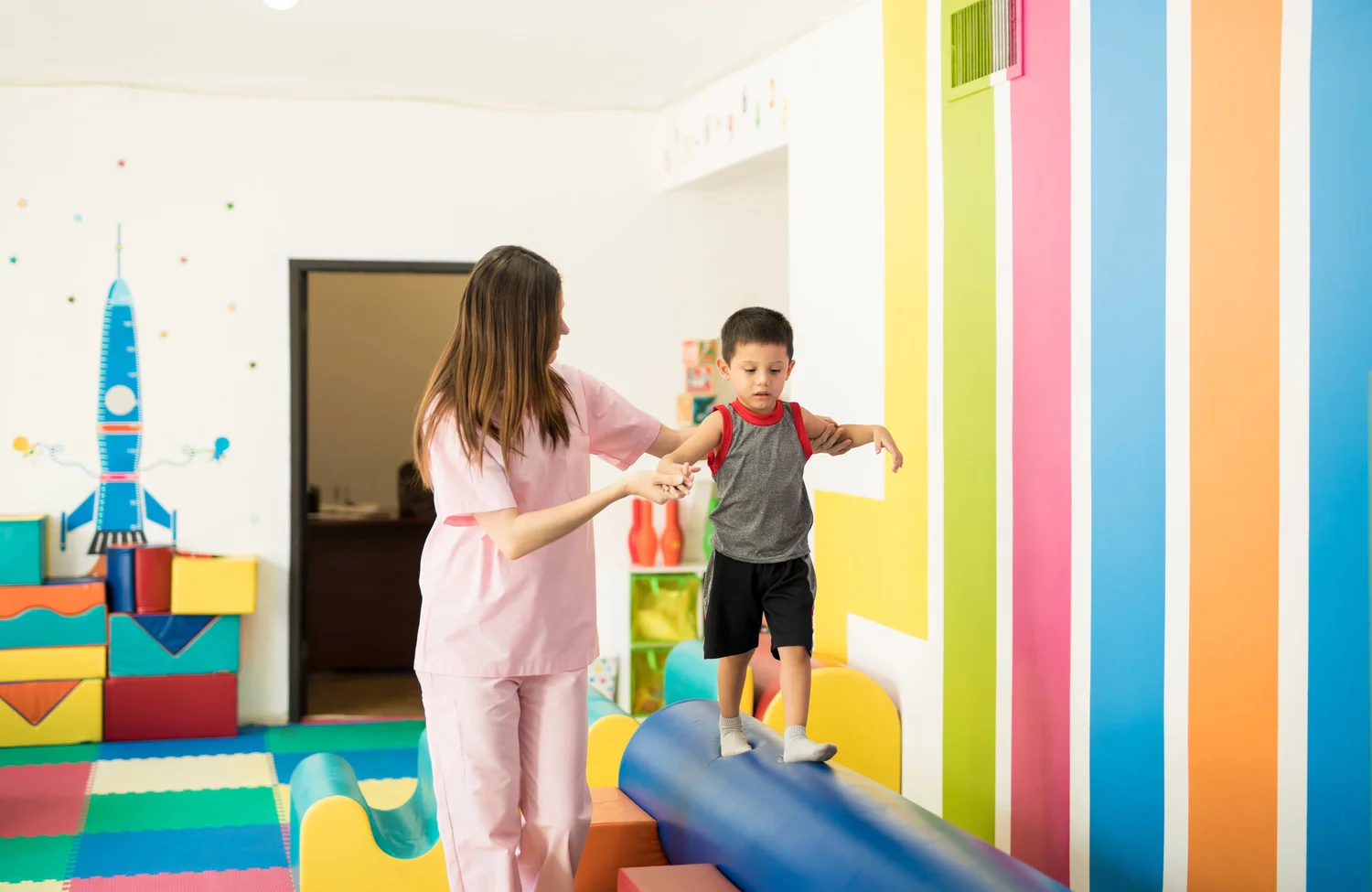
Help your child adjust during the first week of Preschool with practical tips for routines, separation anxiety, drop-offs, communication and emotional support. The first week of preschool can bring a mixture of excitement and uncertainty.
Your child may be excited to carry a new bag one morning and refuse to leave home the next. They may happily enter the classroom on one day and cry when you say goodbye on another.
Table of Contents
For parents, this can be difficult to watch.
But a bumpy beginning does not necessarily mean something is wrong. Starting preschool is a new experience, and children need time to understand the new people, surroundings, routines and expectations.
The goal during the first week of preschool is not to make every morning perfect. It is to help your child gradually feel safe, familiar and confident in their new routine.
A few simple changes at home can make that transition easier.
Why the First Week Can Feel Difficult for Children
Preschool introduces several changes at once.
Your child may suddenly have to:
- Spend time away from parents
- Meet unfamiliar teachers
- Be around a group of children
- Follow a new routine
- Eat or sleep at different times
- Participate in unfamiliar activities
- Adjust to a different environment
Even if your child has previously spent time with relatives or caregivers, preschool can still feel different.
Some children adjust within a few days. Others need several weeks to become fully comfortable.
There is no single “correct” adjustment timeline.
What matters is giving your child consistency and emotional support while they become familiar with the new experience.
1. Talk About Preschool Before the First Day
One of the easiest starting preschool tips is to make preschool part of everyday conversation before the first day.
Keep the conversation simple.
You could say:
“Tomorrow you will go to preschool. Your teacher will be there, and you will have some activities and playtime.”
If possible, talk about specific parts of the routine so the experience feels less unfamiliar.
Avoid giving your child too much information at once. A toddler does not need a detailed explanation of the entire school day.
Short, positive conversations are enough.
2. Visit the Preschool Before the First Day
If the preschool allows it, visiting before admission can help your child become familiar with the environment.
During the visit, point out simple things:
“This is your classroom.”
“This is where you can keep your bag.”
“This is where you will meet your teacher.”
If your child is comfortable, let them explore the surroundings.
The purpose is not to force interaction. It is simply to reduce the number of completely new things your child encounters on the first day.
3. Practise Short Separations at Home
For some children, the hardest part of preschool is saying goodbye.
If your child is used to having a parent nearby all the time, you can gradually practise short separations before preschool starts.
For example, your child could spend some time with a trusted family member while you step away.
Start with a short period and gradually increase it if your child is comfortable.
The important part is consistency.
Your child learns that:
Parent leaves → child stays safe → parent comes back.
This understanding can make the preschool transition easier.
4. Keep the Morning Routine Simple
The first morning does not need to be rushed.
Prepare as much as possible the night before.
Keep the bag, clothes, shoes and other essentials ready.
In the morning, follow a familiar sequence:
Wake up → get dressed → eat breakfast → brush teeth → get ready → leave.
A predictable routine can help children understand what happens next.
Try to avoid introducing unnecessary changes during the first week.
If your child normally wakes up at a particular time, suddenly changing their sleep schedule can make an already unfamiliar day feel even harder.
5. Don’t Sneak Away Without Saying Goodbye
When a child starts crying, parents sometimes think leaving quietly will make things easier.
Usually, it can create more uncertainty.
Your child may begin wondering whether you could disappear without warning.
Instead, create a short and consistent goodbye routine.
For example:
“I am going now. You are safe with your teacher. I will come back after preschool.”
Give a hug, say goodbye and leave calmly.
A goodbye does not need to be long.
In fact, repeatedly extending the goodbye can sometimes make the separation more difficult for both parent and child.
6. Expect Some Tears
Crying during the first few days does not automatically mean your child is having a bad experience.
Crying can be a child’s way of communicating:
“I don’t know this place yet.”
“I want my parent.”
“This feels different.”
Instead of focusing only on whether your child cried, look at the bigger picture.
Are they gradually becoming comfortable with the teacher?
Are they exploring the classroom?
Are they participating in activities?
Are they talking about school at home?
Small changes can be signs that your child is adjusting.
7. Avoid Asking Too Many Questions After School
When your child comes home, you may naturally want to know everything.
“Did you play?”
“What did your teacher teach?”
“Did you make friends?”
But young children may not always have the words or interest to explain their entire day.
Instead, try simple questions:
“What was fun today?”
“Did you play with blocks?”
“What did you eat?”
You can also simply talk about your own day and allow your child to join the conversation naturally.
Sometimes children reveal more about preschool during play than through direct questions.
8. Let Your Child Take Their Time
Children adjust at different speeds.
One child may walk into the classroom confidently on day one. Another may hold their parent’s hand tightly for several days.
Avoid saying:
“Look, everyone else is going inside.”
Or:
“Why are you scared? There is nothing to worry about.”
Even when you are trying to encourage your child, these comments can make them feel that their emotions are wrong.
Instead, acknowledge the feeling while remaining confident:
“I know this feels new. Your teacher will help you. I will come back after school.”
This gives your child reassurance without making the fear bigger.
9. Keep Home Life Calm During the Transition
The first week already involves a lot of change.
Try to keep other routines relatively stable.
Regular meals, adequate sleep, familiar playtime and quiet family time can provide a sense of security.
Your child may also be more tired than usual after preschool.
That is understandable.
A new environment involves a lot of listening, movement, social interaction and emotional adjustment.
If your child needs more quiet time after school, give them that space.
10. Give Your Child Small Choices
Toddlers often feel better when they have some control over small parts of their routine.
Instead of asking:
“Are you going to preschool?”
which makes the decision sound optional, offer choices around the routine.
For example:
“Do you want the blue bottle or the green bottle?”
“Do you want to wear these shoes or those shoes?”
The preschool decision remains clear, but your child gets some independence within the routine.
Small choices can reduce unnecessary resistance.
11. Create a Familiar Goodbye Ritual
A simple goodbye ritual can become something your child looks forward to.
It could be:
- One hug
- One kiss
- A high-five
- A special phrase
- Waving from the gate
Keep it consistent.
Over time, the ritual itself can become a familiar signal that the parent is leaving but will return later.
The routine does not need to be complicated.
Consistency matters more than creativity.
12. Stay Connected With the Teacher
Teachers can provide valuable information about how your child behaves after the parent leaves.
A child who cries at the door may calm down a few minutes later and begin playing.
Another child may remain quiet and need more encouragement to participate.
Parents should therefore communicate with teachers rather than judging the entire experience from the drop-off moment alone.
Ask practical questions such as:
- How did my child settle after I left?
- Did they participate in any activity?
- Did they interact with other children?
- Did they eat or drink comfortably?
- Were there any particular situations that upset them?
This gives you a clearer picture of your child’s adjustment.
What If My Child Continues to Struggle?
Some children need more time than others.
However, if you have ongoing concerns about communication, social interaction, emotional regulation, behaviour or other aspects of development, it is worth discussing your observations with your child’s paediatrician or a qualified child development professional.
Parents can also explore appropriate support options such as child developmental therapy when developmental concerns require more focused guidance.
The purpose is not to assume that every preschool adjustment problem is a developmental issue.
It is simply about understanding your child’s individual needs when concerns persist.
A Simple First-Week Routine for Parents
Here’s a practical way to approach the first week:
Before preschool
- Prepare clothes and the school bag the night before.
- Make sure your child gets enough sleep.
- Keep breakfast simple and familiar.
- Leave home with enough time.
- Talk positively but realistically about preschool.
At drop-off
- Keep your goodbye calm and brief.
- Reassure your child.
- Avoid repeatedly returning after saying goodbye.
- Trust the teacher to help your child settle.
After preschool
- Give your child time to relax.
- Offer food and water.
- Avoid asking too many questions.
- Listen if your child wants to talk.
- Keep the evening routine familiar.
At bedtime
- Maintain a predictable bedtime.
- Talk about something enjoyable from the day.
- Avoid making tomorrow sound like a punishment.
What Parents Should Avoid During the First Week
A few common reactions can unintentionally make the transition harder.
Don’t threaten preschool
Avoid statements such as:
“If you don’t behave, I will send you to school.”
Preschool should not become associated with punishment.
Don’t compare your child
Every child’s adjustment period is different.
Don’t make promises you cannot keep
Avoid saying:
“I will stay outside the classroom all day.”
if that is not actually possible.
Don’t make the goodbye too emotional
Your child can pick up on your anxiety.
Try to stay calm even when you feel emotional inside.
Don’t expect immediate friendship
Building relationships takes time.
Your child may spend the first few days observing rather than actively playing with other children.
The First Week Is About Building Familiarity
The first week of preschool is not about proving that your child is ready.
It is about helping them understand a new routine.
There may be tears. There may be days when everything goes smoothly and days when your child suddenly says, “I don’t want to go.”
That is part of the transition for many families.
Keep the routine predictable, make goodbyes calm, listen to your child and stay connected with their teacher. Most importantly, give your child time to become familiar with their new environment.
For parents considering Best Kiddonia Preschool and daycare centres Wakad in Pune, looking at how a preschool handles the transition can be just as important as looking at activities, timings and facilities.
A supportive start does not mean there will never be tears. It means the child has patient adults around them who understand that adjustment takes time.
The first week is only the beginning. With consistency, reassurance and a little patience, an unfamiliar classroom can gradually become a place where your child feels comfortable, curious and ready to learn.
Frequently Asked Questions
How long does it take a child to adjust to preschool?
There is no fixed timeline. Some children settle quickly, while others need more time. Consistent routines, supportive teachers and calm parental responses can help.
Is it normal for a child to cry during the first week of preschool?
Yes. Crying can be a normal response to separation and a new environment. Look for gradual signs of comfort and participation rather than expecting immediate adjustment.
Should parents stay with their child during preschool?
This depends on the preschool’s transition policy. Some programmes may use a gradual approach, while others have parents leave after a short goodbye.
What should I say when my child refuses to go to preschool?
Acknowledge their feelings without making preschool optional. You might say, “I know you don’t feel like going today. It is okay to feel that way. Your teacher will be there, and I will come back after school.”
Should I ask my child about preschool every day?
You can ask, but avoid turning it into an interview. Simple questions and casual conversations often work better with young children.
What if my child is still struggling after several weeks?
Speak with the teacher first to understand what happens during the school day. If concerns continue, discuss them with your child’s paediatrician or an appropriate child development professional.