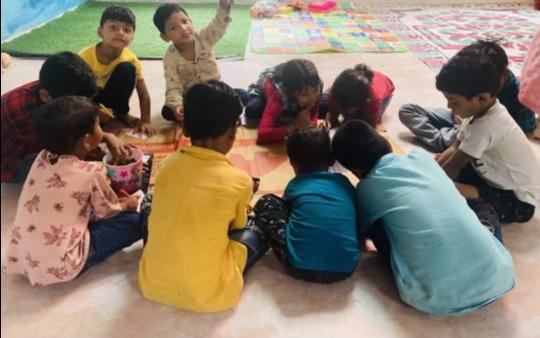
Your child starts learning from a young age. A good preschool is where this journey begins. At Kiddonia Preschool, we make sure our students have fun while they learn. This helps them become confident and develop communication skills. We are located in Wakad Pune.
Many parents are worried about their child. They want to know if their child will be confident and ready for school. A preschool like ours helps children become independent and strong. We do this through games and group activities that are fun and educational.
Features:
We have a lot of things to offer at Kiddonia Preschool. These include:
- classrooms that are safe and fun for kids
- learning through activities
- games and stories that spark creativity
- help with developing communication skills
- teachers who care and give each child attention
- a fun place to learn
We offer many programs for your child. These are:
- programs for young kids
- classes for nursery age kids
- classes for older kids
- activities to help with development
- sessions for art, music and creative learning
When a child is confident they do better in school and in life. Going to preschool helps build strength and improves social skills. This is important for doing in the future. Preschool education is very important for your child. It helps them become confident and strong.
If you are looking for a preschool in Wakad, Pune we can help. Kiddonia Preschool is a place for your child to start their education. Come visit us and see what we have to offer. We are excited to meet you and your child.
#PreschoolInWakad #BestPreschoolPune #PlaySchoolWakad #EarlyLearning #ChildDevelopment #KidsEducation #WakadPune #KiddoniaPreschool
How Preschool Shapes Your Child’s Future and Confidence
Parents often wonder whether preschool is really necessary for a child’s development. Some believe children can simply learn everything once formal schooling begins. But the truth is, preschool plays a far bigger role than many people realize. It is not just about learning alphabets, rhymes, or coloring books. Preschool becomes the first real bridge between home and the outside world. It introduces children to routines, friendships, communication, independence, and emotional growth at an age when their brains absorb experiences like a sponge soaking up water.
For many families exploring quality early education options, Kiddonia Preschool focuses on creating a nurturing environment where children can learn through creativity, exploration, and structured play. A supportive preschool environment can completely transform the way a child approaches learning and life.
Why Early Childhood Education Matters
The early years of a child’s life are filled with rapid learning and emotional development. Every interaction, sound, activity, and experience helps shape the way children think and behave in the future. Preschool becomes the environment where this growth is carefully guided in a meaningful way. Children begin understanding the basics of communication, social interaction, emotional expression, and structured learning long before they enter primary school. These experiences become stepping stones that help them adapt more confidently to academic life later.
Many parents think preschool is simply a place where children stay busy while adults work, but the reality is much deeper. Quality preschool education creates an atmosphere where curiosity is encouraged rather than controlled. A child who asks endless questions is not seen as disruptive but as someone eager to learn. That small difference changes everything. Children become more willing to participate, share opinions, and try new activities without fear of failure. This is exactly how confidence begins to grow naturally.
Research from early education experts also shows that children who attend preschool often develop stronger literacy and numeracy skills compared to those who do not. They tend to perform better academically during elementary school because they already understand routines, listening skills, and classroom interaction. Preschool introduces children to a learning culture in a fun and engaging manner instead of forcing formal education too early.
Brain Development During Early Years
The human brain develops faster during the first five years than at any other stage of life. Imagine planting a tree. The healthier the roots are during the beginning, the stronger the tree becomes later. Preschool strengthens those roots by stimulating creativity, curiosity, memory, and social interaction every single day. Activities like storytelling, puzzles, singing, and group games activate multiple parts of the brain simultaneously, helping children develop cognitive flexibility.
Children at this age are naturally curious. They observe everything around them and constantly experiment with their environment. Preschool channels that curiosity into meaningful learning experiences. Instead of memorizing facts mechanically, children learn by touching, seeing, hearing, and doing. This hands-on learning process helps them retain information more effectively and enjoy learning instead of fearing it.
The Importance of Structured Learning
Children thrive when there is balance between freedom and structure. Preschool introduces routines that help children understand discipline without making learning stressful. Activities happen at scheduled times, children learn to follow instructions, and they gradually understand responsibility. These small routines may seem simple, but they create habits that benefit children throughout their lives.
Structured learning also improves focus and attention span. A child who learns how to sit during story time, wait for their turn, and participate in activities becomes more prepared for formal education later. Preschool helps children transition from a home-centered environment to a social learning environment smoothly and positively.
Building Confidence Through Preschool
Confidence does not suddenly appear when a child becomes older. It develops slowly through positive experiences, encouragement, and independence. Preschool gives children countless opportunities to feel capable and successful. Whether it is completing an art project, answering a teacher’s question, or making a new friend, every achievement contributes to self-esteem.
One of the biggest transformations parents notice after preschool is increased independence. Children begin doing small tasks on their own like organizing toys, washing hands, carrying bags, or choosing activities independently. These simple moments teach children that they are capable individuals. When children feel trusted, they become more willing to explore and try new things without hesitation.
Teachers also play an important role in nurturing confidence. Encouragement and positive reinforcement help children feel valued and safe. Instead of criticizing mistakes harshly, good preschool educators guide children gently and celebrate progress. This creates an environment where children are not afraid to learn through trial and error.
Encouraging Independence
Preschool helps children become more self-reliant in everyday life. At home, parents often complete tasks quickly for convenience, but preschool encourages children to participate actively. Children learn responsibility through daily routines such as packing materials, arranging belongings, and participating in cleanup activities.
This independence builds problem-solving skills naturally. For example, when children work together to build blocks or solve puzzles, they learn patience, cooperation, and creative thinking. They begin understanding that challenges can be solved step by step. These experiences create resilient children who are less likely to give up easily later in life.
Positive Reinforcement and Emotional Growth
Children blossom when they feel emotionally secure. Preschool environments that celebrate effort rather than perfection help children build healthy emotional confidence. Teachers who acknowledge a child’s creativity, kindness, or participation make children feel important and capable.
Positive reinforcement also teaches children emotional resilience. A child who learns that mistakes are part of learning becomes less anxious about trying new things. This emotional security influences future academic performance, friendships, and communication skills significantly.
Social Skills Children Learn in Preschool
One of the most valuable benefits of preschool is social development. For many children, preschool becomes the first place where they regularly interact with peers outside the family. Learning how to communicate, share, cooperate, and resolve conflicts becomes an essential part of daily life.
Social interaction teaches children emotional intelligence. They begin understanding that other children have feelings, opinions, and preferences too. This develops empathy and patience gradually. Children learn how to express emotions appropriately instead of reacting impulsively.
The classroom environment also teaches teamwork. Activities like group storytelling, games, and collaborative art projects encourage children to work together toward common goals. These experiences build leadership and cooperation skills that remain valuable even during adulthood.
Making Friends and Teamwork
Friendships formed during preschool teach children trust, sharing, and emotional bonding. Learning how to make friends gives children a sense of belonging and emotional security. They begin understanding cooperation instead of only individual play.
Teamwork activities also strengthen communication skills. Whether children are building something together or participating in music sessions, they learn how to contribute and collaborate respectfully. These experiences help children become socially adaptable and emotionally balanced.
Learning Communication and Empathy
Preschool encourages children to communicate openly. Teachers motivate children to express ideas, ask questions, and share feelings. This constant interaction expands vocabulary and improves verbal confidence significantly.
Empathy develops naturally through group experiences. When children comfort a crying classmate or celebrate another child’s success, they begin understanding compassion. These lessons are often more powerful than formal teaching because children learn through real emotional experiences.
Preschool and Cognitive Development
Cognitive development refers to how children think, learn, remember, and solve problems. Preschool activities are specifically designed to stimulate these mental abilities in engaging ways. Children are introduced to shapes, numbers, letters, patterns, sounds, and storytelling through creative methods that feel enjoyable rather than academic pressure.
Language development is especially important during preschool years. Conversations with teachers and classmates expose children to new words and expressions every day. Storytelling sessions improve listening comprehension and imagination simultaneously. Over time, children become more confident speakers and communicators.
Preschool also encourages logical thinking through puzzles, sorting games, matching activities, and simple experiments. These activities strengthen memory and analytical thinking while making learning fun.
Language and Vocabulary Growth
Children absorb language rapidly during early childhood. Preschool environments expose them to constant conversation, storytelling, songs, and interactive communication. This daily exposure significantly improves vocabulary and pronunciation.
Children also become better listeners. They learn to follow instructions, respond thoughtfully, and participate in conversations. Strong communication skills developed during preschool often translate into better academic performance later.
Early Problem-Solving Abilities
Problem-solving skills begin developing much earlier than many parents realize. Preschool activities encourage children to think independently and explore solutions creatively. Whether figuring out how to complete a puzzle or deciding how to share toys fairly, children constantly practice decision-making.
These experiences help children develop confidence in handling challenges. Instead of becoming frustrated quickly, they begin approaching problems with curiosity and persistence.
The Role of Play-Based Learning
Children learn best when they are actively engaged and emotionally interested. Play-based learning transforms education into an enjoyable experience rather than a stressful obligation. Through imaginative play, storytelling, games, music, and creative activities, children absorb concepts naturally.
Play stimulates both cognitive and emotional development. Building blocks improve coordination and spatial awareness, while pretend play encourages creativity and communication. Music and dance activities strengthen memory and rhythm while also improving physical coordination.
Preschool classrooms that prioritize play-based learning create enthusiastic learners who associate education with excitement rather than pressure.
Creative Activities That Inspire Learning
Art, crafts, storytelling, and imaginative games encourage children to express themselves freely. Creative activities allow children to explore emotions, ideas, and imagination without fear of judgment.
These experiences also improve focus and patience. Completing creative projects teaches children concentration while boosting self-esteem through achievement and self-expression.
Physical Activities and Motor Skills
Physical development is another important aspect of preschool education. Running, jumping, climbing, dancing, and outdoor games strengthen gross motor skills while activities like drawing and cutting improve fine motor skills.
Healthy physical activity also supports emotional well-being and concentration. Children who stay active often become more attentive and energetic learners.
Emotional Development in Preschool
Emotional growth is one of the most overlooked yet powerful benefits of preschool education. Young children experience strong emotions but often do not know how to express or manage them effectively. Preschool provides a safe environment where children gradually learn emotional regulation, patience, empathy, and self-control.
Teachers guide children through emotional situations calmly and constructively. Whether a child feels upset about sharing toys or nervous about trying something new, supportive guidance helps children understand their feelings instead of suppressing them.
Children also learn resilience. They realize setbacks are temporary and mistakes are opportunities to learn rather than reasons to feel ashamed.
Handling Emotions in Healthy Ways
Preschool helps children identify and communicate emotions appropriately. Instead of crying or reacting aggressively, children learn to express feelings using words and positive behavior.
This emotional awareness becomes valuable throughout life. Emotionally intelligent children often build healthier relationships and adapt more effectively to challenges later in school and adulthood.
Developing Patience and Discipline
Patience is not something children automatically understand. Preschool introduces waiting turns, following schedules, and respecting classroom rules gradually. These experiences teach self-control in a gentle and supportive way.
Discipline learned in preschool is not about punishment. It is about helping children understand boundaries, respect others, and manage responsibilities independently.
How Preschool Prepares Children for School
The transition to formal schooling becomes much smoother for children who attend preschool. They already understand classroom routines, communication expectations, and group learning environments. This familiarity reduces anxiety and helps children adapt more confidently.
Academic readiness also improves significantly. Preschool introduces basic literacy, numeracy, and comprehension skills in engaging ways. Children become comfortable with books, storytelling, counting, shapes, and patterns before entering primary school.
Parents often notice preschool children becoming more curious about learning. They ask more questions, show excitement about discovering new things, and participate actively during educational activities.
Creating Learning Routines
Consistent routines help children feel secure and organized. Preschool schedules teach children how to manage transitions between activities, focus on tasks, and follow instructions independently.
These habits support future academic success because children become more prepared for structured classroom environments.
Building Academic Readiness
Preschool does not aim to pressure children academically. Instead, it introduces foundational skills naturally through interactive activities. Children develop pre-reading, writing, and mathematical understanding while enjoying the process.
This positive association with learning often leads to stronger long-term educational motivation.
Parent and Teacher Partnership
A child’s development becomes strongest when parents and teachers work together. Preschool creates opportunities for meaningful communication between families and educators. Teachers can share observations about a child’s strengths, interests, and areas needing support, while parents provide insight into the child’s personality and home environment.
This partnership ensures consistency in guidance and emotional support. Children feel more secure when they experience cooperation between home and school environments.
Why Communication Matters
Regular communication helps identify developmental progress early. Parents gain better understanding of their child’s learning style and emotional growth while teachers can provide personalized support more effectively.
Strong parent-teacher relationships create a positive learning environment where children feel encouraged both at home and in school.
Choosing the Right Preschool
Selecting the right preschool is one of the most important decisions parents make during early childhood. A nurturing environment with experienced educators can shape a child’s confidence, learning attitude, and emotional well-being significantly.
Parents should look for preschools that prioritize safety, creativity, emotional support, and play-based learning. Smaller class sizes, interactive activities, clean facilities, and caring teachers often create better learning experiences for young children.
A preschool should feel welcoming and positive. When children feel happy and emotionally secure, learning happens naturally and effectively.
Conclusion
Preschool is far more than an early education center. It becomes the place where children discover independence, confidence, friendships, creativity, and emotional strength for the very first time. The lessons learned during these early years extend far beyond academics. They shape communication skills, resilience, curiosity, empathy, and self-belief that continue influencing children throughout life.
A supportive preschool environment gives children the courage to explore the world confidently. It teaches them that learning can be joyful, mistakes are part of growth, and relationships matter deeply. Parents who invest in quality preschool education are not simply preparing children for school. They are preparing them for life itself.
FAQs
1. At what age should a child start preschool?
Most children start preschool between the ages of 2.5 and 4 years, depending on emotional readiness and family preferences.
2. How does preschool improve confidence in children?
Preschool encourages independence, social interaction, and positive reinforcement, helping children feel capable and secure.
3. Is play-based learning effective for preschoolers?
Yes, play-based learning improves creativity, communication, problem-solving, and emotional development while making education enjoyable.
4. What social skills do children learn in preschool?
Children learn sharing, teamwork, empathy, communication, patience, and conflict resolution through daily interaction with peers.
5. Why is preschool important for future academic success?
Preschool builds foundational literacy, numeracy, focus, communication, and learning habits that prepare children for formal education.